






























Expanding Access to Nuclear Medicine: IAEA’s Strategic Workshop for the Asia-Pacific Region
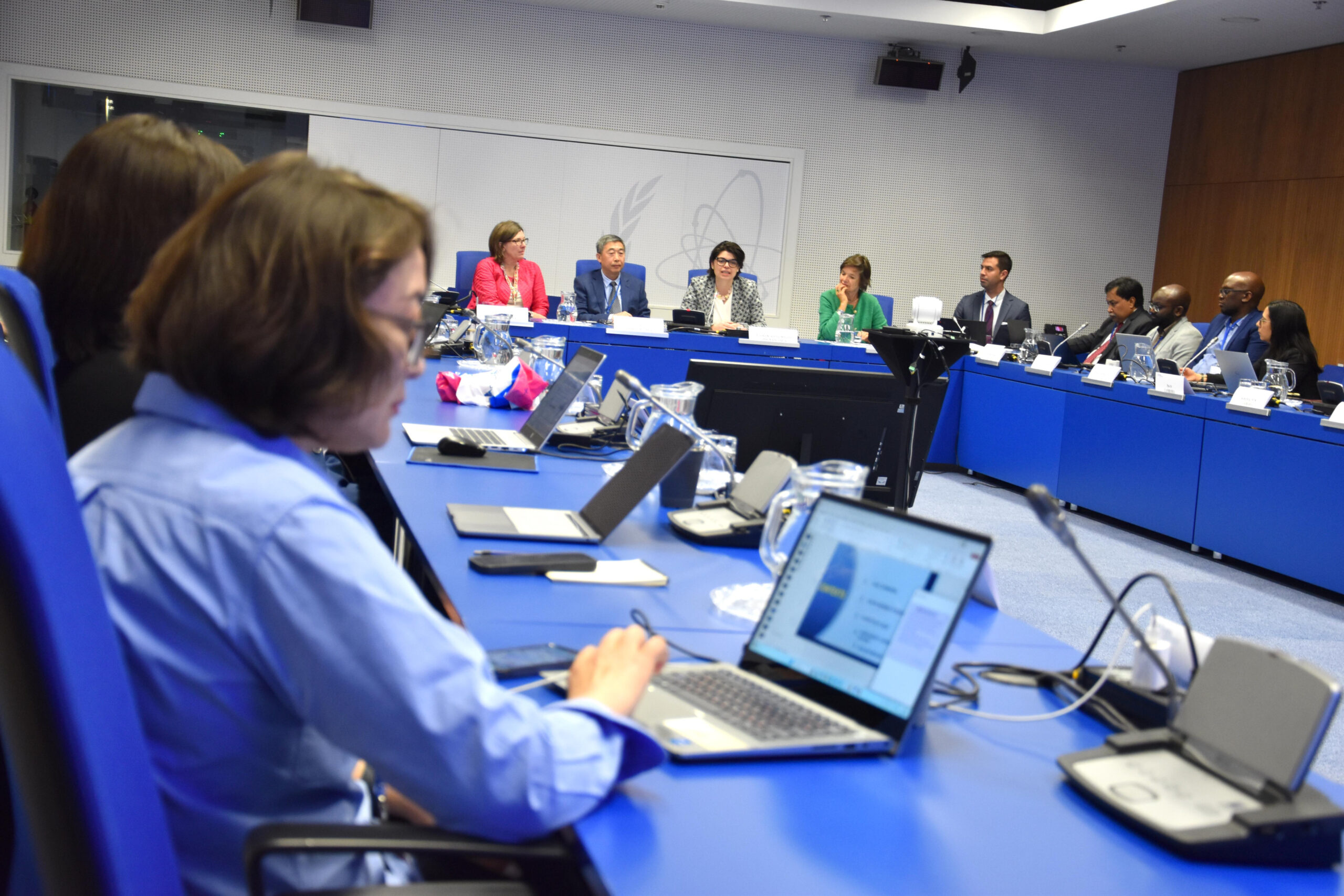
The International Atomic Energy Agency (IAEA) recently organized a significant workshop aimed at enhancing the capabilities of countries in the Asia-Pacific region in terms of nuclear medicine and radiotherapy. These services are crucial for addressing the escalating challenge posed by cancer on a global scale. The workshop took place from May 12 to 16, 2025, at the IAEA Headquarters in Vienna, Austria, drawing together multidisciplinary teams from Cambodia, Lebanon, Mongolia, and Nepal. Attendees included representatives from health and finance ministries, cancer institutes, and infrastructure authorities, all striving to strengthen their countries’ healthcare frameworks.
The Growing Need for Advanced Cancer Detection and Treatment
The IAEA’s initiative comes in response to a projected rise in new cancer cases, expected to reach 32.6 million by 2035. This alarming statistic highlights the urgent need for countries to advance their nuclear medicine services, which are pivotal for early cancer detection and effective treatment. Technologies such as Positron Emission Tomography (PET) scans, which provide detailed images of organ and tissue function, are instrumental in this effort.
However, while radiotherapy can be a cost-effective treatment option over time, the initial setup costs can be a significant hurdle, particularly for low- and middle-income countries. To address this, the IAEA is assisting these nations in developing "bankable documents." These documents serve as strategic funding proposals that translate clinical needs into terms that are understandable and actionable for ministries of finance, development finance institutions, and private sector investors. The ultimate aim is to unlock funding for the expansion of these critical health services.
Lebanon’s Struggle and Strategic Planning
During the workshop, Hicham Ismail Fawaz, Chief of the Department of Hospitals and Dispensaries at Lebanon’s Ministry of Public Health, shared insights into Lebanon’s current challenges. The country is dealing with multiple crises, compounded by high cancer rates. The public health system has seen a 40% increase in demand for radiotherapy services, as many individuals can no longer afford private healthcare. Fawaz emphasized the importance of a well-prepared funding document to secure support from multiple donors, thereby expanding radiotherapy capabilities in public hospitals.
Methodology and Collaborative Efforts
The workshop utilized the IAEA’s methodology to craft investment-ready, country-specific proposals. These proposals integrate clinical justification, technical design, workforce planning, radiation safety measures, cost modeling, digital health integration, and sustainability safeguards into a single, coherent package.
Lisa Stevens, Director of the IAEA’s Programme of Action for Cancer Therapy, highlighted the widespread impact of the IAEA’s support, noting that more than 40 countries have benefited from assistance in developing these documents. The "Rays of Hope" initiative, in particular, has seen increased requests from countries seeking guidance and support in creating sustainable cancer care solutions.
Advantages of Bankable Documents
A bankable document provides several key advantages:
- Credibility: These documents adhere to IAEA safety standards and international cost norms, instilling confidence in ministries of finance and external lenders regarding their projections.
- Efficiency: By combining technical, regulatory, and financial data, these documents streamline inter-ministerial approvals and accelerate tendering and construction timelines.
- Sustainability: Embedded training plans, preventive maintenance schedules, and phased funding strategies ensure long-term service delivery and maximize patient impact.
Comprehensive Training and Development
Over the five-day workshop, national teams collaborated with IAEA experts specializing in human health, radiation safety, and related fields. Discussions covered a wide range of topics, including cancer burden mapping, equipment procurement, facility layout and shielding, PET isotope production, routine maintenance, supply chain resilience, and the use of telemedicine platforms for treatment planning.
Financial sessions equipped teams with the knowledge to forecast operating costs, quantify savings from reduced overseas referrals, and demonstrate long-term affordability. Additionally, risk management discussions focused on regulatory, supply, and human resource uncertainties, ensuring that proposals remain robust under various scenarios.
Kanchan Adhikari from Nepal’s National Academy of Medical Sciences, Bir Hospital, remarked on the framework’s effectiveness, stating, "This framework gives us a single, persuasive narrative—from patient numbers to pay-back period. It equips our health and finance ministries to move forward together on expanding radiotherapy and introducing PET/CT."
Moving Forward with Strategic Planning
By the end of the workshop, each national team had developed an advanced draft of their funding document. These drafts will be further refined with IAEA support in the coming weeks, paving the way for resource mobilization and implementation.
May Abdel-Wahab, Director of the IAEA Division of Human Health, underscored the effectiveness of these draft documents in unlocking development financing. She highlighted their technical soundness, appropriateness, and feasibility, attributing these qualities to the IAEA’s decades-long experience and human health guidance. Abdel-Wahab emphasized that through the safe and effective use of nuclear technologies, the availability and quality of cancer care can be expanded, leading to equitable access for all.
In conclusion, the IAEA’s workshop marks a significant step forward in empowering countries within the Asia-Pacific region to enhance their nuclear medicine and radiotherapy capabilities. By fostering collaboration and providing strategic guidance, the IAEA is helping these nations address the growing burden of cancer and improve healthcare outcomes for their populations.
For more detailed insights, please visit the official IAEA website: IAEA Services.
For more Information, Refer to this article.







