Advancements in Cambodia’s Healthcare: A New Era for Medical Technology and Cancer Treatment
In a significant stride towards enhancing its healthcare infrastructure, Cambodia has embarked on two pivotal projects aimed at modernizing medical technology and broadening access to specialized healthcare services. These initiatives, which commenced in 2024, are poised to revolutionize the country’s capabilities in medical diagnostics and cancer treatment, marking a new chapter in Cambodia’s healthcare narrative.
The Cyclotron Medical Centre: A Leap in Nuclear Medicine
The first of these transformative projects is the construction of the Cyclotron Medical Centre at Calmette Hospital, located in the heart of Phnom Penh. This facility is a cornerstone of Cambodia’s long-term strategy to modernize its medical technology and achieve greater self-sufficiency in nuclear medicine. By enabling the local production of radioisotopes, the centre is set to significantly enhance access to advanced diagnostic imaging for patients throughout the nation. This development is crucial, as it will allow for more timely and precise diagnoses, thereby improving patient outcomes.
Radioisotopes are critical in the field of nuclear medicine, used primarily for diagnostic imaging techniques such as PET scans, which help in detecting diseases at an early stage. The ability to produce these isotopes locally will not only reduce dependency on imports but also cut down on costs and logistical challenges associated with their transportation, given their short half-life.
The International Atomic Energy Agency (IAEA) has played an instrumental role in this project. With their health specialists providing expertise and guidance, the project aligns with international standards and best practices in nuclear medicine. The collaboration with the IAEA ensures that Cambodia is not only adopting state-of-the-art technology but also adhering to the highest safety protocols in the handling and application of radioactive materials.
Luang Me: From Maternity to Cancer Treatment
The second project involves the transformation of Luang Me, once a maternity hospital, into a specialized cancer treatment centre. Located just outside Phnom Penh, this facility is designed to offer comprehensive cancer treatment services, aiming to cater to the growing demand for such services in the region. With an addition of 300 beds, the center is expected to alleviate the burden on Calmette Hospital, reducing waiting times for patients and expanding access for those from regional areas.
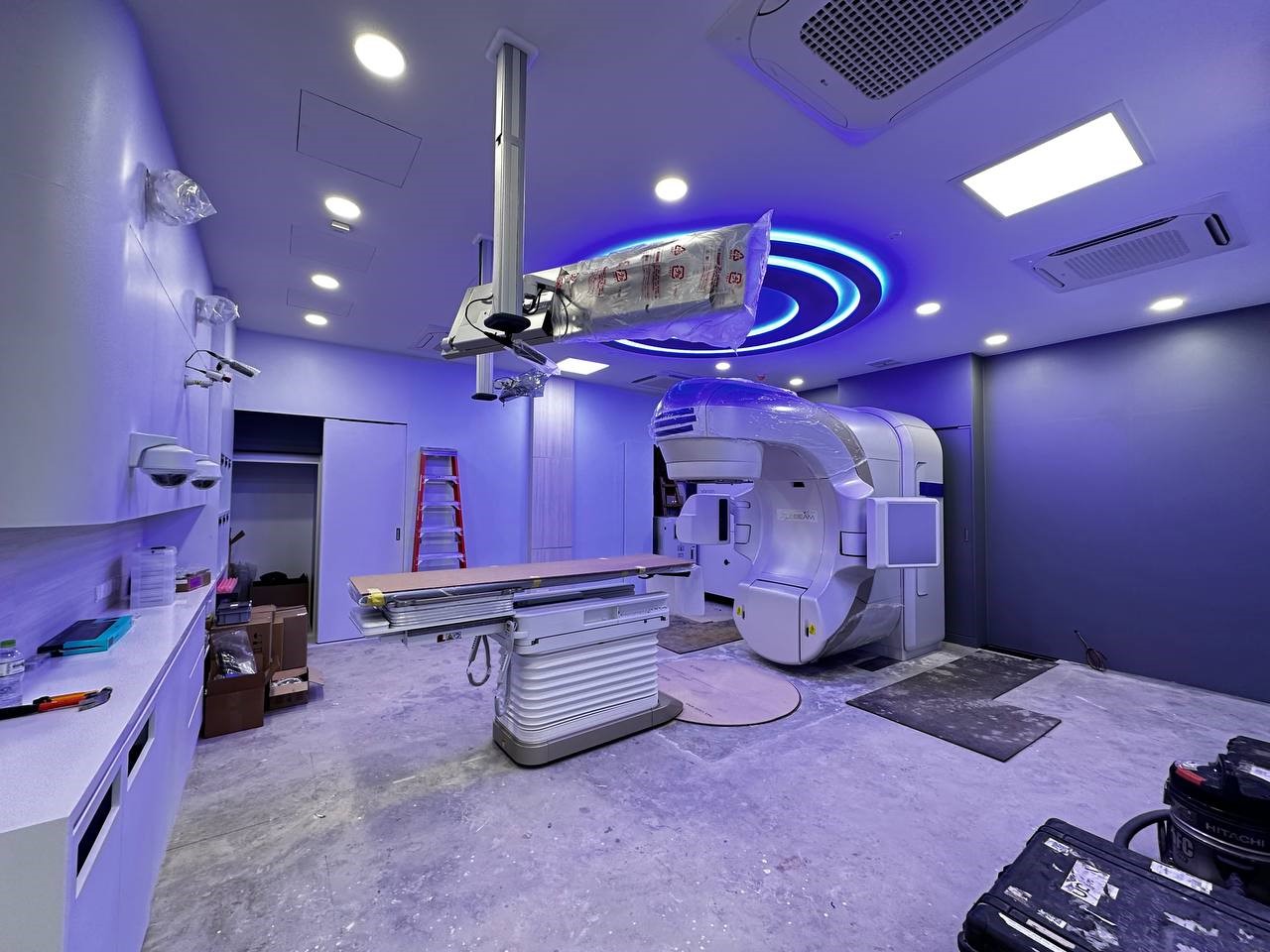
This centre is now operational, offering surgery and emergency services, with the recent addition of radiotherapy treatment. Radiotherapy is a crucial component of cancer treatment, involving the use of high-energy radiation to destroy cancer cells. The availability of such services at Luang Me represents a monumental step forward in Cambodia’s ability to provide holistic cancer care.
IAEA’s Role in Enhancing Healthcare Infrastructure
The IAEA’s involvement extends beyond the provision of technology. Through its technical cooperation and human health programs, the agency has facilitated the commissioning of linear accelerators and imaging equipment, essential tools in modern cancer treatment. Moreover, the IAEA has been instrumental in training doctors, advising on construction and necessary infrastructure, such as bunkers for housing equipment, and assisting with installations.
In 2023, the IAEA conducted an imPACT Review mission, which included a visit to the newly transformed cancer centre. This mission focused on discussing national plans and identifying capacity-building needs, ensuring that the country’s healthcare infrastructure continues to evolve in line with global standards.
Expanding Radiotherapy and Nuclear Medicine Services
The enhancements at Calmette Hospital and Luang Me are part of a broader initiative to expand radiotherapy and nuclear medicine services across Cambodia. With the support of the IAEA, training programs are being conducted to equip healthcare professionals with the skills necessary to utilize this advanced technology effectively. The Khmer Soviet Friendship Hospital, known for being the first in the country to offer radiotherapy, stands as a testament to this ongoing commitment to capacity building.
Implications and Future Prospects
These developments herald a promising future for healthcare in Cambodia. By strengthening its healthcare infrastructure, the country is not only improving its diagnostic and treatment capabilities but also positioning itself as a regional leader in medical innovation. The local production of radioisotopes and the expansion of cancer treatment facilities are likely to have long-term benefits, including attracting skilled professionals and fostering a culture of research and development in the medical field.
Furthermore, the successful implementation of these projects could serve as a model for other nations seeking to enhance their healthcare systems through strategic partnerships and technology adoption. The involvement of international organizations like the IAEA underscores the importance of collaboration in achieving healthcare advancements.
Conclusion
The establishment of the Cyclotron Medical Centre and the transformation of Luang Me into a specialized cancer treatment facility represent significant milestones in Cambodia’s healthcare journey. These initiatives not only address immediate healthcare needs but also lay the foundation for future growth and development in medical technology and services. As Cambodia continues to build on these achievements, the support and expertise provided by international partners like the IAEA will remain crucial in ensuring that the country’s healthcare infrastructure meets the evolving needs of its population.
For more information on the IAEA’s involvement and the ongoing developments in Cambodia’s healthcare sector, you can visit their official news page here.
For more Information, Refer to this article.