























NASA Deploys Aircraft to Aid Flood Recovery Efforts in Kerrville, Texas
In the wake of severe flooding near Kerrville, Texas, NASA has stepped up to support recovery efforts by deploying two specialized aircraft. This initiative is part of NASA’s Disasters Response Coordination System, which is actively working in collaboration with the Texas Division of Emergency Management, the Federal Emergency Management Agency (FEMA), and humanitarian organizations such as Save the Children and GiveDirectly to manage the aftermath of the flooding.
Overcoming Challenges in Data Collection
Due to persistent cloud cover, obtaining clear satellite images of the affected areas has been challenging. In response, NASA’s Disasters Program coordinated with the Airborne Science Program at the Johnson Space Flight Center in Houston to conduct a series of flights. The goal is to gather detailed observations of the impacted regions, which are then shared with emergency response teams to enhance their search and rescue operations, inform decision-making, and optimize resource allocation.
High-Altitude Aerial Surveys
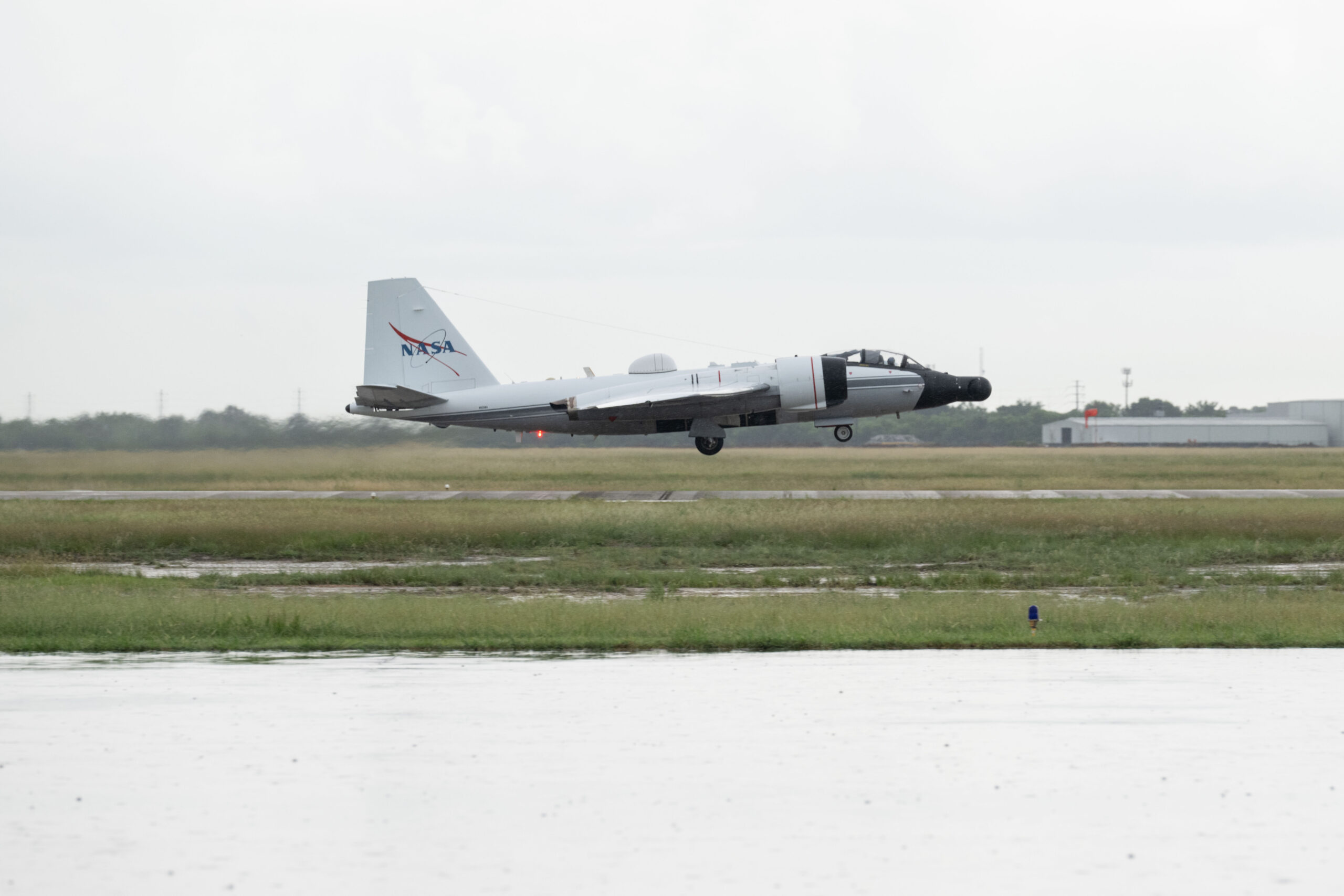
On July 8, the high-altitude WB-57 aircraft, operated by NASA Johnson, took off from Ellington Field to perform aerial surveys. This aircraft is equipped with the DyNAMITE (Day/Night Airborne Motion Imager for Terrestrial Environments) sensor, which captures high-resolution imagery of the Guadalupe River and its surrounding areas. This imagery is crucial for assessing flood damage and coordinating ground-based recovery efforts. The DyNAMITE sensor facilitates real-time data collection and analysis, which improves situational awareness and accelerates emergency response times.
Advanced Radar Technology
In addition to the WB-57, NASA has deployed the Uninhabited Aerial Vehicle Synthetic Aperture Radar (UAVSAR) from the Armstrong Flight Research Center in Edwards, California. This radar system, managed by the Jet Propulsion Laboratory in Southern California, is mounted on a Gulfstream III aircraft. The UAVSAR team is conducting flights over the Guadalupe, San Gabriel, and Colorado river basins to gather data on Wednesday, Thursday, and Friday. Unlike optical sensors, the UAVSAR can penetrate through vegetation to detect water, enabling a more comprehensive assessment of flooding and the extent of damage in affected communities.
Coordinated Efforts for Quick Response
NASA is coordinating its flight operations with FEMA, the Texas Division of Emergency Management, and local responders to ensure that the data collected is swiftly delivered to decision-makers on the ground. The imagery and data gathered are sent to NASA’s Disaster Response Coordination System, where they are used to create detailed maps and assessments of flood severity and damage to infrastructure.
Utilizing NASA’s Disaster Mapping Portal
NASA’s Earth Science Division is actively producing maps and data to evaluate the location and severity of flooding, as well as the damage to buildings and infrastructure. These resources are being made available on the NASA Disasters Mapping Portal as they are completed. This portal serves as a critical tool for emergency responders and planners who need quick access to reliable information to guide their efforts.
Understanding the Technology Involved
For readers unfamiliar with some of the technical jargon, here’s a brief explanation: The DyNAMITE sensor is an advanced imaging system capable of capturing detailed images both during the day and at night. This is particularly useful in emergency situations where time is of the essence, and operations must continue around the clock. The UAVSAR, on the other hand, uses synthetic aperture radar technology to create detailed images of the Earth’s surface, even through obstacles like vegetation. This capability is essential for understanding the true extent of flooding, which may not be visible through standard optical imagery.
The Bigger Picture
NASA’s involvement in disaster response highlights the agency’s commitment to leveraging its technological capabilities for humanitarian purposes. This initiative not only aids in immediate recovery efforts but also contributes to long-term planning and preparedness for future natural disasters. By providing high-quality data and imagery, NASA is empowering local, state, and federal agencies to make informed decisions that can save lives and mitigate the impact of such events.
Public Reaction and Implications
The deployment of NASA’s aircraft has been met with positive reactions from local authorities and communities affected by the flooding. The data provided by NASA is playing a crucial role in guiding rescue and recovery operations, ensuring that resources are allocated efficiently and effectively.
This collaborative effort underscores the importance of technological innovation in disaster management and the potential for government agencies to work together towards common humanitarian goals. As climate change continues to increase the frequency and severity of natural disasters, the need for advanced tools and coordinated responses becomes ever more critical.
For more information on NASA’s involvement in disaster recovery and their ongoing efforts, visit [NASA’s Disasters Program](https://appliedsciences.nasa.gov/what-we-do/disasters/disasters-activations/texas-flooding-july-2025).
In conclusion, NASA’s deployment of aircraft to assist with flood recovery efforts in Texas is a testament to the power of technology and collaboration in addressing natural disasters. By providing invaluable data and resources, NASA is helping to ensure that affected communities receive the support they need to recover and rebuild.
For more Information, Refer to this article.