Chile’s Advancements and Opportunities in Cancer Control: An In-depth Review
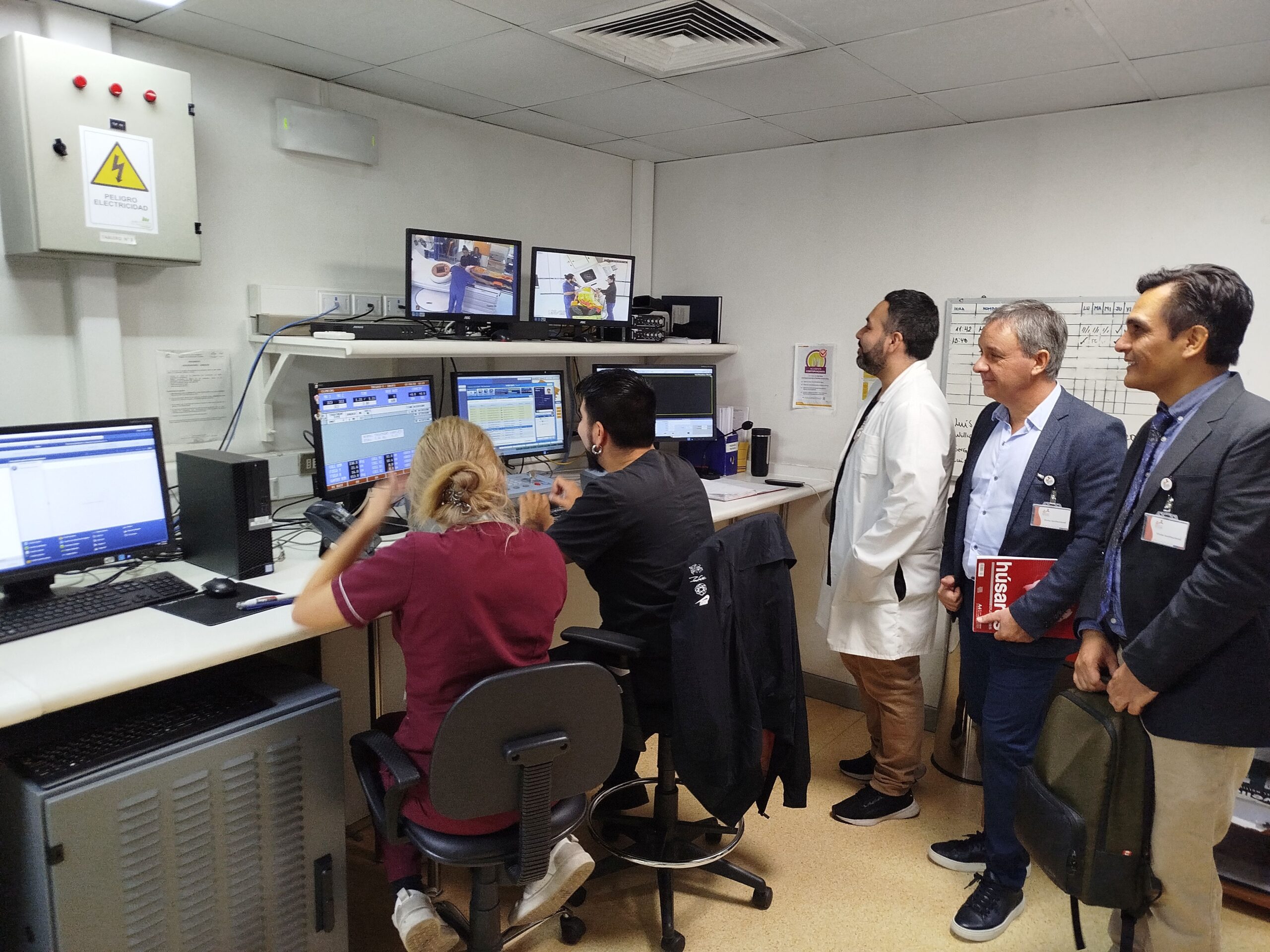
The international community has taken a significant step in evaluating and improving cancer control measures across the globe, with Chile as a recent focal point. A specialized team, known as the imPACT team, comprised of 13 international experts, has conducted a comprehensive review of Chile’s cancer control capabilities. This evaluation encompassed various aspects such as cancer prevention, early detection, diagnosis, treatment, palliative care, and the safety of nuclear and radiation medicine. Notably, for the first time, the assessment also included radiopharmaceutical production, marking a critical addition to the scope.
Recognizing Chile’s Achievements
The findings from the imPACT review highlight several commendable achievements by Chile in the realm of cancer control. Chief among these is the country’s universal health coverage, which ensures that all citizens have access to necessary healthcare services. This foundational aspect is bolstered by the adoption of cutting-edge technologies and the cultivation of a highly trained healthcare workforce, supported by robust academic institutions.
Chile’s commitment to maintaining a well-organized national governance structure for cancer control is evident in its comprehensive plans: the Child and Adolescent Cancer Plan for 2023-2028 and the Adult Action Plan for the National Cancer Plan 2022-2027. These strategies underscore Chile’s dedication to addressing cancer across all age groups and ensuring that effective measures are in place for prevention and treatment.
Identifying Improvement Opportunities
Despite these achievements, the imPACT team identified several areas where Chile could enhance its cancer control efforts. One of the primary recommendations is to strengthen governance and coordination mechanisms. Effective governance is crucial for implementing policies and ensuring that all stakeholders work together harmoniously.
Another critical area for improvement is reducing waiting times for cancer treatment. Timely intervention is essential in cancer care, and minimizing delays can significantly impact patient outcomes. Furthermore, increasing access to cancer care in underserved regions is vital to ensuring that all individuals, regardless of their location, receive the necessary medical attention.
Enhancing national cancer surveillance and information systems is also a priority. Accurate data collection and analysis are fundamental for understanding cancer trends, identifying high-risk populations, and evaluating the efficacy of implemented strategies. By improving these systems, Chile can better tailor its cancer control efforts to meet the specific needs of its population.
Inclusive and Participatory Strategy
Chile’s approach to cancer control is characterized by its inclusivity and participatory nature. This strategy involves collaboration among various stakeholders, including representatives from government ministries, academic institutions, and civil society. Such a diverse coalition is essential for addressing the multifaceted challenges associated with cancer control.
Bernardo Martorell Guerra, the Vice Minister of Healthcare Networks at Chile’s Ministry of Health (MINSAL), emphasized the importance of this collaborative approach. He stated, "Chile’s cancer control strategy is rooted in inclusive and participatory processes. The involvement of stakeholders from across ministries, academia, and civil society is essential to address the most pressing challenges."
Expanding Cancer Control Activities
Looking ahead, Chile is actively seeking to expand its cancer control activities. This expansion includes enhancing infectious disease control, as infections can contribute to cancer risk. Additionally, the country aims to address risk behaviors such as tobacco use, which is a known contributor to various types of cancer.
Expanding access to radiation medicine is also on Chile’s agenda. Radiation therapy plays a crucial role in cancer treatment, and making this option more widely available can improve outcomes for many patients. By focusing on these areas, Chile aims to build on its existing strengths and address the gaps identified in the imPACT review.
Good to Know: The Role of Radiopharmaceuticals
An interesting aspect of the recent review is the inclusion of radiopharmaceutical production. Radiopharmaceuticals are a group of pharmaceutical drugs that contain radioactive isotopes. They are used in nuclear medicine for both diagnostic and therapeutic purposes. For example, in cancer treatment, radiopharmaceuticals can target specific cancer cells, delivering radiation directly to the tumor and minimizing damage to surrounding healthy tissue.
The inclusion of radiopharmaceutical production in the imPACT review highlights the growing importance of this field in cancer care. By focusing on the safe and effective production of these substances, Chile can further enhance its capabilities in nuclear and radiation medicine.
Conclusion
Chile’s efforts in cancer control demonstrate a strong commitment to improving public health and addressing one of the most significant challenges of our time. While the country has made substantial progress, the insights from the imPACT review provide a valuable roadmap for future improvements.
By strengthening governance, reducing waiting times, increasing access in underserved regions, and enhancing surveillance systems, Chile can continue to lead by example in the fight against cancer. The collaborative and inclusive approach embraced by the country serves as a model for other nations seeking to enhance their cancer control strategies.
For those interested in learning more about the imPACT review and its findings, the original report can be accessed on the International Atomic Energy Agency’s website. This comprehensive evaluation offers a detailed look at Chile’s cancer control efforts and the opportunities for future advancements.
For more Information, Refer to this article.