
























Understanding the Safety of Air Taxi Materials: NASA’s Innovative Research
In the rapidly evolving world of aviation, the emergence of air taxis and other electric aircraft is sparking a significant transformation. As these futuristic modes of transportation take shape, understanding the behavior of materials used in their construction becomes increasingly critical. Recognizing this need, NASA has embarked on a mission to investigate the materials and designs that could offer the best protection to passengers in the event of a crash.
NASA’s Landmark Experiment at Langley Research Center
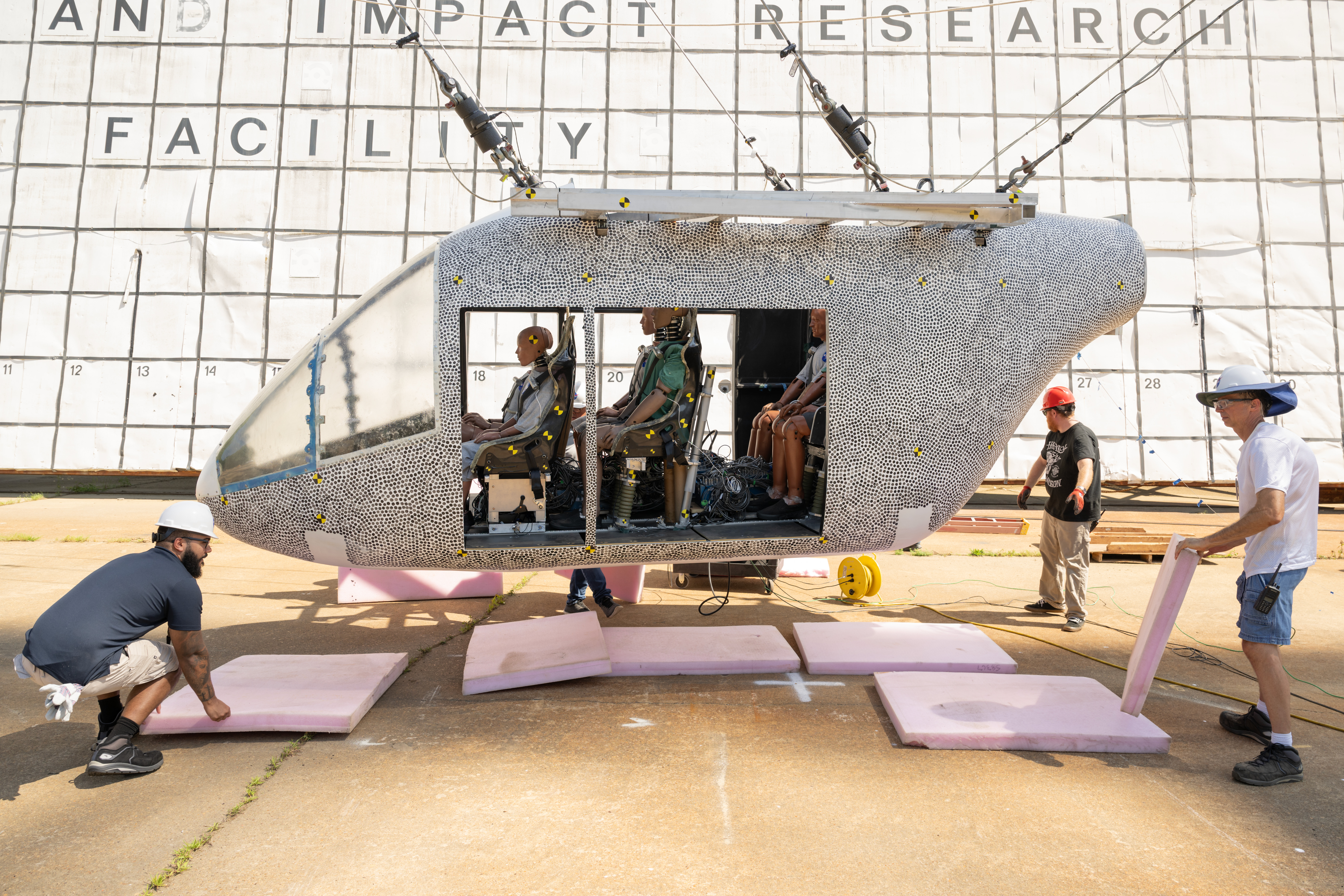
On June 26, 2025, a pivotal experiment took place at NASA’s Langley Research Center in Hampton, Virginia. Researchers conducted a dramatic test involving a full-scale aircraft body modeled after an air taxi. This was not just any test; the aircraft body was dropped from a towering steel structure known as a gantry, showcasing the lengths to which scientists are going to ensure safety in the skies.
The aim of this experiment was to gather essential data on how different materials absorb impact forces. By understanding these dynamics, manufacturers can better design advanced air mobility (AAM) aircraft that offer enhanced safety features. This focus on material performance is a crucial step in the development of air taxis that the public can trust.
Insights from Previous Research
This recent test builds on previous research conducted by NASA in late 2022. During that initial investigation, researchers similarly focused on materials that could effectively absorb the forces at play during a crash. The findings from both studies are expected to significantly influence the design and certification process of future air taxis, ensuring that passenger safety is prioritized from the ground up.
Why Material Choice Matters
In the context of aviation, the choice of materials can be the difference between life and death during an accident. Materials that can absorb impact forces effectively reduce the risk of injury to passengers. As such, NASA’s research is not merely academic; it has real-world implications for the safety of future air travelers.
For those unfamiliar with technical terms, "impact forces" refer to the sudden and powerful forces a material experiences during a collision. In aviation, these forces can be incredibly high, so selecting materials that can withstand such conditions without compromising structural integrity is essential.
The Role of Advanced Air Mobility (AAM)
Advanced Air Mobility (AAM) is an umbrella term that encompasses new aviation technologies, including electric aircraft and air taxis. The goal of AAM is to develop new modes of transportation that are efficient, environmentally friendly, and safe. NASA’s research into materials and crash dynamics is a cornerstone of this initiative, helping to lay the groundwork for safer skies.
Broader Implications for the Aviation Industry
NASA’s commitment to improving air taxi safety is a testament to the collaborative effort required to bring these new technologies to market. By sharing their findings with manufacturers and other stakeholders, NASA ensures that the entire industry benefits from their research.
Furthermore, this focus on safety is likely to accelerate the regulatory approval process for air taxis. As manufacturers incorporate NASA’s findings into their designs, they can present more robust safety cases to regulators, potentially shortening the time to market for these innovative aircraft.
Community and Industry Reactions
The aviation community has been closely monitoring NASA’s research, with many expressing optimism about the future of air taxis. Industry experts believe that these safety tests are essential for gaining public trust, a crucial factor in the widespread adoption of new aviation technologies.
Moreover, the general public is becoming increasingly interested in the promise of air taxis. With urban congestion worsening in many cities, air taxis offer a potential solution, providing quick and efficient transportation across urban landscapes. However, for these benefits to be realized, safety must remain a top priority.
A Future of Safe and Efficient Air Travel
As we look to the future, NASA’s research represents a significant step forward in the journey towards safe and efficient air travel. By understanding how materials behave under extreme conditions, NASA is helping to pave the way for a new era in aviation.
For those interested in following NASA’s ongoing research efforts, more information can be found through their official channels and publications. Their work is a reminder of the importance of innovation and safety in the development of new technologies.
In conclusion, NASA’s investigation into air taxi materials is not just about advancing technology; it’s about ensuring that the skies of tomorrow are safe for everyone. As the aviation industry continues to evolve, the lessons learned from these experiments will be invaluable in shaping a future where air travel is both advanced and secure.
For more Information, Refer to this article.