NISAR Satellite Launch: A Milestone in Earth Observation
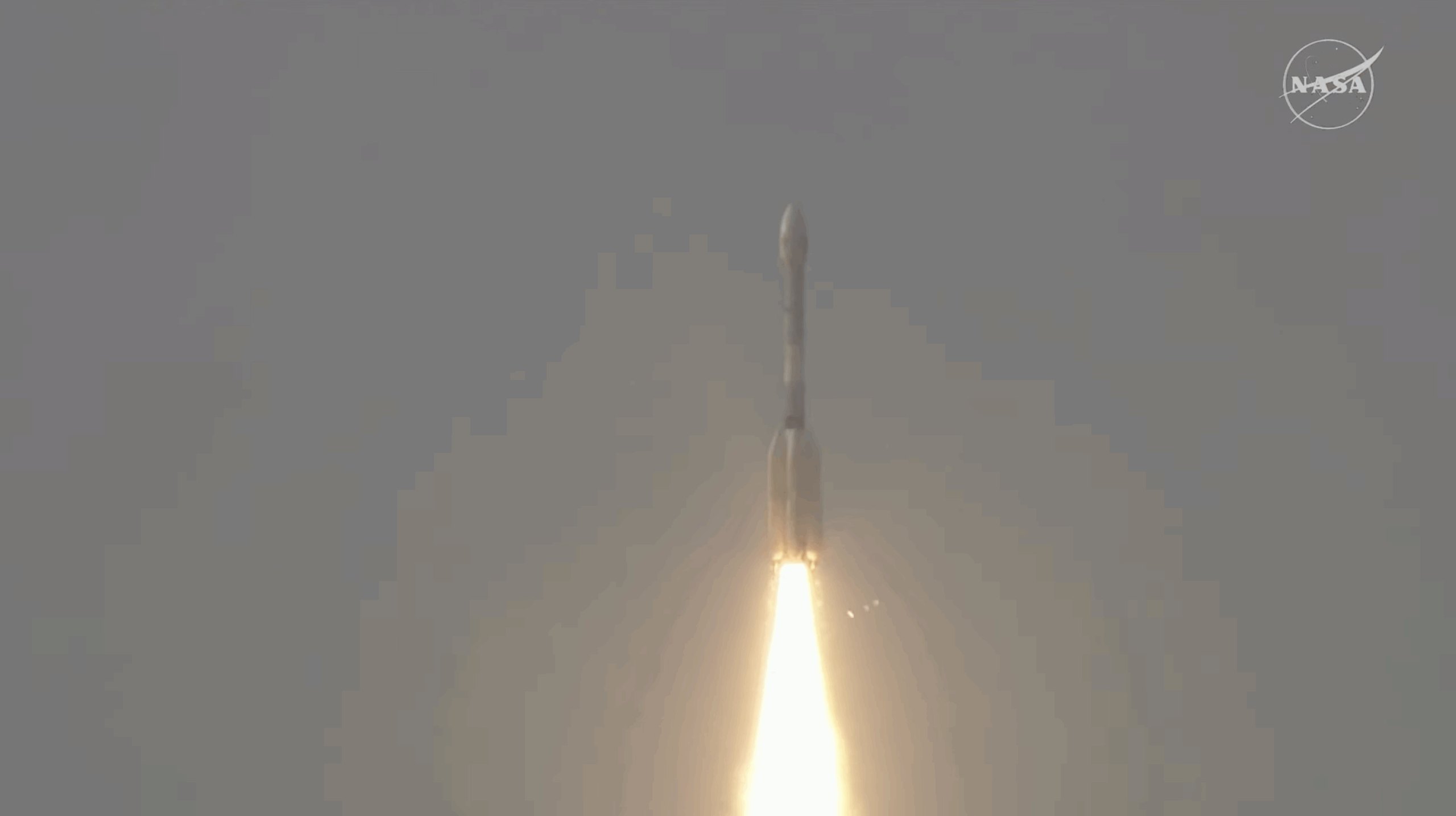
The NISAR (NASA-ISRO Synthetic Aperture Radar) satellite, equipped with a cutting-edge radar system designed to deliver a dynamic and three-dimensional perspective of Earth in unmatched detail, has successfully launched from the Satish Dhawan Space Centre located in Sriharikota, Andhra Pradesh, India. This remarkable scientific endeavor is the result of a collaborative effort between NASA and the Indian Space Research Organisation (ISRO), marking a significant milestone in the space exploration partnership between the United States and India.
In a world that constantly faces the challenges of natural disasters and environmental changes, timely and accurate data can make a substantial difference. The NISAR mission, highlighted by President Trump and Prime Minister Modi as a critical component of civil-space cooperation between the two nations, aims to achieve just that. By providing precise measurements of land and ice surface movements down to a centimeter, this satellite will offer invaluable information to decision-makers in fields such as disaster response, infrastructure monitoring, and agricultural management.
Launch Details and Initial Operations
The satellite embarked on its journey atop an ISRO Geosynchronous Satellite Launch Vehicle (GSLV) rocket, lifting off at 8:10 a.m. EDT (5:10 p.m. IST) on Wednesday, July 30. Approximately 20 minutes post-launch, at 8:29 a.m. EDT, ISRO’s ground controllers established communication with NISAR, confirming that it was operating as intended. This successful launch across multiple time zones and continents marks the first mission of such magnitude undertaken jointly by NASA and ISRO.
Nicky Fox, associate administrator of the Science Mission Directorate at NASA Headquarters in Washington, praised the mission team for their accomplishment. She emphasized the vital role NISAR’s data will play in safeguarding communities and infrastructure, ensuring the health and safety of individuals affected by Earth’s dynamic processes.
Mission Capabilities and Objectives
Positioned 464 miles (747 kilometers) above our planet, NISAR is equipped with two advanced radar instruments that are set to revolutionize Earth observation. These instruments will meticulously monitor changes in Earth’s forests, wetlands, frozen surfaces, and even detect the movement of Earth’s crust down to fractions of an inch. Such precise measurements are crucial in understanding the movements of land surfaces before, during, and after natural events like earthquakes, volcanic eruptions, and landslides.
ISRO Chairman V Narayanan expressed his satisfaction with the successful launch and highlighted the mission’s potential to fulfill the scientific ambitions envisioned by NASA and ISRO over a decade ago. The radar’s capabilities will enable detailed studies of Earth’s dynamic land and ice surfaces, offering insights that were previously unattainable.
Global Monitoring and Data Applications
The mission’s dual radars will cover nearly all of Earth’s land and ice surfaces twice every 12 days, including the seldom-monitored regions of the polar Southern Hemisphere. The data collected by NISAR will aid researchers in assessing changes in forests, wetlands, agricultural zones, and permafrost over time. Karen St. Germain, director of NASA’s Earth Science Division, emphasized the mission’s potential to provide new knowledge and tangible benefits to communities worldwide, allowing for a better understanding of natural disasters and changes in Earth’s systems that affect lives and property.
Technical Innovations and Collaborative Efforts
The NISAR satellite is a pioneering mission, marking the first time two radar instruments – an L-band system and an S-band system – have been combined on a single satellite. Each radar system is sensitive to different features and specializes in detecting specific attributes. The L-band radar is adept at measuring soil moisture, forest biomass, and land and ice surface movement, while the S-band radar excels in monitoring agriculture, grassland ecosystems, and infrastructure movement.
This collaborative mission leverages the expertise of NASA’s Jet Propulsion Laboratory (JPL) in Southern California, which provided the L-band radar, and ISRO’s Space Applications Centre in Ahmedabad, responsible for developing the S-band radar. The NISAR mission marks a milestone in the collaboration between NASA and ISRO, as it is the first time the two agencies have co-developed hardware for an Earth-observing mission.
Dave Gallagher, director of NASA JPL, expressed pride in the international team behind the satellite. He highlighted the mission’s global measurements and local applications, underscoring its potential to help communities plan for a resilient future. The synthetic aperture radar technology at the core of the mission was pioneered at NASA JPL, enabling continuous Earth observation regardless of weather conditions or time of day.
Historical Context and Future Prospects
The inclusion of both L-band and S-band radars on one satellite represents an evolution in synthetic aperture radar (SAR) missions. For NASA, this journey began in 1978 with the launch of Seasat, while ISRO initiated its SAR missions in 2012 with the launch of Radar Imaging Satellite (RISAT-1) and subsequently RISAT-1A in 2022. These efforts have supported a wide range of applications in India and around the world.
In the coming weeks, the spacecraft will enter a roughly 90-day commissioning phase, during which it will deploy its 39-foot (12-meter) radar antenna reflector. This reflector will direct and receive microwave signals from the two radars, allowing researchers to discern surface characteristics by interpreting the differences between the radar signals. As NISAR revisits the same locations twice every 12 days, scientists will be able to evaluate changes over time, unveiling new insights about Earth’s dynamic surfaces.
International Collaboration and Contributions
The NISAR mission is a testament to the equal collaboration between NASA and ISRO. Managed for NASA by Caltech, NASA JPL leads the U.S. component of the project, providing the L-band SAR, radar reflector antenna, deployable boom, high-rate communication subsystem for science data, GPS receivers, solid-state recorder, and payload data subsystem.
ISRO’s Space Applications Centre in Ahmedabad is responsible for the S-band SAR instrument’s development, calibration, data processing, and science algorithm creation to achieve the mission’s scientific goals. The U R Rao Satellite Centre in Bengaluru leads ISRO’s components of the mission, providing the spacecraft bus. The ISRO Vikram Sarabhai Space Centre is responsible for the launch vehicle, while launch services are handled by the Satish Dhawan Space Centre. Satellite operations are managed by the ISRO Telemetry Tracking and Command Network, and the National Remote Sensing Centre in Hyderabad oversees S-band data reception, operational product generation, and dissemination.
For more information about the NISAR mission, please visit the official website at https://nisar.jpl.nasa.gov.
For more Information, Refer to this article.