






























NASA’s Artemis II: Preparing for the Next Giant Leap in Space Exploration
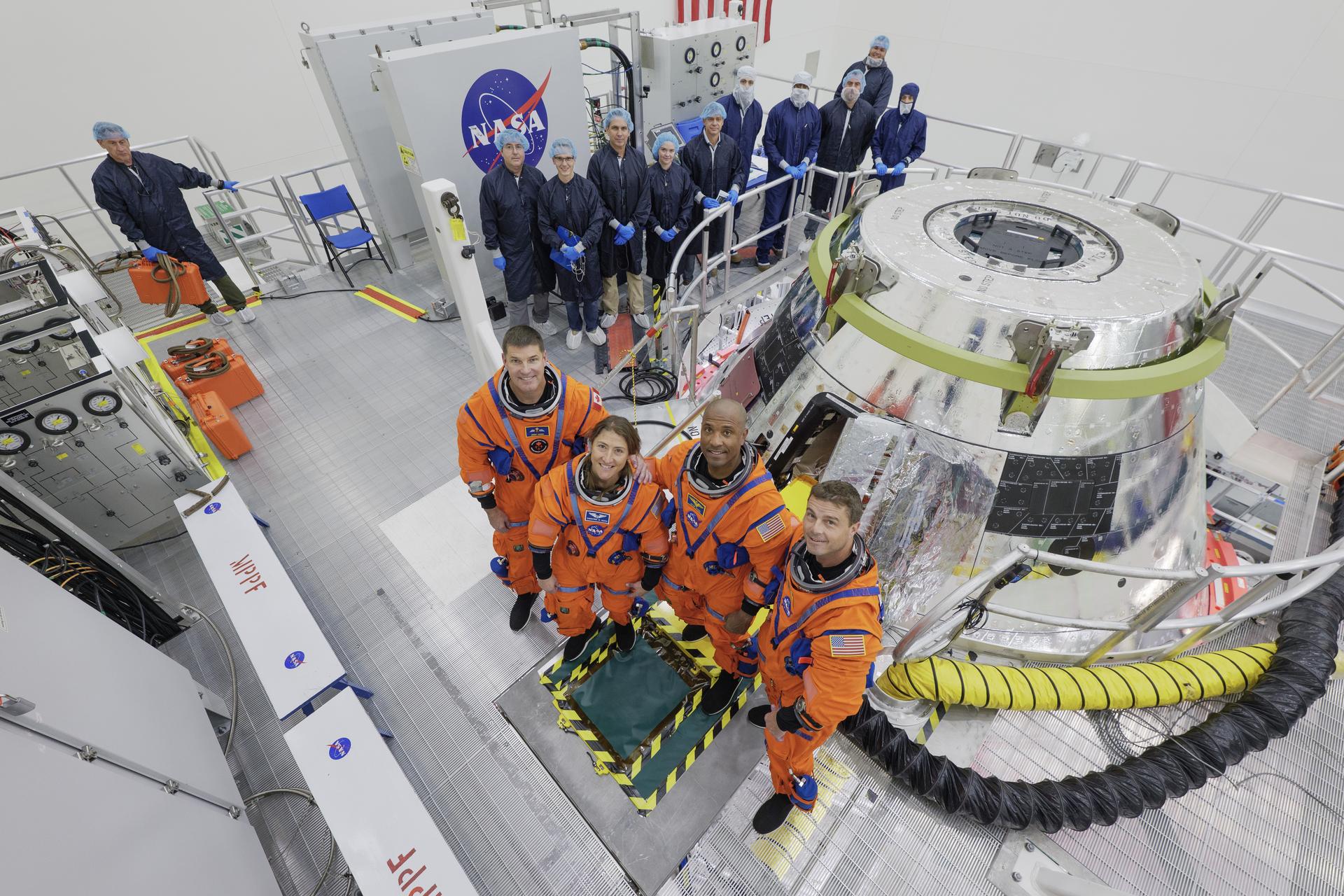
In a monumental step towards human space exploration, NASA is preparing to send astronauts around the Moon for the first time in over five decades with the Artemis II mission. Set to embark on this historic journey early next year, the crew recently engaged in a crucial training session at NASA’s Kennedy Space Center in Florida. This initiative is not just a mission; it’s a testament to human ingenuity, resilience, and our unyielding quest for discovery.
The Artemis II Mission: A New Chapter in Space Exploration
The Artemis II mission is part of NASA’s broader Artemis program, which aims to establish a sustainable presence on the Moon and pave the way for future manned missions to Mars. This mission will see astronauts Reid Wiseman, Victor Glover, Christina Koch, and Jeremy Hansen from the Canadian Space Agency (CSA) orbit the Moon, marking a significant milestone in space exploration.
Training at Kennedy Space Center: An Indispensable Step
The crew’s recent training session involved entering the Orion spacecraft, where they donned their spacesuits and simulated mission conditions. This exercise is crucial in preparing them for the challenges they may face while orbiting the Moon.
Suited Crew Test: Simulating Real Mission Conditions
The astronauts participated in a suited crew test and a crew equipment interface test. These exercises are designed to mimic the conditions they will experience on launch day and during their orbital activities. The suited crew test, conducted with the Orion spacecraft powered on, allowed the astronauts to perform several critical tasks, including communications checkouts and suit leak checks. This was the first time the crew was fully integrated with the spacecraft’s systems, giving them a realistic sense of what to expect.
Real-Time Problem Solving
The training also included simulations of potential issues, such as addressing leaks and failures in the air revitalization system. This system is vital for providing oxygen and removing carbon dioxide from the cabin. By practicing these scenarios, astronauts hone their ability to respond swiftly and effectively to challenges, ensuring they are prepared for any situation that may arise.
Equipment Familiarization: Ensuring Seamless Operations
In addition to the suited crew test, the astronauts conducted a crew equipment interface test. This involved exchanging their spacesuits for cleanroom garments and working with the spacecraft powered off. During this test, they practiced tasks they will perform in flight, such as removing and stowing the foot pans on the pilot and commander seats. This exercise is essential for maximizing cabin space once they are in orbit.
Hands-On Experience with Spacecraft Systems
The crew also accessed the stowage lockers, familiarized themselves with cameras and cables, and inspected the environmental control and life support system hardware. Such hands-on experience is invaluable, as it allows the astronauts to become intimately familiar with the equipment they will rely on during their mission.
The Significance of Artemis II: More Than Just a Mission
The Artemis II mission represents more than just a technical achievement; it embodies the spirit of exploration and the desire to push the boundaries of human potential. As acting NASA Administrator Sean Duffy eloquently stated, "In about six months, Artemis II astronauts will journey around the Moon for the first time in 53 years. America rallied behind Apollo because it represented the best of us – now it’s Artemis’ turn. They’re not just carrying a flag – they’re carrying the pride, power, and promise of the United States of America."
Preparing for Future Exploration
The Artemis program is not just about returning to the Moon; it’s about laying the groundwork for future exploration. By utilizing the Moon as a proving ground, NASA aims to develop the technologies and processes necessary for extended missions to Mars and beyond. The knowledge and experience gained from Artemis II will be instrumental in achieving these long-term goals.
The Role of International Collaboration
Artemis II also highlights the importance of international collaboration in space exploration. The inclusion of Canadian astronaut Jeremy Hansen underscores the global nature of this mission. By working together, nations can pool their resources, expertise, and knowledge to achieve feats that would be impossible alone.
Looking Ahead: The Future of Human Spaceflight
As NASA prepares for the Artemis II mission, the excitement and anticipation are palpable. This mission is a crucial step in humanity’s quest to explore the cosmos and unlock the mysteries of the universe. Through the Artemis program, NASA is not only advancing scientific discovery but also inspiring future generations to dream big and reach for the stars.
Conclusion: A New Era of Exploration
The Artemis II mission is poised to usher in a new era of space exploration, one that promises to expand our understanding of the universe and our place within it. As the crew continues their training and preparation, the world watches with bated breath, eager to witness this historic journey unfold. With the Artemis program, NASA is not just reaching for the Moon; it’s reaching for a future where humanity’s potential knows no bounds.
For more information about the Artemis II mission and NASA’s ongoing efforts in space exploration, visit NASA’s Artemis II Mission Page.
For more Information, Refer to this article.







