






























NASA and SpaceX Gear Up for Crew-10 Mission’s Return from the International Space Station
NASA, in collaboration with SpaceX, is preparing for the return of the SpaceX Crew-10 mission from the International Space Station (ISS). The undocking is scheduled for no earlier than 12:05 p.m. EDT on Thursday, August 7. Weather permitting, the splashdown is anticipated to occur at approximately 11:58 a.m. on Friday, August 8. Notably, this mission marks the first time a splashdown will occur off the coast of California under NASA’s Commercial Crew Program.
Crew-10 Mission Details
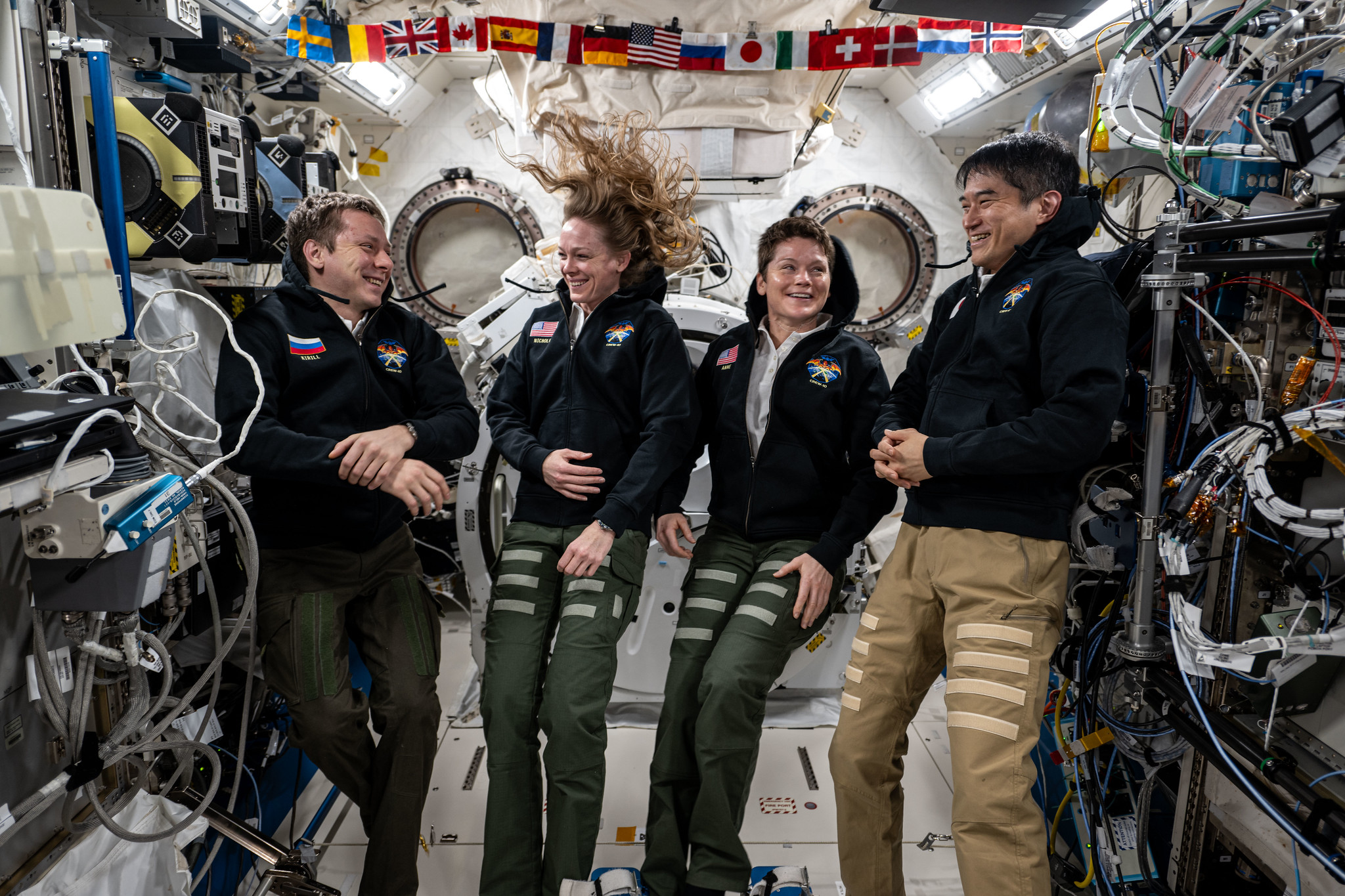
The Crew-10 mission comprises NASA astronauts Anne McClain and Nichole Ayers, JAXA astronaut Takuya Onishi, and Roscosmos cosmonaut Kirill Peskov. Over the past five months, they have conducted a scientific expedition aboard the ISS, contributing to various research initiatives. They will bring back to Earth essential research data that is sensitive to time constraints, providing valuable insights for ongoing and future studies.
Monitoring Conditions for a Safe Return
Mission managers are closely tracking weather conditions to ensure a safe undocking and return. Several factors, including the readiness of the spacecraft, the recovery team’s preparedness, weather patterns, and sea states, play a crucial role in the mission’s timing. NASA and SpaceX will finalize the specific time and location for splashdown as the undocking approaches.
How to Follow the Mission Live
NASA will provide live coverage of the mission’s return and associated activities. This coverage will be accessible via NASA’s streaming service, NASA+, Amazon Prime, and other platforms. For more details on how to stream NASA content across various devices, interested viewers can visit NASA’s official website.
Key Timings for the Mission’s Return
Thursday, August 7:
- 9:45 a.m.: Coverage of the hatch closure begins on NASA+ and Amazon Prime.
- 10:20 a.m.: Hatch closing is scheduled.
- 11:45 a.m.: Coverage of the undocking process begins on NASA+ and Amazon Prime.
- 12:05 p.m.: Scheduled time for undocking.
Once the undocking process is complete, NASA will share audio-only communications between the Crew-10 team, the ISS, and flight controllers as the Dragon spacecraft moves away from the space station.
Friday, August 8:
- 10:45 a.m.: Return coverage begins on NASA+ and Amazon Prime.
- 11:08 a.m.: The deorbit burn is planned.
- 11:58 a.m.: Scheduled splashdown time.
A media teleconference will follow the return to Earth, streaming live on NASA’s YouTube channel at 1:30 p.m. Participants in the teleconference will include Steve Stich, manager of NASA’s Commercial Crew Program, and other key representatives from NASA, SpaceX, and JAXA.
Participation in the Media Teleconference
Media representatives interested in participating in the teleconference should contact NASA’s Johnson newsroom by 5 p.m. on August 7. To ensure participation, it is advised to dial in at least 10 minutes before the teleconference begins. NASA’s media credentialing policy is available on the agency’s website.
Additional Resources and Information
For those seeking comprehensive mission coverage, NASA’s commercial crew blog, and further details about the Crew-10 mission, the following link provides access to a wealth of information: NASA Commercial Crew.
Reflections on the Commercial Crew Program
NASA’s Commercial Crew Program has been instrumental in advancing human spaceflight, offering a reliable and cost-effective means of transporting astronauts to and from the ISS. The collaboration with commercial partners like SpaceX has allowed NASA to focus on its broader goals, such as exploring beyond low Earth orbit.
The program has also opened up new possibilities for scientific research, enabling more frequent and diverse missions to the ISS. This increased access to space has facilitated a wide range of experiments, from biological and physical sciences to technology demonstrations, enhancing our understanding of life in microgravity and contributing to future exploration efforts.
Public Reception and Expert Opinions
The public and experts in the field of aerospace have expressed positive views regarding the progress and achievements of the Commercial Crew Program. The success of missions like Crew-10 underscores the potential of public-private partnerships in space exploration, providing a model for future collaborations.
The ongoing advancements in space technology and the successful return of missions such as Crew-10 reinforce the importance of continued investment in space exploration. As NASA and its partners look toward future endeavors, the lessons learned and innovations developed through the Commercial Crew Program will undoubtedly play a pivotal role in shaping the next chapter of human spaceflight.
In conclusion, as Crew-10 prepares to return to Earth, the mission represents not only a significant milestone for NASA and SpaceX but also a testament to the power of collaboration and innovation in reaching new heights in space exploration.
For more Information, Refer to this article.







