AI-Powered Weather Forecasting Revolutionizes Indian Agriculture
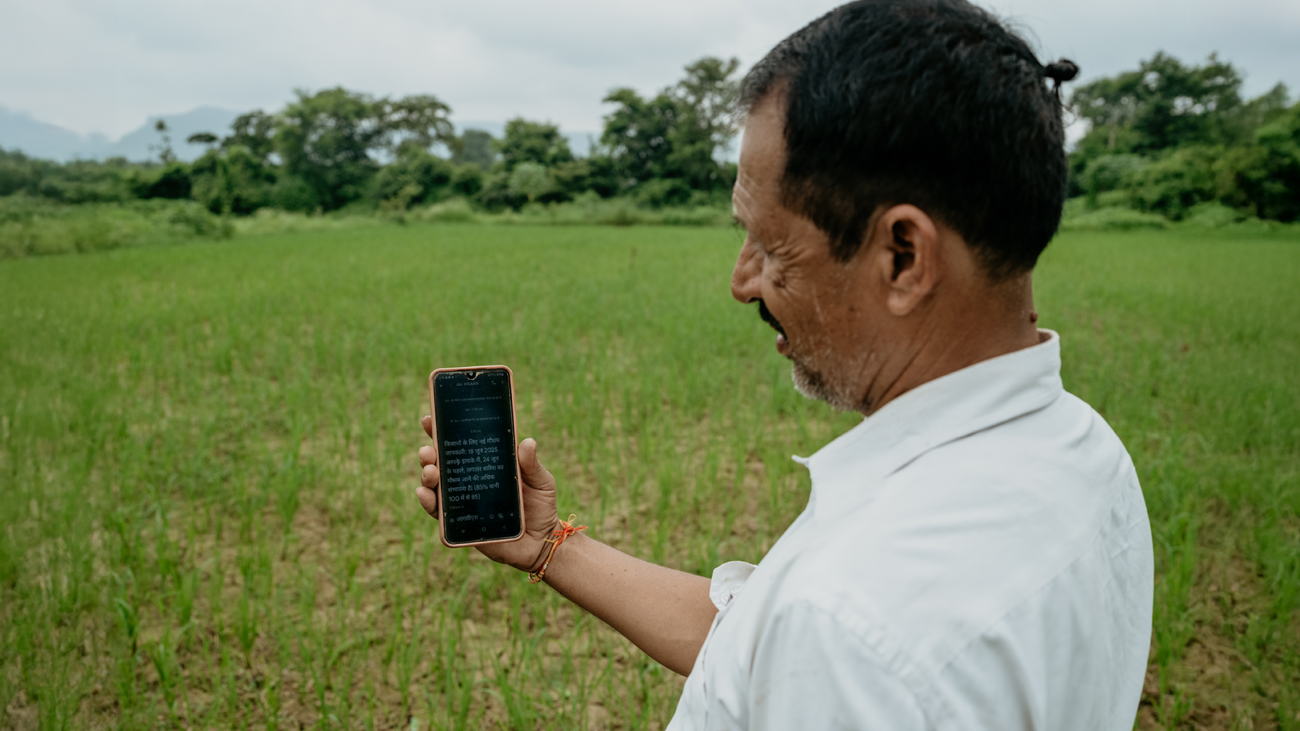
This summer, a remarkable technological advancement made a significant impact on the lives of 38 million farmers throughout India. These farmers received forecasts powered by artificial intelligence to predict the start of the monsoon season. This crucial information empowered them to make better decisions about when to plant their crops, potentially increasing their agricultural productivity. The forecasts were driven by NeuralGCM, a sophisticated model developed by Google Research. This model blends traditional physics-based approaches with cutting-edge machine learning techniques to enhance the accuracy and efficiency of weather simulations.
Understanding the Role of AI in Weather Prediction
For many years, traditional weather and climate models have been both expensive and complex to run, typically requiring the power of supercomputers. In an effort to improve efficiency and accuracy, Google Research embarked on a journey to develop more accessible models. The result was NeuralGCM, an AI-driven weather prediction model that stands out due to its unique approach. Unlike conventional models that rely solely on predefined physical equations, NeuralGCM leverages decades of historical weather data to identify patterns and learn from past weather events. This model also incorporates physical laws, enhancing its predictive capabilities. One of the most notable aspects of NeuralGCM is its flexibility and efficiency—it is capable of running on a simple laptop, democratizing access to high-quality weather forecasting tools for researchers and scientists.
A Fruitful Partnership with the University of Chicago
Following the open-sourcing of NeuralGCM, Google Research aimed to inspire the scientific community to harness this innovative tool for their own groundbreaking applications. The University of Chicago’s Human-Centered Weather Forecasts Initiative exemplified this vision by effectively utilizing NeuralGCM. Recognizing the immense challenge faced by Indian farmers in predicting the ideal planting time, this initiative focused on providing accurate forecasts of the monsoon season. In tropical regions, millions of smallholder farmers rely heavily on timely information about the rainy season, known as the monsoon, to guide their agricultural activities. However, forecasting the monsoon’s onset, especially with long lead times and at localized scales, has been a persistent challenge for over a century.
The University of Chicago team conducted extensive testing of multiple AI weather models, ultimately determining that NeuralGCM was well-suited for this complex task. By integrating NeuralGCM with other advanced models, such as the European Centre for Medium-Range Weather Forecasts (ECMWF)’s Artificial Intelligence/Integrated Forecasting System (AIFS), alongside historical data, they achieved remarkable accuracy. The model successfully predicted the onset of the Indian monsoon up to a month in advance, even detecting an unusual dry spell during the monsoon’s progression.
The Implications and Future of AI in Weather Forecasting
The successful application of NeuralGCM in predicting the Indian monsoon demonstrates the transformative potential of AI in agriculture. By providing farmers with timely and accurate weather forecasts, AI models like NeuralGCM can significantly enhance agricultural productivity, resilience, and food security. The ability to anticipate weather patterns with greater accuracy allows farmers to make informed decisions about when to plant, irrigate, and harvest their crops, ultimately leading to better yields.
Moreover, the ability of NeuralGCM to run efficiently on a standard laptop opens up new possibilities for researchers and practitioners worldwide. This accessibility democratizes weather forecasting, enabling more institutions and individuals to develop and deploy weather prediction tools tailored to their specific needs. It is anticipated that such advancements will not only benefit agriculture but also have far-reaching applications in disaster management, climate research, and environmental conservation.
A Glimpse into the Future
As AI continues to advance, the potential for further innovation in weather forecasting is immense. The integration of AI with traditional models represents a promising avenue for enhancing the accuracy, efficiency, and accessibility of weather predictions. By continuing to refine these technologies, researchers and developers can contribute to a more sustainable and resilient future for communities around the globe.
In conclusion, the collaboration between Google Research and the University of Chicago exemplifies the power of AI in addressing complex challenges in agriculture and beyond. The successful deployment of NeuralGCM to predict the onset of the monsoon season has provided invaluable support to millions of Indian farmers, empowering them to make informed decisions and optimize their agricultural practices. As the world faces increasing climate variability and extreme weather events, the continued development of AI-driven weather forecasting tools holds the promise of a brighter and more secure future for all.
For more Information, Refer to this article.