

















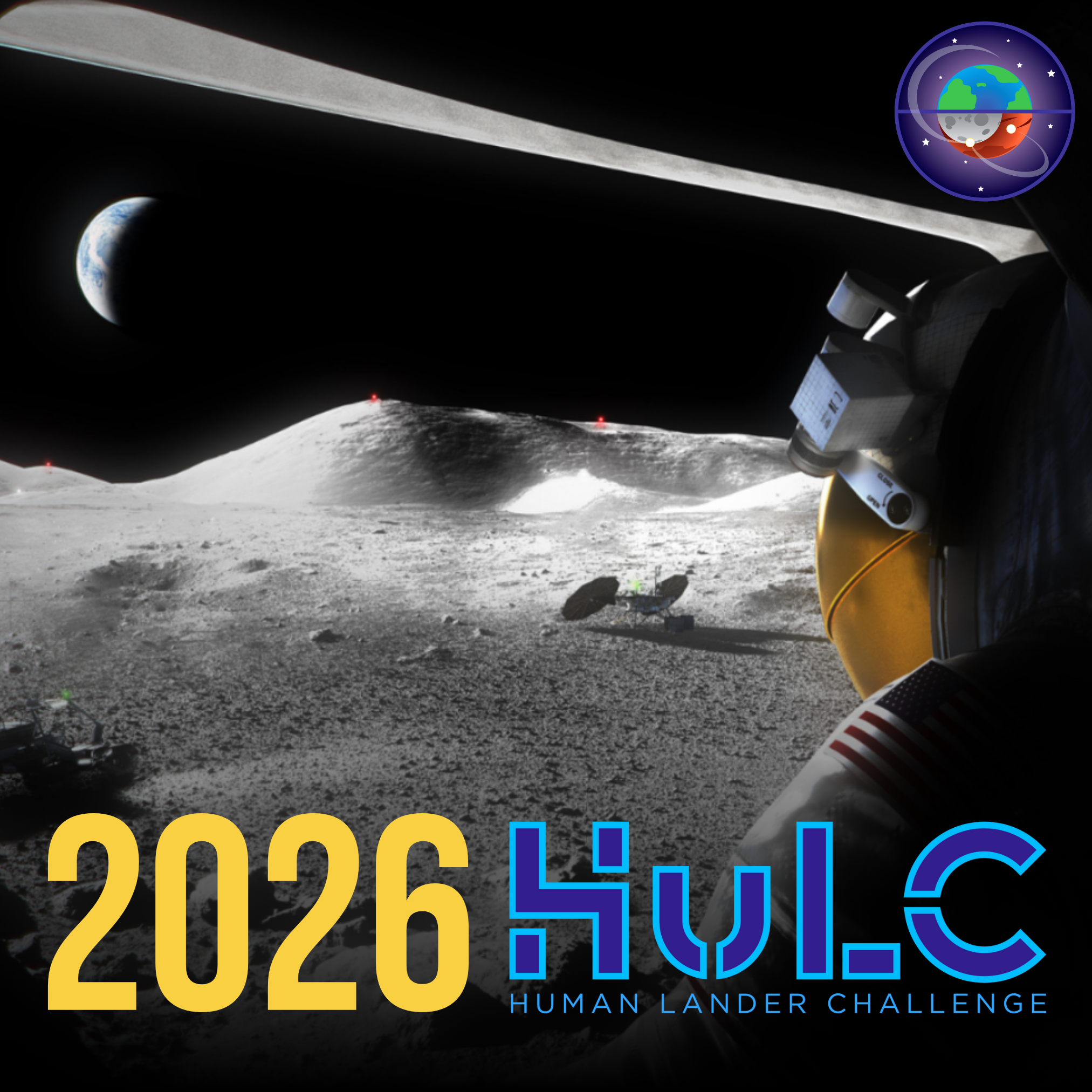
In an exciting development for space exploration, NASA has launched the 2026 Human Lander Challenge, a competition aimed at university students across the United States. This initiative seeks to inspire and harness the creativity of young minds to advance technologies essential for human life support and environmental control systems. As humanity sets its sights on extended missions to the Moon, Mars, and beyond, these systems will play a crucial role in ensuring astronaut safety and mission success.
The Human Lander Challenge is part of NASA’s broader efforts to encourage innovative solutions for long-duration human spaceflight, particularly under its Artemis campaign. Sponsored by the Human Landing System Program within NASA’s Exploration Systems Development Mission Directorate, the challenge seeks to address some of the most pressing technological needs for sustainable lunar exploration.
Participants in the 2026 competition will be undergraduate and graduate teams, along with their faculty advisors, from various U.S. colleges and universities. Their task is to develop groundbreaking, systems-level solutions aimed at enhancing the performance of a lander’s Environmental Control and Life Support System (ECLSS). These critical systems are responsible for providing astronauts with breathable air, clean water, and the safe disposal of waste, thereby creating a habitable environment on the Moon during crewed missions.
The competition focuses on four key subtopics within the realm of long-duration ECLSS:
Noise Suppression and Control: This involves minimizing the sound levels within the spacecraft, which is vital for maintaining astronaut health and comfort. Excessive noise can lead to stress and fatigue, adversely affecting the crew’s ability to perform their duties effectively.
Sensor Reduction in Hardware Health Monitoring Systems: This area explores ways to streamline sensors used in monitoring the health of spacecraft systems. Reducing the number of sensors without compromising functionality can decrease weight and complexity, ultimately enhancing the efficiency of space missions.
Potable Water Dispenser: Developing a reliable system for providing astronauts with safe drinking water is crucial for their survival. Innovations in this area can significantly improve water recycling processes, reducing the need for large amounts of water to be launched from Earth.
Fluid Transfer Between Surface Assets on the Moon and Mars: Efficient fluid transfer systems are essential for the movement of resources such as fuel, water, and other liquids between different lunar or Martian installations, facilitating the establishment of a sustainable human presence on these celestial bodies.
Kevin Gutierrez, acting office manager for the Human Landing Systems Missions Systems Management Office at NASA’s Marshall Space Flight Center, highlighted the importance of these systems. He explained, "A robust ECLSS transforms a spacecraft like a lander from just hardware into a livable environment, providing breathable air, clean water, and safe conditions for astronauts as they explore the Moon. Without ECLSS, we can’t sustain human presence on the Moon or take the next steps toward Mars."
For those interested in participating, teams are required to submit a non-binding notice of intent by October 20. The complete proposal packages are due by March 4, 2026. Following the evaluation of these proposals in Phase 1, up to 12 finalist teams will be selected. These teams will each receive a $9,000 stipend and advance to Phase 2, which includes a final design review scheduled to take place near NASA’s Marshall Space Flight Center in Huntsville, Alabama, from June 23-25, 2026. The top three teams from this phase will share a total prize of $18,000.
Currently, companies like SpaceX and Blue Origin are developing landers as part of NASA’s transportation systems to safely carry astronauts between lunar orbit and the Moon’s surface. These efforts are integral to the agency’s Artemis campaign, which is managed by NASA Marshall.
Administered by the National Institute of Aerospace on behalf of NASA, the Human Lander Challenge underscores the agency’s commitment to fostering innovation and preparing for human exploration beyond Earth. The Artemis campaign aims to explore the Moon for scientific discovery and economic benefits, while also laying the groundwork for the first crewed missions to Mars. This endeavor not only seeks to benefit humanity but also to inspire the next generation of explorers.
For those interested in learning more about the challenge and the application process, additional information is available on the official website: https://hulc.nianet.org/.
In conclusion, NASA’s 2026 Human Lander Challenge represents a significant opportunity for university students to contribute to the future of space exploration. By focusing on essential life support technologies, participants will play a vital role in ensuring that future astronauts can live and work safely on other celestial bodies. As we look to the skies and dream of new frontiers, initiatives like this challenge remind us of the endless possibilities that lie ahead in our quest to explore the universe.
For more Information, Refer to this article.