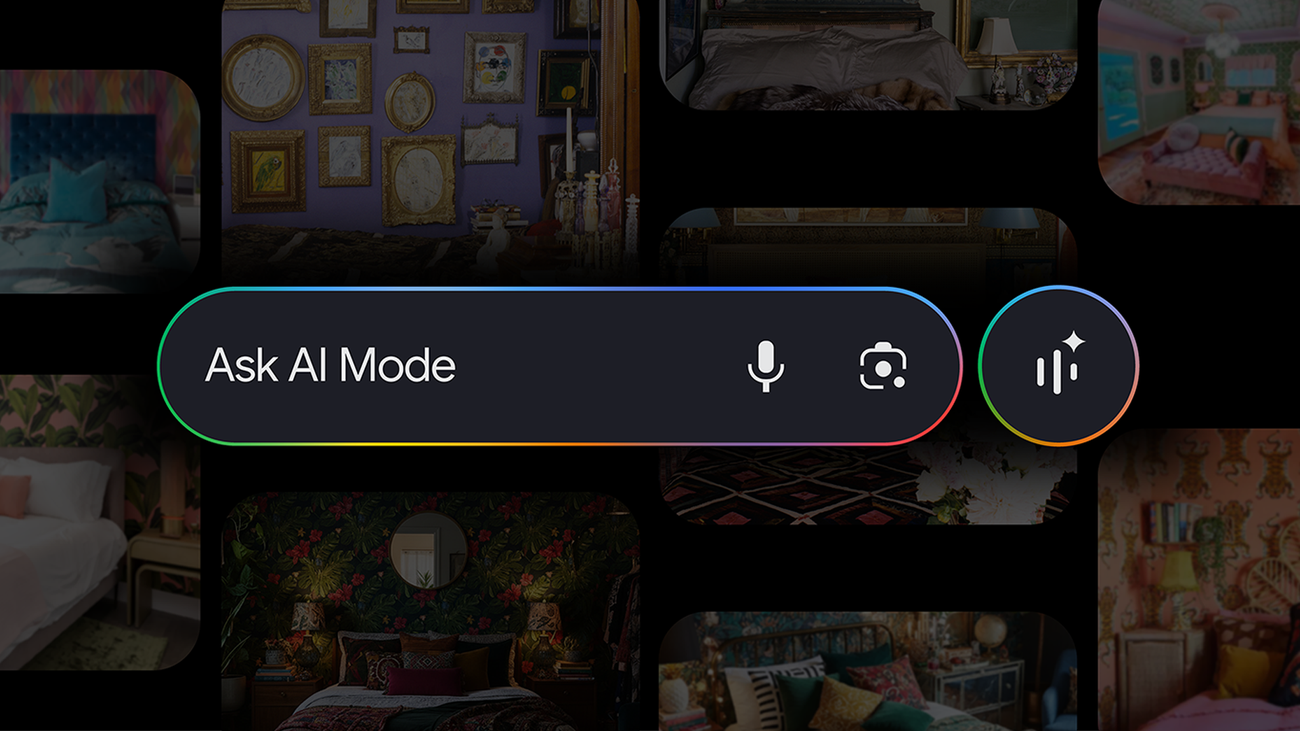
In the digital age, the way we search for information has evolved dramatically. We’ve all experienced that moment of staring at a screen, trying to articulate a search query for which words seem inadequate. Perhaps you’re on the hunt for a particular aesthetic for your home or a unique piece of clothing for the new season. It’s in these instances that traditional text-based searches can fall short. However, a groundbreaking update to Google’s AI Mode in its search engine is set to transform this experience, enabling users to convey their thoughts visually and receive an array of visual results.
### Enhancing Visual Search Capabilities
Starting today, Google Search’s AI Mode allows users to engage in a more conversational style of inquiry, delivering a variety of visual outcomes. This innovative approach facilitates a seamless search experience, letting users refine their queries in a manner that feels intuitive and personal.
Imagine you’re interested in exploring maximalist design ideas for your bedroom. With the new AI Mode, your vague concept can be transformed into a precise vision. The search results will display vibrant visuals that align with your desired theme. If you’re looking for more options, you can easily request images featuring dark colors or bold patterns. Each visual result is accompanied by a link, enabling you to delve deeper into any image that captures your interest. This multimodal experience also allows you to initiate your search by uploading an image or taking a photo.
### The Technology Behind AI Mode
The driving force behind this enhancement is Google’s integration of advanced artificial intelligence technologies. AI Mode employs machine learning algorithms to understand user intent and provide more relevant and personalized results. This approach goes beyond simple keyword matching, focusing instead on comprehending the context and nuances of user queries.
This update represents a significant leap forward in search technology. It leverages neural networks that can process visual data and text simultaneously, offering a more comprehensive search experience. These networks are designed to learn and improve over time, continuously refining their ability to deliver results that resonate with users.
### How AI Mode Benefits Users
For consumers, this development means a more efficient and satisfying search experience. The ability to communicate visually with a search engine opens up new possibilities for finding exactly what you’re looking for. Whether you’re a homeowner seeking design inspiration or a fashion enthusiast looking for the perfect outfit, AI Mode caters to a wide array of interests and needs.
Additionally, the conversational nature of this search method mimics natural human interaction, making it more accessible to users of all technological proficiency levels. The intuitive design ensures that even those unfamiliar with complex search queries can navigate the platform with ease.
### Impact on E-commerce and Marketing
The implications of AI Mode extend beyond individual users. For businesses, particularly in the realms of e-commerce and digital marketing, this technology offers new opportunities to engage with consumers. Companies can leverage visual search to showcase their products in a more dynamic and appealing way, potentially increasing conversion rates and customer satisfaction.
Marketers can also benefit from these advancements by tailoring their strategies to align with the visual search capabilities. By optimizing images and visual content, businesses can enhance their visibility and reach a broader audience. This shift towards a visual-centric search model could redefine marketing tactics, placing greater emphasis on high-quality imagery and creative presentation.
### Future Prospects and Developments
As AI technology continues to evolve, the potential for further innovations in search technology is immense. Google’s commitment to improving user experience through artificial intelligence suggests that we can expect even more sophisticated tools in the future. These advancements will likely focus on enhancing personalization, refining accuracy, and expanding the range of supported languages and cultures.
In the near future, we might see the integration of augmented reality (AR) and virtual reality (VR) elements into search experiences, further enriching the way users interact with information. Such developments could lead to more immersive and engaging search platforms, blurring the lines between the digital and physical worlds.
### Conclusion
The introduction of visual exploration capabilities in Google’s AI Mode marks a pivotal moment in the evolution of search technology. By enabling users to communicate their ideas visually, Google is setting a new standard for how we interact with digital information. This shift towards a more intuitive and personalized search experience not only benefits individual users but also presents exciting opportunities for businesses and marketers. As we look to the future, the possibilities for further innovation in this space are boundless, promising a new era of search that is as dynamic and diverse as the users it serves.
For more Information, Refer to this article.