Exploring Martian Geology: Curiosity Rover’s Latest Discoveries
Earth planning date: Friday, November 14, 2025
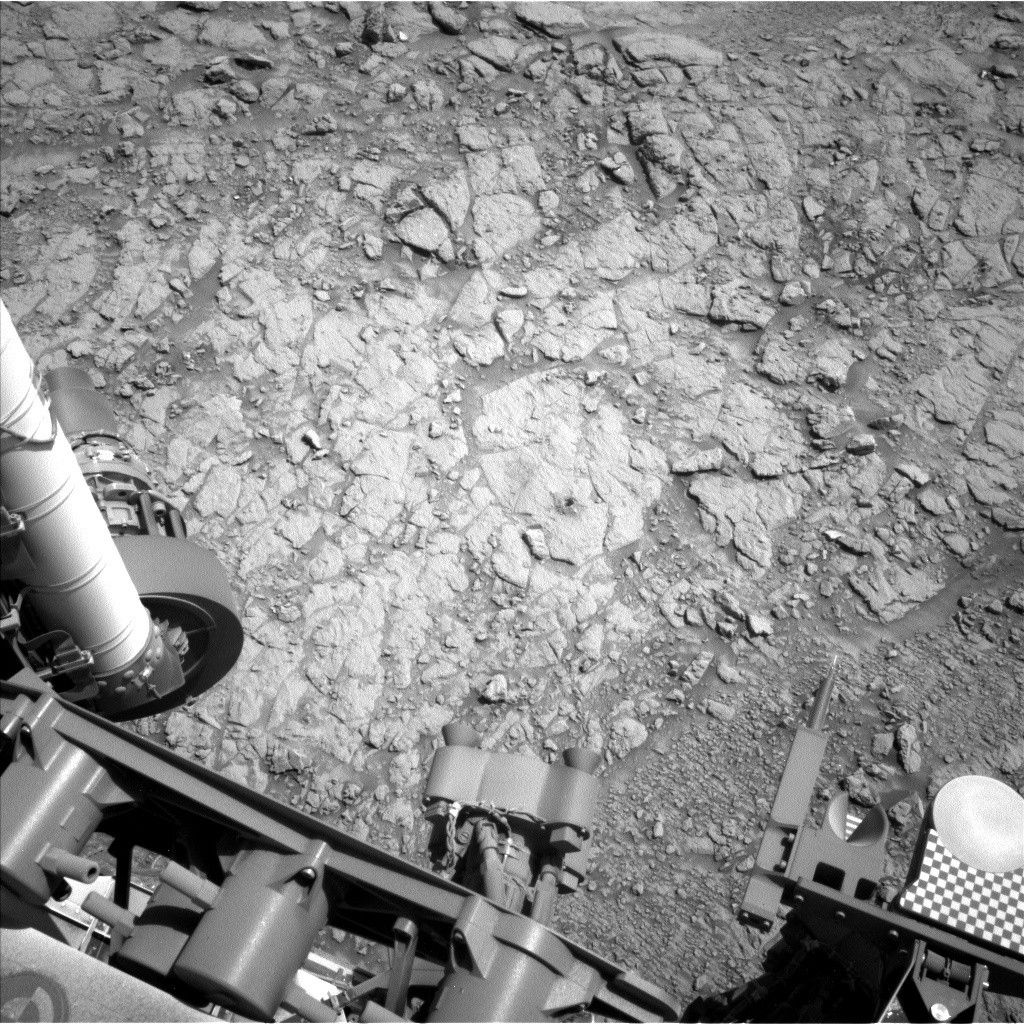
In a remarkable stride for Martian exploration, the Curiosity rover has successfully completed a key drilling operation on the "Nevado Sajama" target. This achievement marks an important milestone in the ongoing investigation of the Martian surface by NASA’s rover, which is currently positioned on a ridge within the geologically significant boxwork unit. The samples and data collected during this mission are expected to shed new light on the red planet’s geological history and composition.
Unveiling Martian Mysteries: The Drilling of Nevado Sajama
The highlight of the week for the Curiosity team was the successful drilling of the "Nevado Sajama" target. Prior to drilling, the team analyzed data collected by several of the rover’s instruments, including the Alpha Particle X-Ray Spectrometer (APXS), the Chemistry and Camera complex (ChemCam), and the Mars Hand Lens Imager (MAHLI). These tools provided detailed information about the chemistry and structure of the surrounding area, allowing scientists to proceed confidently with the drilling operation.
Before drilling, both the Nevado Sajama and another nearby target, "Tesoro del Pangal," were examined using APXS and ChemCam after being cleaned by the Dust Removal Tool (DRT). The analyses showed that the chemical composition of these targets was consistent with other ridge-top sites examined during the boxwork unit campaign. Additionally, MAHLI imaging revealed the presence of fine veins in both targets and confirmed that the structure of Nevado Sajama was stable enough for drilling. This was determined after rover engineers tested the target’s strength by applying pressure with the drill tip.
Insights from ChemCam and MAHLI
The ChemCam and MAHLI instruments played a crucial role in this mission. ChemCam is capable of examining the elemental composition of rocks and soil from a distance by using a laser to vaporize a small part of the surface and then analyzing the emitted light. This method allows scientists to determine the chemical makeup of the targets quickly and effectively. Meanwhile, MAHLI, which is akin to a magnifying glass, provided detailed images of the rock surfaces, revealing structural features such as veins and textures.
The investigation focused on areas where broken bedrock faces were exposed. These areas, named "Arenas Blancas," "Camarones," and "Exaltación," displayed bright white and gray materials. The presence of these materials is particularly intriguing as they may offer clues about the past presence of fluids in the region, which could have contributed to the erosion resistance of the boxwork ridges.
Understanding Martian Water Content
The Dynamic Albedo of Neutrons (DAN) instrument also collected valuable data during this period. DAN is designed to measure the hydrogen content in the Martian soil, which can provide indirect information about the presence of water. By analyzing the data collected over several Martian days, or sols, scientists hope to better understand the water content of the ridge and how it has influenced the local geology.
Building a Comprehensive View with Mastcam
The Mast Camera (Mastcam) has been busy capturing images to create a large mosaic of the rover’s current location. This comprehensive visual map will include both the Nevado Sajama and another drill target, "Valle de la Luna," situated in a nearby hollow. This visual documentation will be essential for contextualizing the geological features and understanding the spatial relationships between different targets.
Systematic Environmental Monitoring
In addition to its geological investigations, Curiosity continues to contribute to a long-term environmental dataset that has been built over the last 13 years. The Rover Environmental Monitoring Station (REMS) and the Radiation Assessment Detector (RAD) have been consistently recording weather and radiation data on Mars and in the surrounding space environment. This information is crucial for understanding the Martian atmosphere and preparing for future human missions.
Mastcam and the Navigation Camera (Navcam) have also been measuring atmospheric dust levels and observing for clouds and dust devils—small, rotating columns of dust that can occur on Mars. These observations help scientists understand the dynamic weather patterns on the planet.
What’s Next: Analyzing Drilled Samples
The drilling activity at Nevado Sajama was completed on Sol 4718, and now the team eagerly anticipates the analysis of the collected material. The first portions of the drilled samples will be delivered to the Chemistry and Mineralogy (CheMin) instrument this weekend. CheMin uses X-ray diffraction to identify and quantify the minerals present in the samples. By comparing these results to the mineralogical data from the nearby Valle de la Luna, scientists hope to gain fresh insights into the formation and evolution of the boxwork unit.
Conclusion
The Curiosity rover’s recent drilling operation at Nevado Sajama is a testament to the ongoing success of the Mars Science Laboratory mission. By combining advanced instrumentation and careful analysis, the team continues to uncover the rich geological history of Mars. These findings not only enhance our understanding of the red planet but also lay the groundwork for future exploratory missions. As we await the forthcoming results from CheMin, the scientific community and space enthusiasts alike remain excited about what new discoveries lie ahead in the quest to unravel the mysteries of Mars.
For more Information, Refer to this article.