
























In recent years, the demand for in-orbit data processing and storage capabilities has surged, primarily driven by the exponential growth in artificial intelligence (AI) workloads. This burgeoning field has caught the attention of global tech giants, with significant strides being made, particularly in the United States and China. However, Europe finds itself at a crucial crossroads. The European Space Policy Institute (ESPI) has raised concerns that without a strategic and large-scale approach, Europe risks falling behind in establishing a robust space-based data infrastructure.
The Push for Space-Based Data Centers
The concept of space-based data centers is becoming increasingly tangible as speculative discussions are turning into concrete research and development (R&D) efforts. These data centers are essentially high-tech facilities located in orbit, designed to store and process massive amounts of data. The advantage of having data centers in space lies in their ability to handle the growing demands of AI without the restrictions faced by terrestrial data centers, such as cooling and space constraints.
In a recent report, ESPI highlighted that in the past five years, approximately 70 million euros, or about 81 million dollars, have been invested in ventures related to space-based data centers. This investment reflects the growing interest and potential in this field. Notable startups like Lonestar, based in Florida, and Starcloud, headquartered in Washington, have been at the forefront of this revolution. Starcloud recently made headlines with the deployment of its first small satellite, equipped with an Nvidia processor capable of running AI models in orbit.
The Technical Challenges
Despite the promising potential, establishing operational space-based data centers comes with formidable technical challenges. For instance, to achieve commercially viable capacity, ventures like Starcloud would require extensive solar arrays and radiators in orbit to manage the significant heat generated by the processing activities. This requirement points to one of the key engineering hurdles: thermal management.
Furthermore, while launch costs have decreased over the years, making space more accessible, the affordability and logistics of launching and assembling large-scale infrastructure in orbit remain significant challenges. Europe has made some progress with initiatives like ESA’s PhiSat AI processing missions and studies funded by the European Union. However, ESPI warns that these efforts are still in the early stages compared to the advancements being made by other global players.
Global Advancements in Space-Based Computing
Globally, the momentum is undeniable. In the U.S., NASA is actively managing over two dozen AI-driven edge computing projects. These projects include experiments on the International Space Station that process sensor data directly in space, reducing the need to transmit raw data back to Earth. This approach not only saves time but also addresses the issue of bandwidth limitations.
China, on the other hand, has embarked on an ambitious project with the launch of the first 12 satellites of its planned Three-Body Computing Constellation. This constellation, envisioned to comprise 2,800 satellites, aims to create a vast AI computing network in space. The goal is to perform heavy processing tasks in orbit, thereby reducing latency and easing downlink bottlenecks.
The Economic Implications
The economic implications of this technological shift are profound. According to McKinsey analysts, the data center industry could require an investment of up to $6.7 trillion by 2030, with AI workloads driving approximately $5.2 trillion of that demand. This projection underscores the pressing need for advanced data processing and storage solutions.
Claude Rousseau, a research director at Analysys Mason, emphasizes the growing necessity for storage and processing capabilities in space. He notes that this trend complements terrestrial data center markets and meets the increasing demand for connectivity from government customers. The integration of AI and the need for data security further drive the case for space-based data centers.
The Vision of Industry Leaders
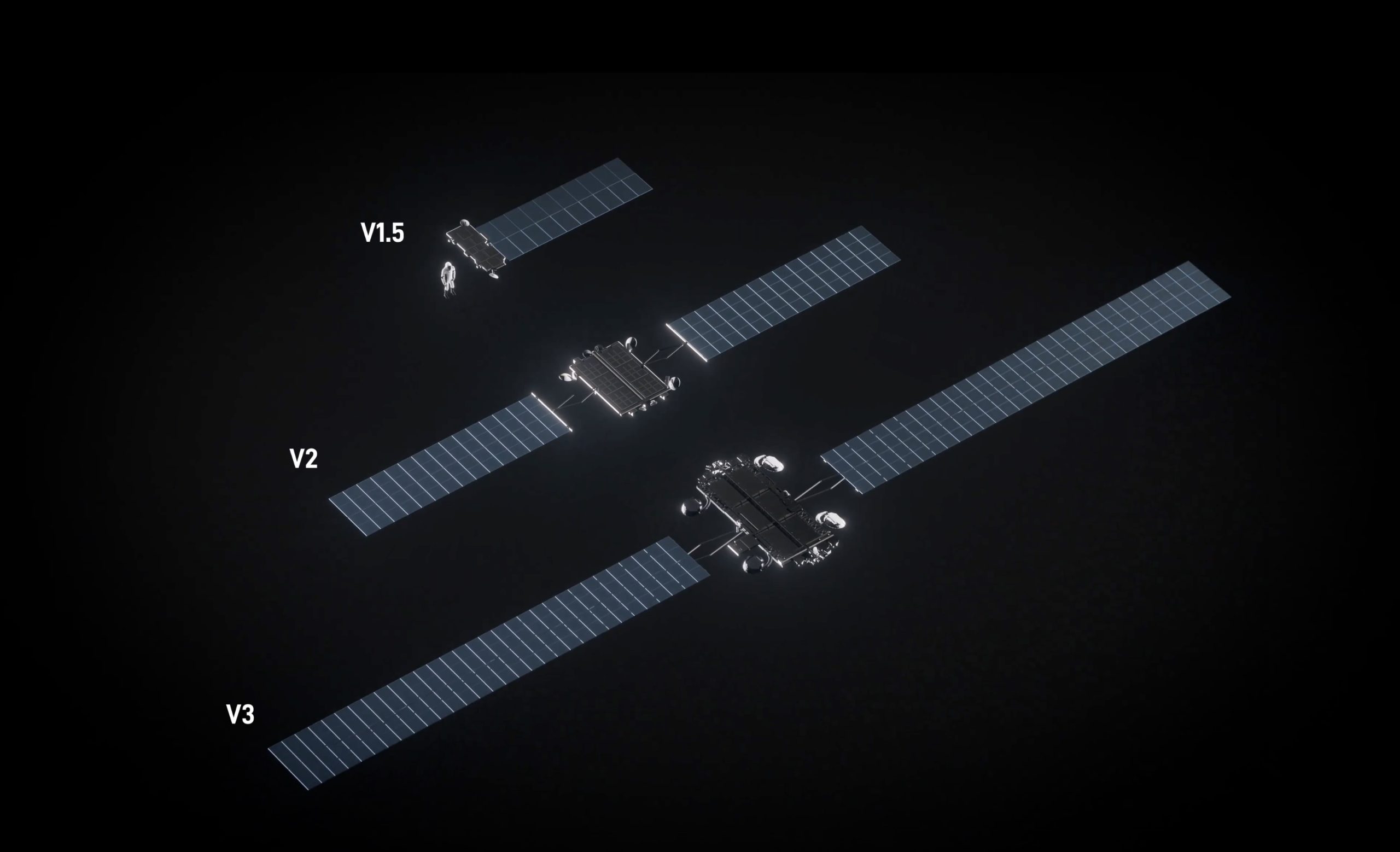
Industry leaders have been vocal about the future of space-based data centers. Elon Musk, through his company SpaceX, is actively exploring the potential of transforming Starlink satellites into orbiting data centers. These satellites, linked via high-speed lasers, could provide much-needed data processing capabilities in space. Musk expressed confidence that SpaceX would pursue this venture.
Similarly, Jeff Bezos, founder of Amazon and Blue Origin, has predicted that gigawatt-scale data centers could be deployed in space within the next 10 to 20 years. Amazon, which owns the cloud computing giant Amazon Web Services, is also rolling out a low Earth orbit broadband constellation, Amazon Leo, to compete with Starlink.
Europe’s Strategic Dilemma
As these developments unfold, Europe faces a strategic dilemma. ESPI warns that without swift and coordinated action, Europe risks becoming dependent on foreign orbital compute capabilities. To address this, the think tank has made several recommendations for the European Union.
Recommendations for Europe:
- Launch a European Space-Based Data Centre Initiative: This initiative should be part of the 2028–2034 Horizon Europe Moonshot Projects, aiming to establish Europe as a leader in space-based data infrastructure.
- Leverage Existing Programs: Utilize the European Space Agency’s General Support Technology Programme (GSTP) and the Advanced Research in Telecommunications Systems (ARTES) program as public-private testbeds. These platforms can help mature the necessary technologies for space-based data centers.
- Develop a Phased Roadmap: Establish a comprehensive roadmap that goes beyond R&D and focuses on the commercial deployment of orbital compute solutions. This roadmap should outline clear milestones and objectives to guide Europe’s efforts in this domain.
Conclusion
In conclusion, the race to establish space-based data centers is heating up, with significant implications for the future of digital infrastructure. As global players make strides in this field, Europe must act decisively to secure its position in the space-based data economy. By investing in strategic initiatives and leveraging existing programs, Europe can ensure its competitiveness and independence in this rapidly evolving landscape.
For more Information, Refer to this article.