






























Enhancing AI Literacy and Efficiency in Swedish Education
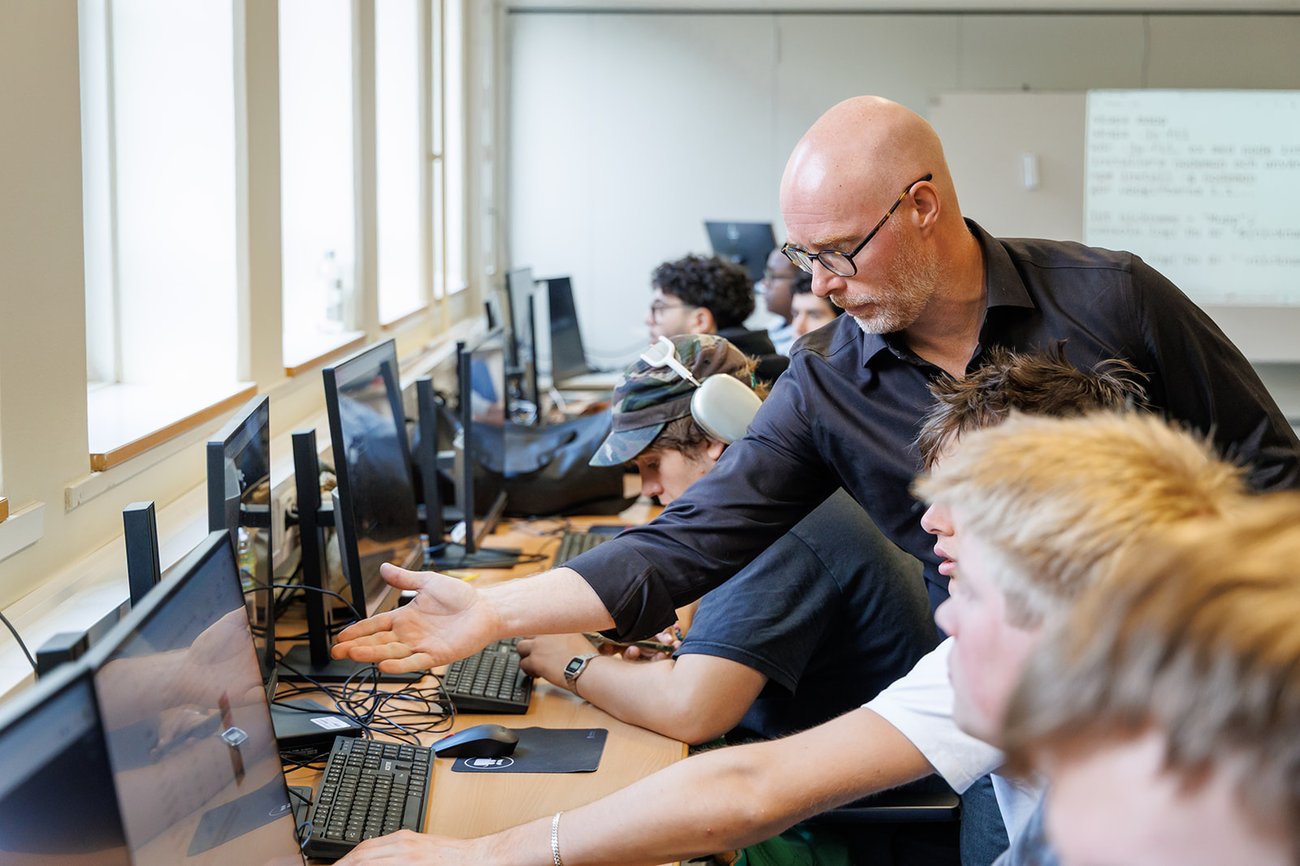
In a groundbreaking collaboration, school districts throughout Sweden are integrating AI technology into their educational frameworks, aiming to revolutionize the teaching and learning experience. This effort is being spearheaded through the implementation of Gemini for Education, a cutting-edge AI tool designed to enhance educational outcomes. Approximately 30,000 students and faculty members across various Swedish schools are now part of this transformative initiative. The integration of Gemini for Education is widely regarded as a significant advancement in the educational sector, providing teachers with the resources necessary to produce high-quality, customized learning materials efficiently.
Johan Kellén, a teacher and ICT Coordinator at Linköping Municipality, has highlighted the traditional challenges educators face in creating effective teaching materials. Typically, developing such resources is a time-intensive process, requiring educators to construct materials from scratch, ensuring they are current and tailored to the specific needs of each class and, in some cases, individual students. This is where Gemini for Education steps in, offering a solution that not only streamlines this process but also enhances the quality of educational materials.
The introduction of Gemini for Education is described by many educators as "revolutionary." By automating and optimizing the creation of teaching resources, teachers can now allocate more time to direct interaction with their students, fostering a more engaging and supportive learning environment. This shift allows educators to focus on teaching and mentoring rather than the administrative burden of material preparation.
To facilitate the adoption of this AI technology, school districts have organized workshops aimed at empowering educators. These workshops provide teachers with the necessary tools and knowledge to effectively utilize Gemini. Additionally, there is a concerted effort to engage older students in discussions about the potential of AI as a study aid, particularly through Guided Learning mode. This approach underscores the belief that AI literacy is a shared responsibility, involving both educators and students.
Norway’s Commitment to Secure Digital Learning
In a significant move to ensure digital privacy and security in education, Norway has recently completed a national Data Protection Impact Assessment (DPIA). This assessment paves the way for the use of Google Workspace for Education and ChromeOS in Norwegian schools, marking a new era in the country’s approach to digital learning. The completion of the DPIA is the result of a collaborative effort between Google Cloud and the Norwegian Association of Local and Regional Authorities (KS). This partnership is a testament to the efficiency and effectiveness of public sector initiatives.
The centralized approach taken by KS in conducting the DPIA has proven to be highly efficient, eliminating the need for individual municipalities to undertake their own complex assessments. This not only streamlines the process but also ensures that Google tools meet the stringent requirements of the General Data Protection Regulation (GDPR). By addressing these compliance requirements centrally, local resources can be redirected towards innovation and the enhancement of educational experiences rather than administrative compliance tasks.
Norway’s emphasis on building trust and fostering partnerships with technology providers like Google has resulted in the establishment of a secure and innovative learning environment for students. This initiative has significantly reduced the burden on IT administrators, saving both time and resources. The move demonstrates Norway’s commitment to prioritizing student safety and privacy while leveraging technological advancements to enhance educational outcomes.
Broader Implications and Global Context
The initiatives undertaken by Sweden and Norway are reflective of a broader global trend towards the integration of AI and digital technologies in education. These efforts underscore the potential of technology to transform educational practices, making them more efficient, inclusive, and effective. By embracing AI tools like Gemini for Education, Swedish schools are setting a precedent for how technology can be harnessed to improve teaching and learning processes.
Similarly, Norway’s focus on digital privacy and security highlights the importance of safeguarding student data in an increasingly digital world. The successful completion of the DPIA serves as a model for other countries looking to implement digital tools in education while ensuring compliance with international data protection standards.
Conclusion
The collaborative initiatives in Sweden and Norway represent significant strides towards modernizing education through technology. By integrating AI tools and prioritizing digital privacy, these countries are not only enhancing the educational experience for students and teachers but also setting a benchmark for others to follow. The experiences of Sweden and Norway provide valuable insights into the potential of technology to transform education and the importance of collaboration and trust in the successful implementation of digital initiatives. As these countries continue to lead the way, they offer a blueprint for others seeking to navigate the complex landscape of technology in education.
For more Information, Refer to this article.







