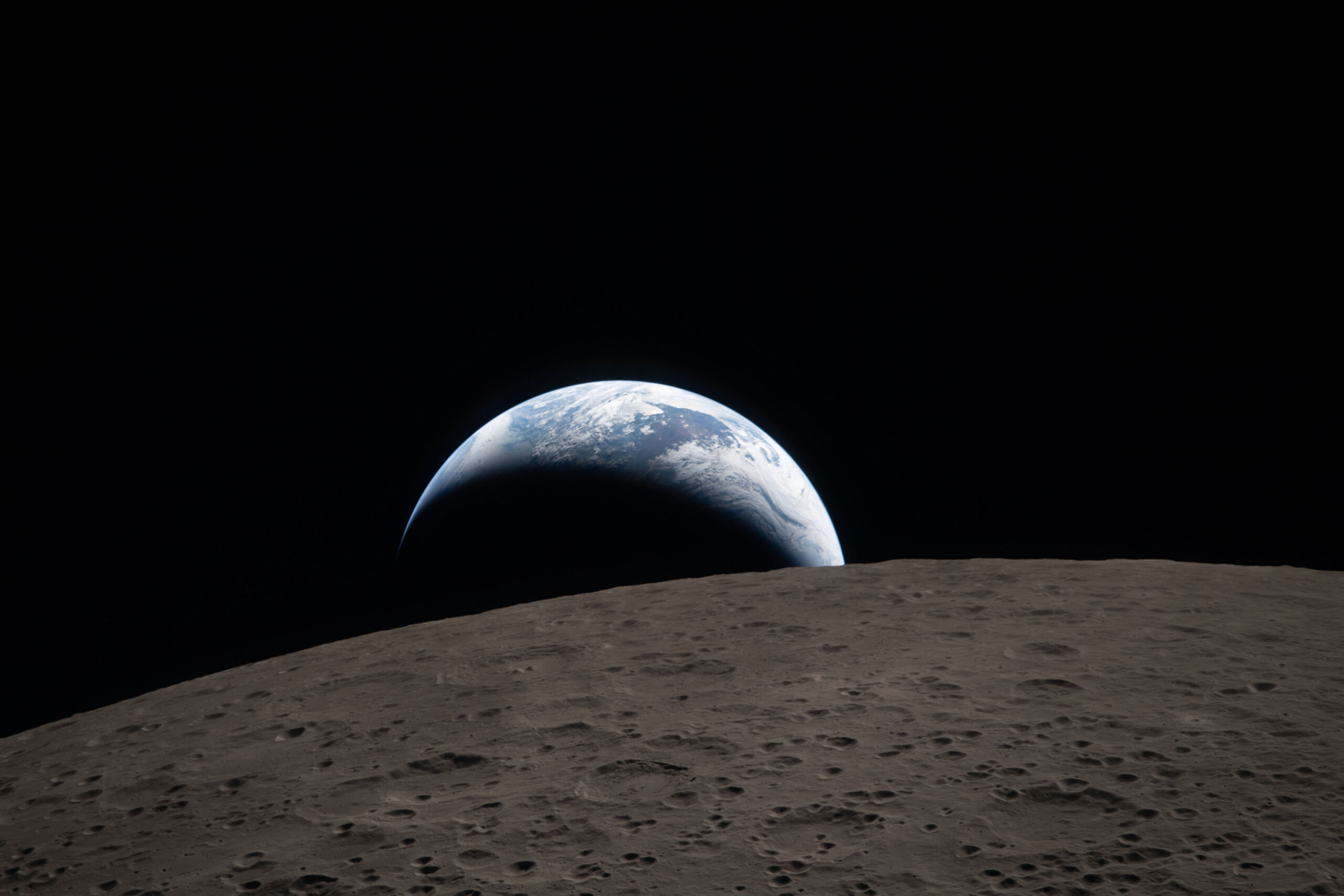
Artemis II Crew Captures Stunning Views of Earth and the Moon
The Artemis II crew made headlines on April 6, 2026, as they successfully completed a historic lunar flyby, capturing breathtaking images of Earth setting against the backdrop of the Moon. This mission marks a significant milestone in NASA’s ongoing efforts to return humans to lunar exploration, providing valuable insights into both the Moon’s surface and Earth’s perspective from space.
Historic Flyby and Scientific Observations
During their journey around the Moon, the Artemis II astronauts documented various terrain features, including impact craters, ancient lava flows, and surface cracks. These observations are crucial for scientists seeking to understand the Moon’s geological history and evolution. The crew noted distinct variations in color, brightness, and texture across the lunar surface, which offer clues about its composition.
The images captured during this flyby not only serve scientific purposes but also evoke nostalgia for iconic moments in space exploration history. The crew’s photographs draw parallels with the famous “Earthrise” image taken by astronaut Bill Anders during the Apollo 8 mission in 1968. Apollo 8 was notable for being the first crewed spacecraft to orbit the Moon, paving the way for future lunar missions.
Comparative Analysis with Apollo 8
The similarities between the Artemis II mission and Apollo 8 highlight a continuum in human space exploration. While Apollo 8 provided humanity’s first view of Earth from lunar orbit, Artemis II aims to build on that legacy by not only revisiting these celestial landmarks but also advancing scientific understanding of our nearest neighbor.
The photographs taken by Artemis II astronauts reveal more than just stunning visuals; they represent decades of technological advancement in space travel. The equipment used today is far more sophisticated than what was available during the Apollo missions, allowing for higher-resolution imaging and more detailed analysis of lunar features.
The Importance of Lunar Exploration
Lunar exploration plays a vital role in understanding both our planet and potential future endeavors in space. The data collected during missions like Artemis II can inform future manned missions to Mars and beyond. By studying the Moon’s geology and environment, scientists can gain insights into planetary formation processes that apply to other celestial bodies.
Moreover, understanding lunar resources is crucial for sustainable human presence on other planets. The Moon may serve as a staging ground for deeper space exploration due to its proximity to Earth and potential resources such as water ice that could support future missions.
Looking Ahead: The Future of Artemis Missions
The success of Artemis II sets a precedent for upcoming missions under NASA’s Artemis program. With plans for further lunar landings and eventual human exploration of Mars, each mission builds upon lessons learned from previous endeavors. As technology continues to evolve, so too will humanity’s capacity to explore and inhabit other worlds.
For those interested in following this journey closely, NASA has made available a dedicated multimedia page featuring an array of imagery from Artemis II. This resource allows enthusiasts and researchers alike to engage with real-time updates from one of humanity’s most ambitious explorations yet.
What This Means
The achievements of Artemis II underscore not only technological progress but also humanity’s enduring curiosity about space. As astronauts capture stunning views of Earth from afar, they remind us of our shared home while advancing scientific knowledge that could shape future explorations. The insights gained from this mission will contribute significantly to our understanding of both lunar geology and broader planetary science.
For more information, read the original report here.