Nasa’s Artemis II Mission Offers Stunning Views of Earth from Space
NASA recently unveiled breathtaking images of Earth captured during the Artemis II mission, which is currently orbiting the Moon. These photos showcase our planet against the vastness of space, highlighting auroras, city lights, and diverse landscapes. The imagery raises intriguing questions about the brightness of urban areas and the nature of various atmospheric phenomena.
Stunning Imagery Captured from Space
The images released by NASA depict Earth in a striking manner, with auroras illuminating the atmosphere and city lights outlining continents. Observers can see brown deserts transitioning into vibrant green vegetation, offering a stark contrast that emphasizes the planet’s ecological diversity. The clarity of these photographs invites viewers to ponder their significance. Are urban areas truly as illuminated as they appear? What types of clouds are visible over the Atlantic Ocean? The answers to these questions lie in the data collected by NASA’s extensive network of satellites.
The Role of Satellites in Understanding Earth
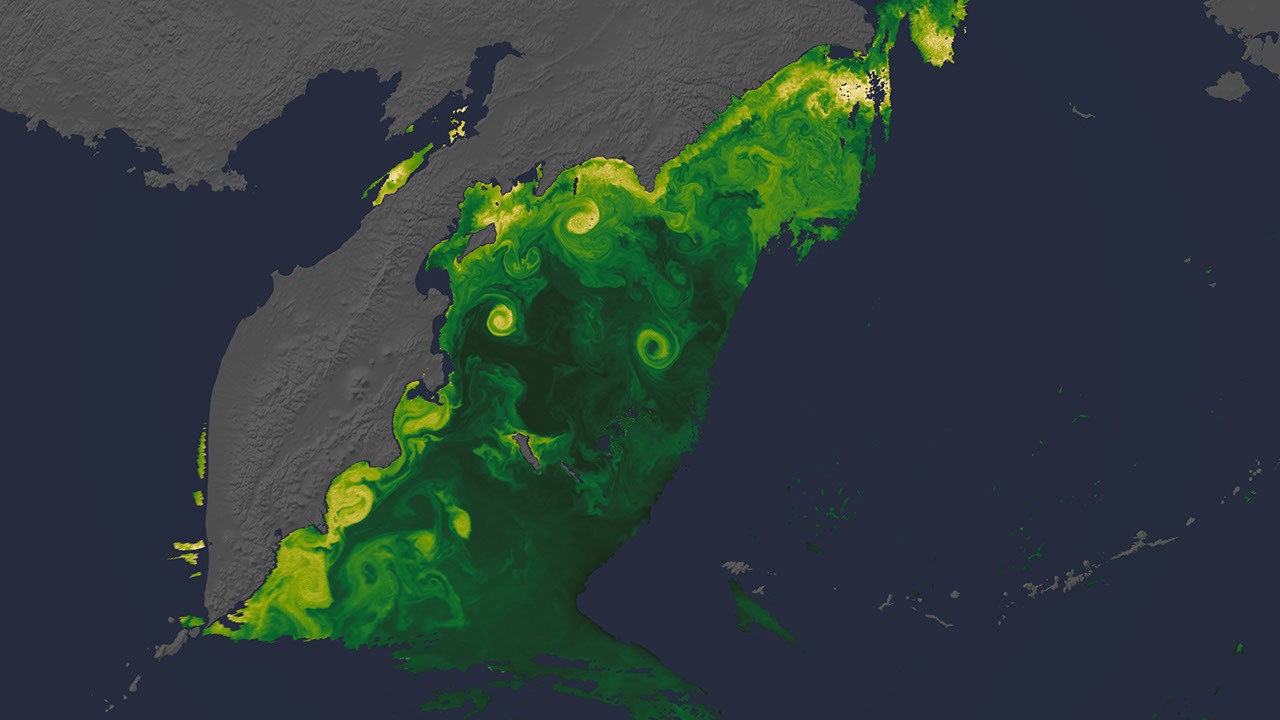
To unravel the mysteries depicted in these images, NASA employs a sophisticated fleet of satellites that continuously monitor Earth’s atmosphere, oceans, and land surfaces. One notable satellite is the Plankton, Aerosol, Cloud, ocean Ecosystem (PACE) satellite, which was launched in February 2024. PACE is designed to provide unique insights into various aspects of our planet’s environment.
PACE will focus on understanding how different elements interact within Earth’s systems. It will gather data on ocean health, atmospheric conditions, and land ecosystems. This information is crucial for scientists studying climate change and its impact on global ecosystems. By analyzing data from PACE and other satellites, researchers can gain a clearer picture of how human activity influences natural processes.
Understanding Atmospheric Phenomena
The images captured during Artemis II also highlight various atmospheric phenomena that can be analyzed using satellite data. For example, the bright city lights seen from space can indicate urban growth and development patterns. Similarly, cloud formations over oceans can provide insights into weather patterns and climate systems.
Satellites like PACE are equipped with advanced sensors that measure light reflected off Earth’s surface and atmosphere. This technology allows scientists to distinguish between different types of aerosols (tiny particles suspended in air), clouds, and even phytoplankton concentrations in oceans. By studying these elements, researchers can better understand their roles in climate regulation and weather forecasting.
The Importance of Continuous Monitoring
The continuous monitoring provided by NASA’s satellite network is essential for addressing global challenges such as climate change and environmental degradation. As human activities increasingly impact natural systems, having access to real-time data becomes vital for informed decision-making.
Satellites offer a unique advantage by providing a comprehensive view of Earth’s systems from space. This perspective allows scientists to observe changes over time—whether it be deforestation rates or shifts in ocean temperatures—enabling them to develop strategies for mitigation and adaptation.
What This Means for Future Research
The insights gained from missions like Artemis II and satellites such as PACE will significantly contribute to scientific understanding of our planet. As researchers analyze this data, they will be better equipped to address pressing environmental issues while enhancing public awareness about climate change impacts.
Moreover, the collaboration between space exploration initiatives and environmental monitoring underscores the importance of interdisciplinary approaches in tackling global challenges. The knowledge gained from these endeavors not only enriches scientific research but also informs policy decisions aimed at preserving Earth’s ecosystems for future generations.
For more information, read the original report here.