














![[Video] Samsung Color E-Paper: A Smarter Alternative to Traditional Posters](https://www.hawkdive.com/media/samsung-tvs-and-displays-samsung-color-e-paper-samsung-vxt-digital-signage_thumb932-218x150.jpg "Samsung introduces Color E-Paper as innovative poster alternative.")







Experiencing Earth from Space: The Transformative Power of the Overview Effect
To witness Earth from the vastness of space is an experience that leaves an indelible mark on those fortunate enough to gaze upon it from above. Since the historic moment when Alan Shepard first viewed our planet from space, numerous astronauts from NASA have reported feeling deeply moved by the sight, leading to a significant shift in their perspective on life and the world.
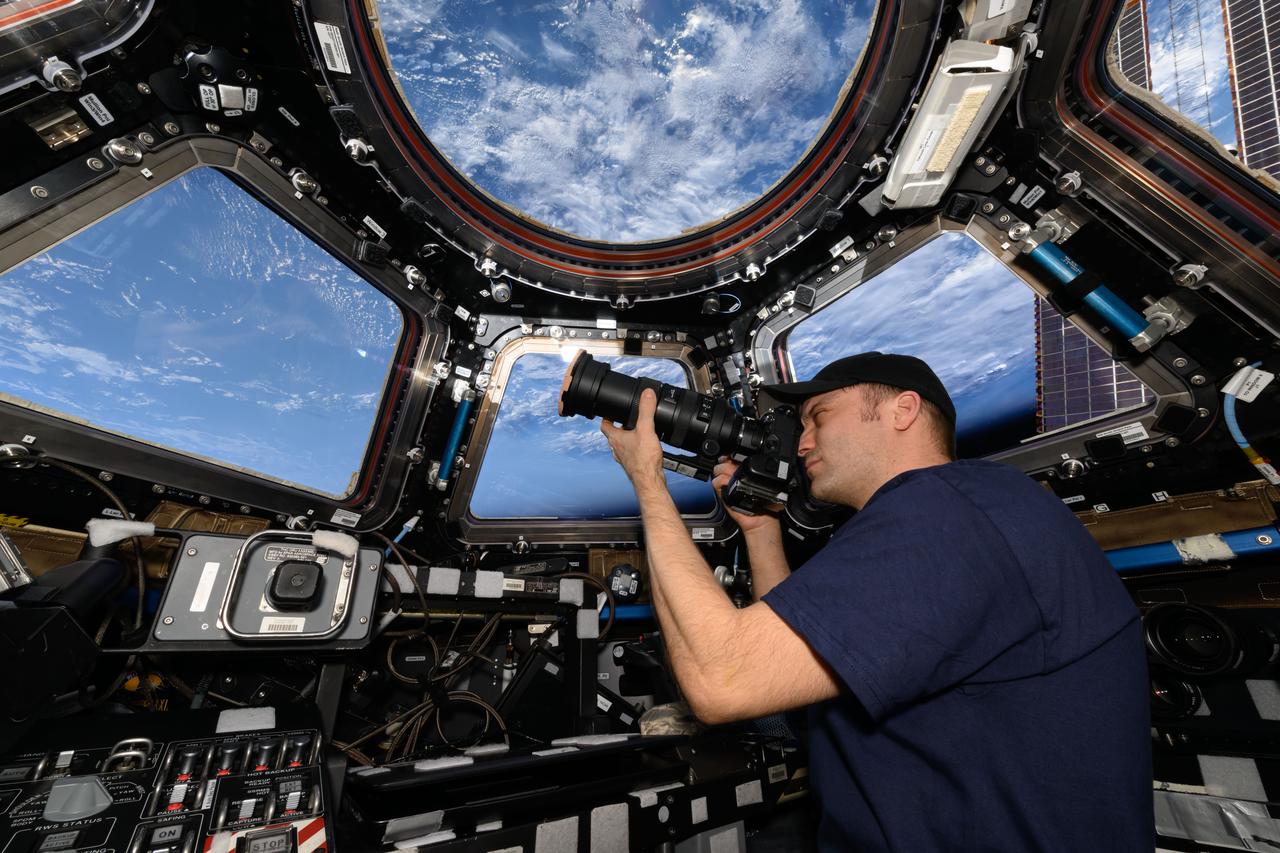
This profound transformation is known as the "overview effect," a term introduced in 1987 by space philosopher and author Frank White in his book of the same name. The overview effect encapsulates the powerful changes in thought processes experienced by astronauts who have viewed Earth from space. This phenomenon is particularly pronounced for those who have spent time aboard the International Space Station (ISS), an orbiting laboratory that has hosted humans continuously for over 25 years. The ISS is equipped with a special observation module known as the cupola, which features seven windows that offer unparalleled views of Earth, providing astronauts with a unique vantage point for contemplation and reflection.
Artemis II Mission Specialist Christina Koch eloquently described the overview effect: "The overview effect is when you’re looking through the cupola and you see the Earth as it exists with the whole universe in the background. You see the thin blue line of the atmosphere, and then when you’re on the dark side of the Earth, you actually see this very thin green line that shows you where the atmosphere is. What you realize is every single person that you know is sustained and inside of that green line and everything else outside of it is completely inhospitable. You don’t see borders, you don’t see religious lines, you don’t see political boundaries. All you see is Earth and you see that we are way more alike than we are different."
Koch’s colleague on the Artemis II mission, NASA astronaut Victor Glover, adds another layer to the discussion by introducing the concept of the "sea level effect," which ties back to humanity’s shared experiences on Earth. Glover explains, "You come back to sea level, and then you have a choice. Are you going to try to live your life a little differently? Are you going to really choose to be a member of this community of Earth?"
The insights gained from the overview effect often emphasize the importance of unity among humans. Former NASA astronaut Bob Behnken reflects on this by saying, "You see that it’s a single planet with a shared atmosphere. It’s our shared place in this universe. I think that perspective, as we go through things like the pandemic or we see the challenges across our nation or across the world, we recognize that we all face them together."
Astronauts’ perceptions of home also evolve as a result of their experiences in space. Nicole Stott, a former NASA astronaut, recalls her desire to see her home state of Florida during her initial mission to the ISS. "Finally, we were flying over Florida. I wanted to go to the window and see it, and then realized somewhere down the line that I wasn’t looking at Florida that same way anymore," she shares. "I still wanted to see Florida, but Florida had just become this special part of home, which is Earth. We’re all earthlings."
For some astronauts, the overview effect serves as a catalyst for changes in their personal lives and actions on Earth. Retired NASA astronaut Mike Foreman notes, "I think if you’re not a conservationist before you go to space, you’re at least partly a conservationist when you come back. Because when you see how thin that atmosphere is, that protective layer that we have here, you think, wow, we really have to take care of this because it does look so fragile from space."
Others are inspired to share the transformative power of the overview effect with a wider audience. Former NASA astronaut Jack Fischer expresses his desire to extend this experience, saying, "That perspective helps you grow. It has really inspired me to try to get more people this experience and to get a permanent foothold in the stars for our species. I want to do everything I possibly can to help the human species, humanity as a whole, go further and grow and evolve like I know they’re capable of."
Future crews journeying to the ISS can anticipate similar experiences. Retired NASA astronaut T.J. Creamer recounts the emotional impact of seeing Earth from the cupola: "In that instant, when you’re overwhelmed with that vista, when your eyes see nothing but the beauty of the Earth – every single crew member that I brought in [the cupola] for that exposure, cried. It is heart stopping. It is soul pounding. It is breathtaking."
The overview effect not only alters astronauts’ perceptions but also fosters a deeper understanding of our interconnectedness and shared responsibility as inhabitants of this planet. As humanity continues to explore space and reach new frontiers, the insights gained from these experiences offer valuable lessons and reminders of our collective duty to care for our home, Earth.
For those interested in further exploring the profound impact of space travel on astronauts’ perspectives, NASA offers a captivating video titled "Down to Earth" available on NASA+, where viewers can hear more firsthand accounts from astronauts who have experienced the overview effect during their missions on the International Space Station.
For more Information, Refer to this article.