














![[Video] Samsung Color E-Paper: A Smarter Alternative to Traditional Posters](https://www.hawkdive.com/media/samsung-tvs-and-displays-samsung-color-e-paper-samsung-vxt-digital-signage_thumb932-218x150.jpg "Samsung introduces Color E-Paper as innovative poster alternative.")







Imagine you’re nearing the end of a long-haul flight across the ocean, your excitement building as the in-flight tracker shows your plane closing in on your destination. But then, to your dismay, you notice the aircraft veering off course, looping away from the airport, only to circle back repeatedly. This frustrating experience—where a flight can remain in a holding pattern for an hour or more before landing—often stems from a complex issue known as trajectory prediction errors.
Trajectory prediction involves estimating the future path and timing of an aircraft as it travels from its origin to its destination. This process is crucial for ensuring that flights are on schedule, but the dynamic nature of air travel—affected by factors like weather conditions, air traffic, and unexpected changes in the flight path—can disrupt these predictions. Such deviations can lead to significant delays, causing inconvenience for passengers and economic losses for airlines.
Shivanjli Sharma, who leads NASA’s Air Traffic Management–eXploration (ATM-X) project at the Ames Research Center in California, elaborates on this issue. “When there’s a change in your trajectory—whether arriving a bit early or late—you can find yourself caught in a lengthy holding pattern,” Sharma explains. This scenario not only inconveniences travelers but also poses challenges for the aviation industry, which strives for efficiency.
To tackle this issue, NASA has been actively researching more accurate trajectory prediction methods. Recently, they partnered with Boeing to test a cutting-edge data communication system designed to enhance the information exchange between aircraft, air traffic control, and airline operations. This collaboration aims to improve the precision of trajectory predictions and reduce unnecessary delays.
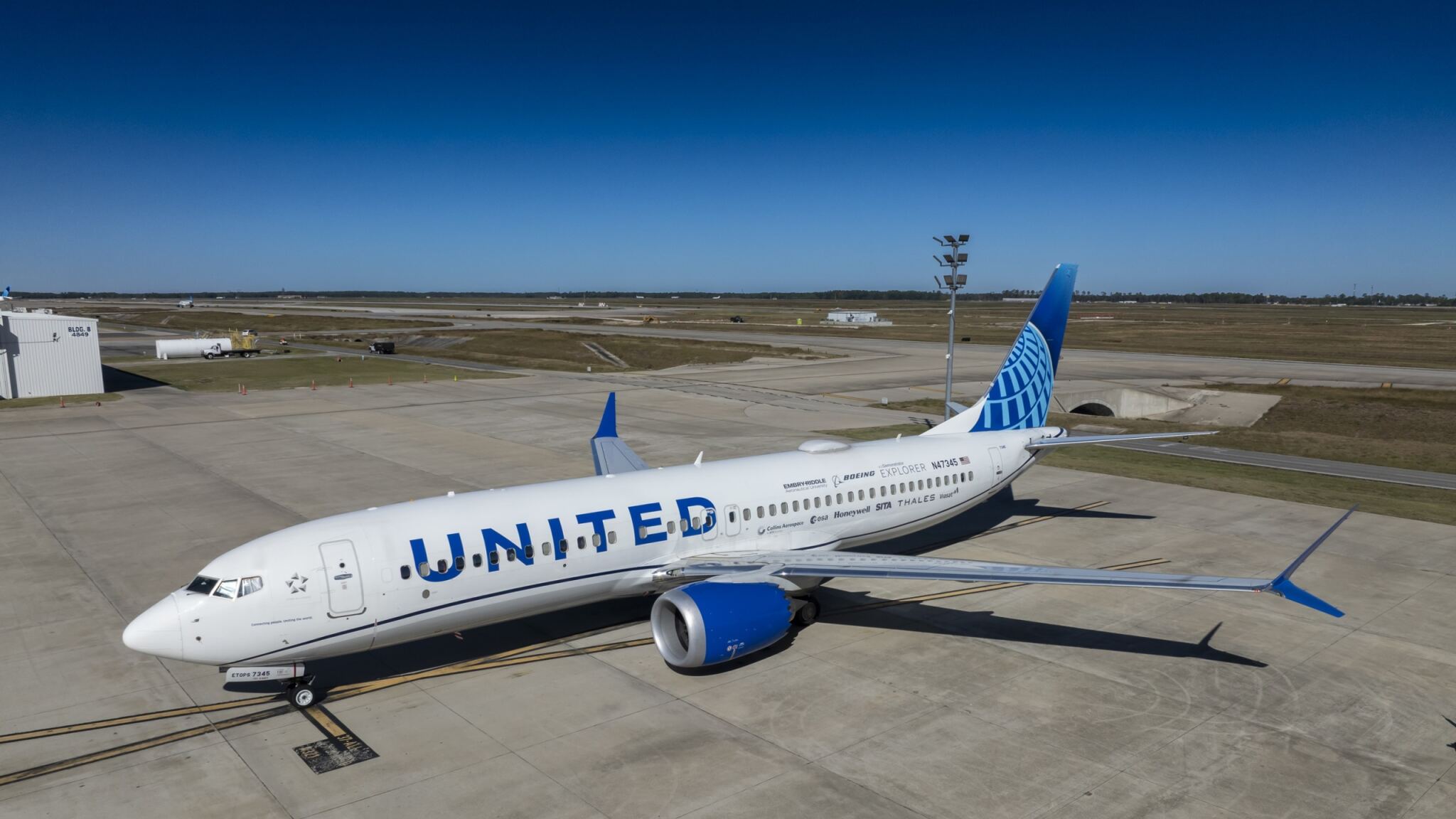
In October, Boeing conducted tests using a United Airlines 737 over a two-week period. The flights, which included both domestic routes based in Houston and an international leg over the Atlantic to Edinburgh, Scotland, utilized this advanced communication system. The goal was to streamline the flow of data between the cockpit, air traffic controllers, and airline operation centers, thus enhancing situational awareness and decision-making capabilities.
This initiative is part of Boeing’s ecoDemonstrator Explorer program, an ongoing effort to accelerate aviation innovations through collaboration with public and private partners. This year’s program included contributions from NASA, the Federal Aviation Administration (FAA), United Airlines, and various aerospace companies, along with academic and governmental researchers.
NASA’s involvement focused on the development of an oceanic trajectory prediction service. This system is designed to share and update trajectory data, even during extensive transoceanic flights that transition between different countries’ air traffic systems. By collaborating with Boeing and other stakeholders, NASA aimed to identify the necessary data-sharing intervals and the specific information required from aircraft to optimize global flight efficiency.
Sharma emphasizes the importance of these updates in oceanic environments, stating, “What information do you need from the aircraft? Having the most accurate trajectory information will allow aircraft to move more efficiently around the globe.” This understanding is critical for reducing the data-sharing gaps that can lead to delays and inefficiencies.
The data collected from these test flights will be instrumental in advancing the data communication system towards operational readiness. This work not only supports NASA’s ongoing efforts to refine trajectory prediction but also facilitates the practical application of research findings through partnerships with industry leaders.
Sharma highlights the value of these collaborations, noting, “This partnership has allowed NASA to further its commitment to transformational aviation research. Bringing our expertise in trajectory prediction together with the contributions of so many innovative partners contributes to global aviation efficiency that will yield real benefits for travelers and industry.”
NASA’s ATM-X project is part of the broader Airspace Operations and Safety Program, which aims to ensure safe and efficient air transportation. This program is supported by NASA’s Aeronautics Research Mission Directorate, which focuses on pioneering research to advance the field of aeronautics.
In conclusion, the ongoing collaboration between NASA and Boeing represents a significant step forward in addressing the challenges of trajectory prediction. By improving data communication and sharing systems, this partnership promises to enhance the efficiency and reliability of air travel, benefiting both passengers and the aviation industry. Such advancements demonstrate the power of innovation and collaboration in overcoming complex challenges in modern air transportation.
For more detailed information on this initiative, you can visit NASA’s official website.
For more Information, Refer to this article.