



















Exploring Nutritional Challenges in Space Missions: Insights from Space-Grown Food Studies
Space missions to the Moon and Mars are on the horizon, promising exciting advancements in space exploration. However, these missions bring with them unique challenges, particularly in terms of astronaut nutrition. A recent study sheds light on these issues, focusing on the viability of cultivating food in space. This research has been conducted by NASA’s Open Science Data Repository Analysis Working Groups (OSDR-AWG), which have been diligently analyzing astronaut health data to address these concerns.
The OSDR-AWG teams delve into the vast array of biomedical data from NASA missions and space experiments, which are collected and stored in the NASA Open Science Data Repository. By examining this data, they aim to answer crucial questions related to basic science, applied science, and the health outcomes associated with space exploration.
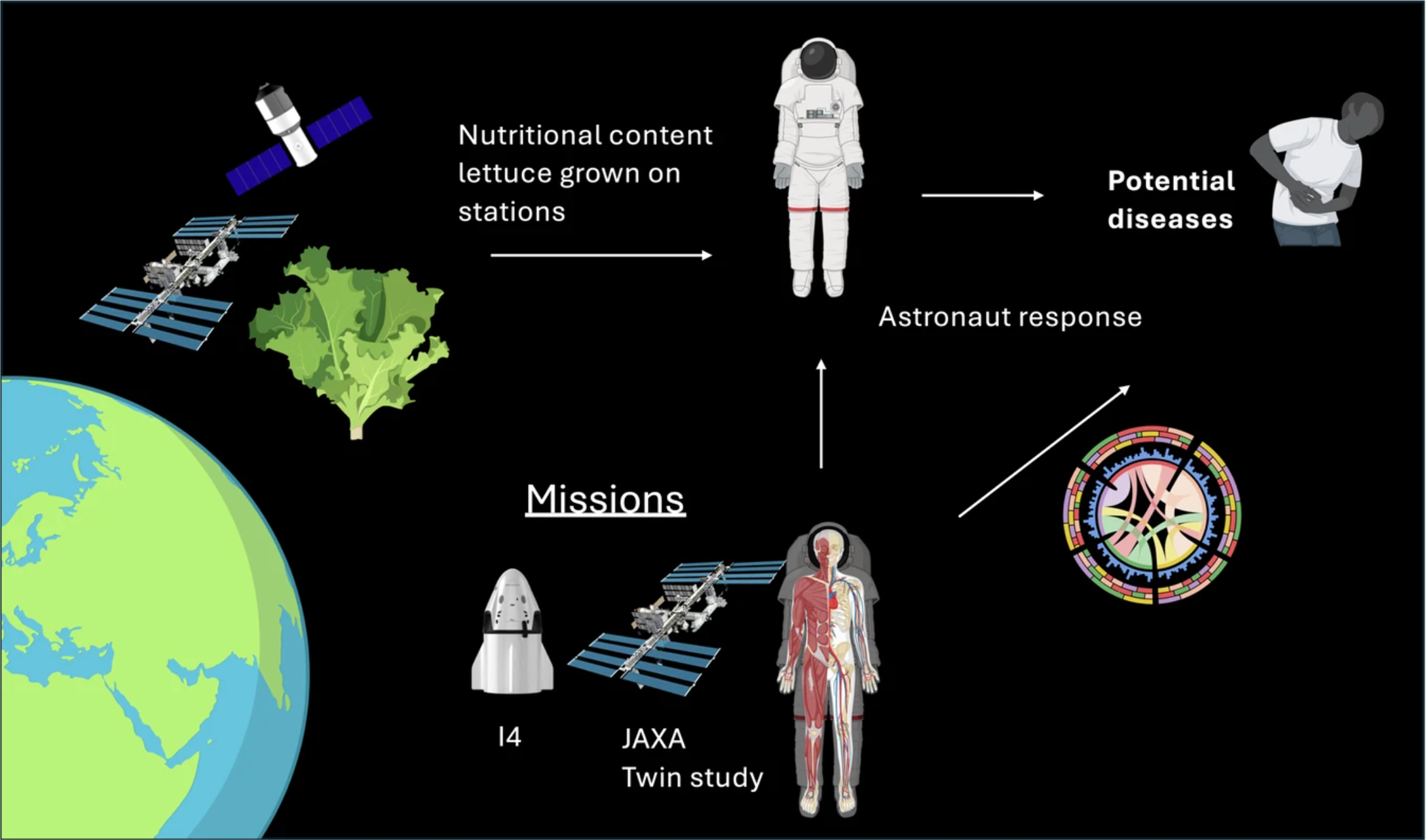
One intriguing aspect of this research is the examination of space-grown food, particularly lettuce grown on the International Space Station and China’s Tiangong II space station. The study revealed that lettuce cultivated in space contains significantly lower levels of essential nutrients compared to its Earth-grown counterparts. Specifically, the space-grown lettuce was found to have 29-31% less calcium and 25% less magnesium than lettuce on Earth, which falls short of meeting the dietary requirements of astronauts.
This revelation is crucial because maintaining optimal nutrient levels is vital for astronaut health during long-duration space missions. Let’s delve deeper into the specific health challenges identified in the study, which astronauts may face when relying on space-grown vegetables.
Disrupted Calcium Signaling
The research highlighted a significant health issue related to calcium regulation. It was discovered that astronauts experienced changes in the expression of 163 calcium-related genes, which could accelerate bone loss. This finding is particularly concerning because calcium plays a crucial role in maintaining bone health, and extended space missions can exacerbate bone density loss due to the lack of gravity.
Leaky Gut Syndrome
Another health challenge identified in the study is related to gastrointestinal health. Data from the Japan Aerospace Exploration Agency (JAXA) indicated that astronauts experienced compromised intestinal barriers. This condition, known as leaky gut syndrome, occurs due to altered protein production and regulation, potentially disrupting the absorption of vital nutrients. A healthy gut is essential for overall well-being, and any compromise in its function can have detrimental effects on astronauts.
To address these nutritional challenges, the researchers proposed an innovative solution: bioengineering crops. By developing plants that are enriched in calcium or therapeutic proteins, it may be possible to compensate for the nutrient deficiencies observed in space-grown lettuce. This approach could pave the way for more sustainable and nutritious food options for astronauts during extended missions.
The research was a collaborative effort involving the Ames Life Sciences Data Archive (ALSDA), the Human Analysis and Plant Working Groups of the OSDR (centered at NASA Ames), as well as BioAstra, a space life science non-profit organization. The data used in this study primarily came from the OSDR, with contributions from the Space Omics and Medical Atlas at Weill Cornell.
For those interested in contributing to the future of human space exploration, there is an opportunity to join the OSDR-Analysis Working Groups. These groups are actively involved in various projects aimed at advancing our understanding of space exploration and addressing the challenges associated with it. By participating in these groups, individuals can play a part in shaping the future of human space travel.
To learn more about the Analysis Working Groups and how you can get involved, visit their website here.
This study, titled "Feeding the Cosmos: Tackling Personalized Space Nutrition and the Leaky Gut Challenge," was published in the journal npj Microgravity. For those interested in delving deeper into the research findings, the study is accessible here.
Additional Insights and Broader Implications
The findings from this research have broader implications beyond just space missions. Understanding how plants grow and adapt in microgravity can provide valuable insights into plant biology and agriculture on Earth. Lessons learned from space agriculture may lead to the development of crops that are more resilient to environmental stressors, ultimately benefiting global food security.
Moreover, the research highlights the importance of personalized nutrition in space. Just as personalized medicine is gaining traction on Earth, personalized nutrition tailored to each astronaut’s unique needs could become a reality for space missions. This approach could optimize astronauts’ health and performance, ensuring they are physically and mentally equipped to tackle the challenges of space exploration.
The collaboration between NASA, JAXA, and various research organizations underscores the global effort to address the complex challenges of space missions. As countries worldwide continue to invest in space exploration, international partnerships will play a crucial role in advancing our understanding of space and ensuring the success of future missions.
In conclusion, the study on space-grown food and its implications for astronaut nutrition is an essential step forward in preparing for long-duration space missions. By addressing the nutritional challenges faced by astronauts, researchers are paving the way for more sustainable and successful space exploration endeavors. The potential solutions proposed, such as bioengineered crops and personalized nutrition, hold promise not only for space missions but also for improving food security and health on Earth. As we continue to explore the cosmos, it is imperative that we prioritize the health and well-being of those who venture beyond our planet, ensuring that they are equipped to thrive in the final frontier.
For more Information, Refer to this article.