






















NASA’s New Helicopter Flight Training Course Prepares Astronauts for Moon Landings
NASA has taken a significant step forward in preparing for future lunar missions under the Artemis program. The agency has successfully certified a helicopter-based flight training course designed to enhance crew coordination and communication skills essential for landing on the Moon. This development marks a crucial milestone in training astronauts for the ambitious Artemis missions, which aim to explore the lunar South Pole and lay the groundwork for human exploration further into the solar system, including Mars.
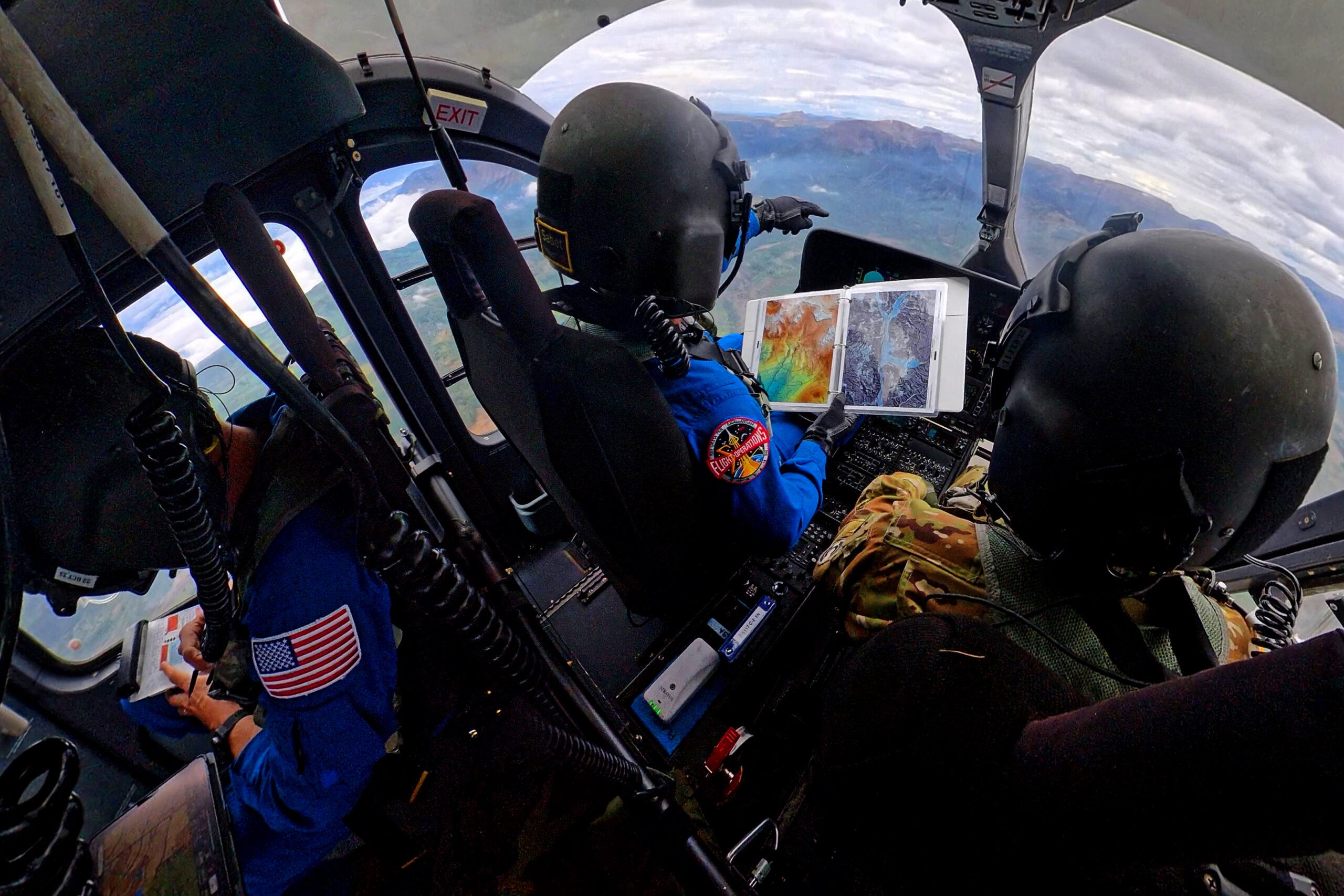
This innovative training course has been developed in collaboration with the Colorado Army National Guard at the High-Altitude Army National Guard Aviation Training Site located near Gypsum, Colorado. The mountainous terrain of northern Colorado provides a unique environment that closely resembles the visual challenges and flight conditions astronauts will face on the Moon.
Understanding the Importance of Training
According to Paul Felker, the acting deputy director of flight operations at NASA’s Johnson Space Center in Houston, astronauts who are part of the Artemis missions will need to master the art of working together under stressful conditions. They must be adept at identifying hazards, navigating degraded visual environments, and evaluating risks to ensure a safe landing on the lunar surface.
During a two-week certification session in late August, NASA astronauts Mark Vande Hei and Matthew Dominick participated in a rigorous training program to help certify the course. These astronauts took turns piloting a helicopter and navigating to designated landing zones, simulating the conditions they will encounter on the Moon. Accompanying them were Artemis flight crew trainers, mission control leaders, and lunar lander operational experts from NASA Johnson, who evaluated the training environment and its effectiveness for future crewed lunar missions.
Navigating Challenging Conditions
The training course is designed to be operational year-round, allowing astronauts to experience a variety of weather conditions, including snowy and dusty environments. These conditions present visual challenges similar to those caused by lunar dust during future missions. As Mark Vande Hei explained, dust is a critical factor during the final descent phase on the Moon. The interaction between lunar dust and lander thrusters can obscure visual cues, forcing astronauts to rely on instruments for navigation—a scenario they practice during their training in Colorado.
The Artemis III Mission
The upcoming Artemis III mission will see four astronauts launched aboard NASA’s Orion spacecraft, carried by the powerful Space Launch System (SLS) rocket. Once in lunar orbit, the Orion capsule will rendezvous with SpaceX’s Starship Human Landing System. Two astronauts will transfer to the Starship lander, which will transport them from lunar orbit to the Moon’s surface. After completing their surface operations, the astronauts will return to lunar orbit aboard Starship and dock with Orion for their journey back to Earth.
Course Development and Evaluation
The development of this training course began in 2021, and to date, 25 NASA astronauts, along with one European Space Agency (ESA) astronaut, have participated in and evaluated the course. NASA astronaut Doug Wheelock, who played a pivotal role in developing the foundational training course, noted that this program offers one of the first group flight training opportunities for the Artemis III crew. While ground and simulation training sessions will also take place in Ohio and Texas, the real-world flight environment in Colorado provides astronauts with an invaluable experience in problem-solving and decision-making required to control and maneuver a lunar lander.
The certification of this course for the Artemis program is just the beginning. NASA teams will continue to assess and refine the training based on astronaut feedback and technological advancements to ensure mission success and crew safety. This ongoing evaluation will ensure that the training remains effective and relevant as NASA advances its exploration goals.
The Broader Impact of the Artemis Program
The Artemis campaign is not just about reaching the Moon; it’s about setting the stage for future exploration and discovery. By sending astronauts to the lunar surface, NASA aims to achieve scientific breakthroughs and unlock economic benefits. The knowledge and experience gained from these missions will form the foundation for the first crewed missions to Mars, ultimately benefiting all of humanity.
In conclusion, NASA’s certification of the helicopter-based flight training course represents a significant achievement in the preparation for the Artemis missions. By simulating the conditions of a lunar landing, this training equips astronauts with the skills and confidence they need to explore the Moon and beyond, bringing us closer to a new era of space exploration.
For more information about the Artemis program, visit NASA’s official Artemis page.
For more Information, Refer to this article.