












![[Interview] Inside Spatial Signage: How Samsung Brought Glasses-Free 3D Displays to Life](https://www.hawkdive.com/media/samsung-tvs-and-displays-spatial-signage-interview_thumb932-218x150.jpg "Samsung’s Glasses-Free 3D Displays: The Inside Story [Interview]")







Crew Dragon Embarks on Mission to the International Space Station: Duration of Stay Uncertain
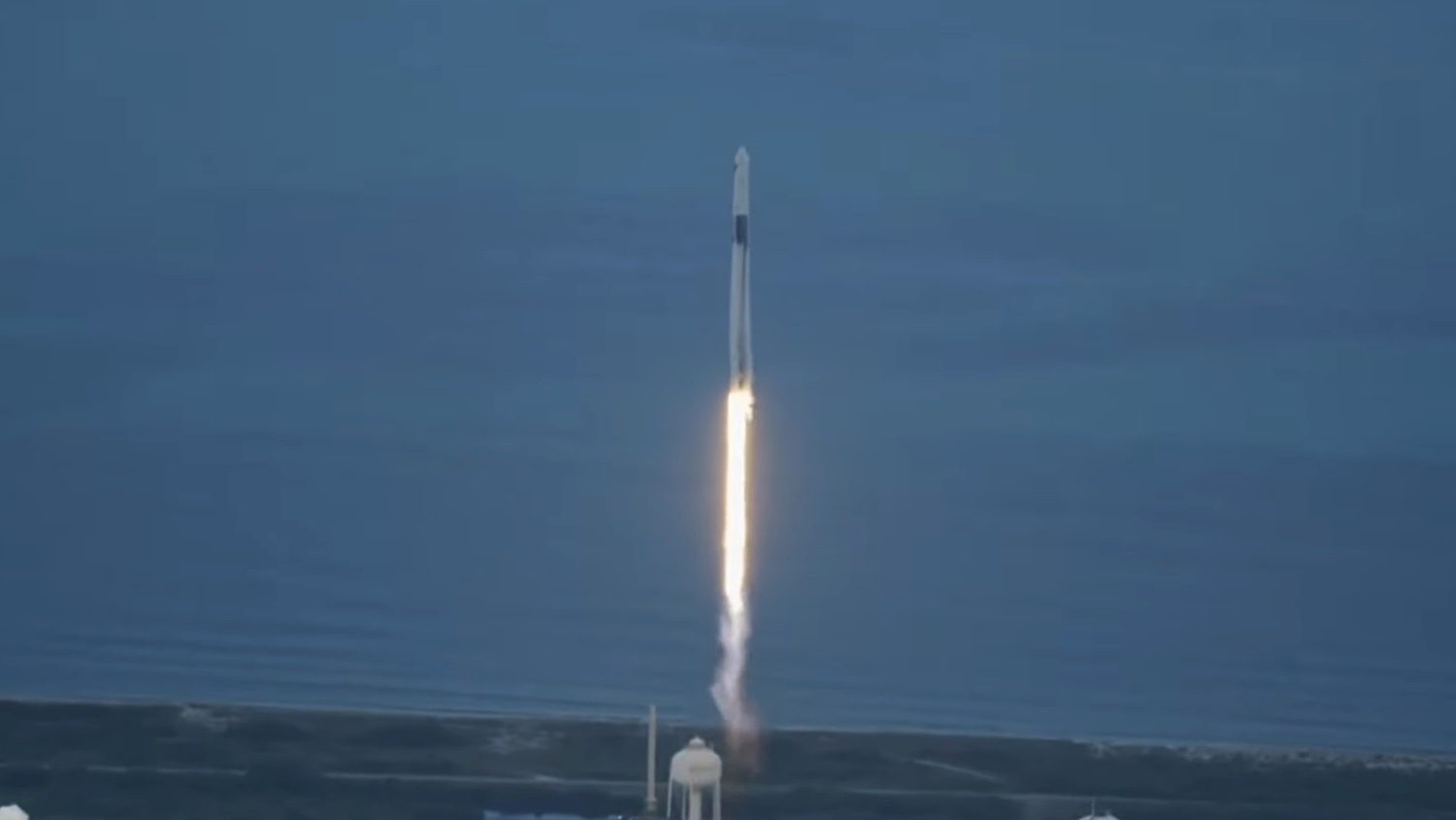
The Crew Dragon spacecraft, a pioneering vehicle designed by SpaceX, is currently on a mission to the International Space Station (ISS). However, as it embarks on this critical journey, the precise duration of the crew’s stay aboard the ISS remains undetermined. This mission, like many others, underscores the dynamic and complex nature of space exploration, where plans can evolve based on a myriad of factors including technical challenges, scientific objectives, and international cooperation.
Understanding the Crew Dragon Spacecraft
The Crew Dragon is a state-of-the-art spacecraft developed by SpaceX, a company founded by Elon Musk with the goal of reducing space transportation costs and enabling the colonization of Mars. The spacecraft is part of NASA’s Commercial Crew Program, which aims to transport astronauts to and from the ISS, fostering a new era of commercial spaceflight. The Crew Dragon is capable of carrying up to seven astronauts and is equipped with modern technology, including touch screen controls, advanced life support systems, and robust safety features.
The Mission’s Objectives
The primary objective of this mission is to safely transport a team of astronauts from Earth to the ISS, where they will conduct a variety of scientific experiments and maintenance tasks. These activities are vital for advancing our understanding of space and improving life on Earth. Experiments conducted on the ISS often focus on areas such as microgravity’s effects on biological organisms, materials science, and technology development. The data gathered from these experiments can lead to breakthroughs in medicine, manufacturing, and environmental science.
Duration of Stay: A Flexible Timeline
While the mission’s goals are clear, the duration of the astronauts’ stay on the ISS is not set in stone. Several factors can influence the length of their mission, including the completion of scientific objectives, the availability of resources on the ISS, and the schedule of other missions. Additionally, unforeseen circumstances, such as technical issues or the need for urgent repairs, can also impact the timeline.
NASA and its international partners, including space agencies from Europe, Japan, Canada, and Russia, collaborate closely to determine the optimal duration for each mission. This collaborative approach ensures that all scientific and logistical needs are met while maintaining the safety and well-being of the crew.
The Role of International Cooperation
International cooperation is a cornerstone of the ISS program. The station serves as a symbol of global collaboration, bringing together scientists and engineers from around the world to work toward a common goal. The ISS partnership includes NASA, the Russian space agency Roscosmos, the European Space Agency (ESA), the Japan Aerospace Exploration Agency (JAXA), and the Canadian Space Agency (CSA). This multinational effort allows for the sharing of resources, knowledge, and expertise, enhancing the overall success of each mission.
Technological Challenges and Innovations
Space missions are fraught with technological challenges, and the Crew Dragon mission is no exception. From the launch phase to docking with the ISS, every step requires precision and reliability. The spacecraft is equipped with cutting-edge technology to navigate these challenges, including autonomous docking capabilities and advanced communication systems.
One of the notable innovations of the Crew Dragon is its ability to perform an automated docking with the ISS. This feature reduces the need for manual intervention and enhances safety by minimizing human error. The spacecraft’s design also incorporates a launch escape system, which can quickly move the crew to safety in the event of an emergency during ascent.
Public Interest and Reaction
Space missions, especially those involving human crews, capture the public’s imagination and inspire a sense of wonder. The Crew Dragon mission is no exception, with media coverage and public interest highlighting the significance of human space exploration. The mission serves as a reminder of humanity’s innate curiosity and desire to explore the unknown.
The successful execution of such missions can bolster public support for space programs and inspire the next generation of scientists, engineers, and explorers. Educational initiatives often use these missions to engage students and spark interest in STEM (science, technology, engineering, and mathematics) fields.
Looking Toward the Future
As the Crew Dragon continues its journey to the ISS, the mission represents not only a step forward in space exploration but also a testament to human ingenuity and determination. The flexibility of the mission’s duration reflects the adaptive and collaborative nature of modern space exploration, where plans are continually refined to maximize scientific return and ensure crew safety.
Looking ahead, the success of the Crew Dragon mission could pave the way for more ambitious endeavors, such as missions to the Moon and Mars. With each mission, we gain valuable insights and experience that bring us closer to these long-term goals.
In conclusion, the Crew Dragon’s current mission to the ISS is a significant milestone in space exploration. While the duration of the crew’s stay remains flexible, the mission exemplifies the spirit of innovation, international collaboration, and the relentless pursuit of knowledge that defines humanity’s quest to explore the cosmos. As we await further developments, the world watches with anticipation, eager to see what new discoveries and advancements this mission will bring.
For more Information, Refer to this article.