




















Exploring the Mysteries of Mount Sharp: Curiosity Rover’s Journey
As we delve into the intricate workings of Mars through the lens of NASA’s Curiosity Rover, it is essential to revisit the initial ambitions that fueled its mission. Thirteen years ago, the science community eagerly anticipated the rover’s exploration of Mount Sharp’s geological wonders. These include valleys, river channels, and ancient lakebeds. What Curiosity has achieved since its landing is nothing short of remarkable, not just visiting these anticipated sites but also uncovering unexpected geological formations.
Unraveling the Secrets of Mars’ Boxwork Structures
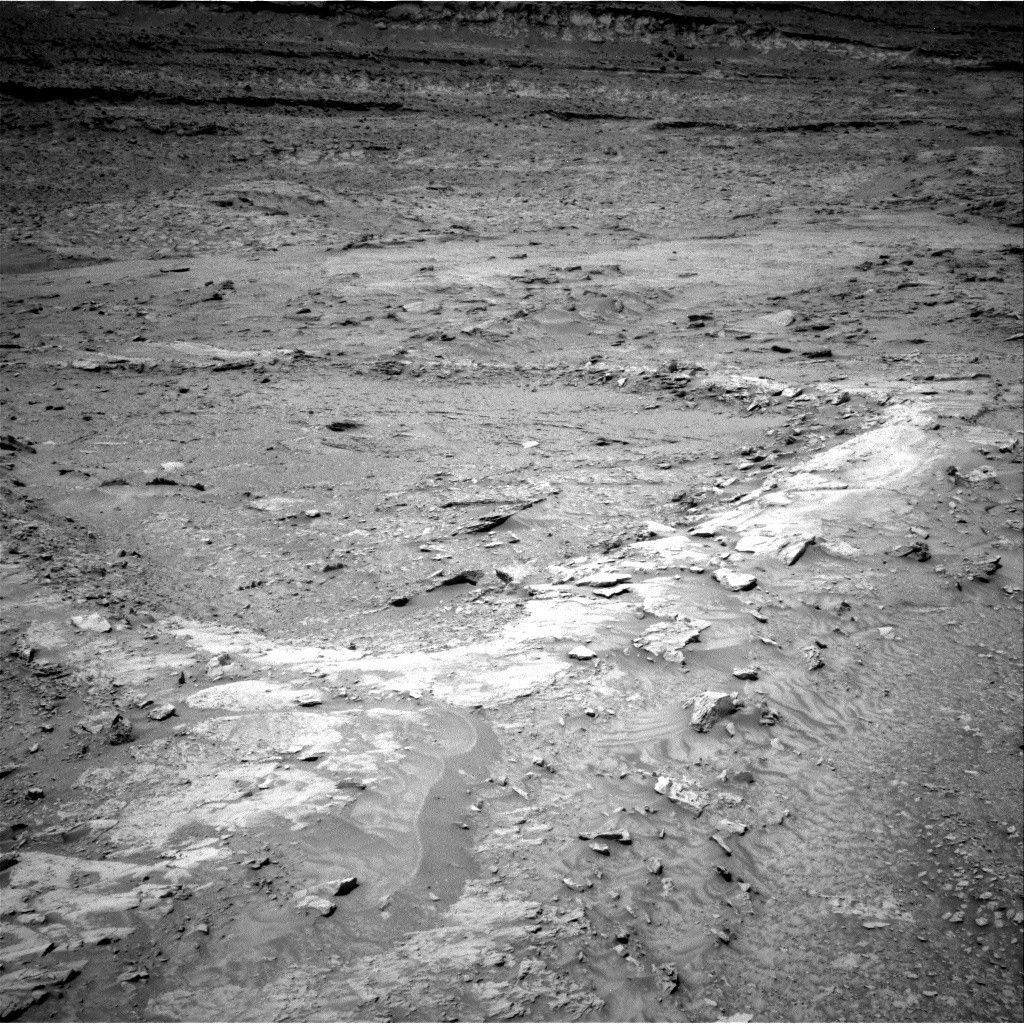
Since Sol 4600, the Curiosity Rover has been engaged in an intensive exploration of one of Mars’ most intriguing geological formations: the boxwork structures. These formations—comprising a network of ridges and hollows—pose a fascinating puzzle about their origins and composition. Each stop along the rover’s path has been a meticulous exercise in scientific investigation, aimed at understanding the forces that shaped these features.
To unravel the mystery of the boxworks, the rover’s suite of instruments has been employed in a strategic manner. The Alpha Particle X-ray Spectrometer (APXS) and ChemCam have been instrumental in analyzing the chemical composition from the center of the ridges to the edges and into the adjacent hollows. This analysis helps identify the chemical variations that contribute to the structural integrity of the ridges, making them stand taller than the surrounding hollows.
Visual imaging played a crucial role in this exploration as well. The Mastcam, alongside the ChemCam Remote Micro-Imager (RMI), mapped the architecture of these formations, searching for structural clues that might shed light on their formation. By capturing images of distant features like the rising buttes on either side of the boxwork valley, the team could better understand the geological context of the area.
Understanding the Bedrock and Beyond
The Mars Hand Lens Imager (MAHLI) provided close-up photographs of the ridge and hollow targets. These images were examined for grain size variations, offering insights into how the boxwork bedrock was deposited over time. Meanwhile, the Dynamic Albedo of Neutrons (DAN) instrument conducted surveys beneath the rover, measuring hydrogen content, which is indicative of water presence. This data was crucial in assessing how water content varied across the ridges and hollows.
This comprehensive data collection has brought the team to a pivotal moment: selecting the next drill site. The rover is set to move towards the “Monte Grande” hollow, where promising bedrock has been identified for sampling. The plan is to eventually drill a ridge as well, which will be covered in future updates. By comparing the mineralogy, volatile content, and organic chemistry of the ridges and hollows, scientists expect to gain a detailed understanding of the processes that led to the formation of the boxworks.
Monitoring Martian Weather and Environmental Conditions
While the geological exploration continues, other instruments on the rover keep a vigilant watch on Martian weather and environmental conditions. The Rover Environmental Monitoring Station (REMS) and the Radiation Assessment Detector (RAD) focus on weather patterns and space weather, respectively, irrespective of the rover’s position over a ridge or hollow. These instruments provide ongoing weather data crucial for understanding the Martian climate.
In tandem with these instruments, the Navigation Camera (Navcam) and Mastcam play a role in environmental monitoring by measuring atmospheric dust levels, observing dust devils, and capturing images of the seasonal Martian clouds.
Insightful Discoveries and Future Prospects
The discoveries made by the Curiosity Rover have not only expanded our knowledge of Mars but have also set the stage for future missions. As we gain insights into the ancient Martian environment, we move closer to understanding the planet’s potential to have supported life in the past. The upcoming sampling from the “Monte Grande” hollow is expected to provide crucial data that will contribute to this understanding.
Furthermore, the data collected by Curiosity helps inform future missions, including those by other space agencies and commercial entities. As we continue to piece together Mars’ geological history, each discovery brings us closer to answering fundamental questions about the Red Planet.
Conclusion
Curiosity’s mission on Mars is a testament to human ingenuity and scientific curiosity. As we continue to explore and analyze the data collected by the rover, we remain hopeful about the future discoveries that await us on this incredible journey. The ongoing exploration of Mars not only satisfies our quest for knowledge but also inspires future generations of scientists and explorers to continue the pursuit of understanding our neighboring planet.
For further details and updates on the Curiosity Rover’s mission, one can refer to NASA’s official website.
For more Information, Refer to this article.