






















Enhancements in HashiCorp’s Security Lifecycle Management Portfolio
In the ever-evolving digital landscape, security is a paramount concern for organizations navigating complex hybrid IT environments. To address these challenges, HashiCorp is focusing on integrating and automating security directly within developer workflows. This strategic approach aims to bolster security across diverse infrastructures. At the HashiConf event, HashiCorp unveiled significant updates to its Security Lifecycle Management (SLM) portfolio, including advancements in their tools: HashiCorp Vault, Radar, and Boundary. These tools are specifically designed to enhance secure development practices.
Introducing Vault Enterprise 1.21
The new iteration of Vault Enterprise, version 1.21, introduces several innovative features:
- Vault Secrets Operator (VSO) Protected Secrets: Traditionally, secrets in Kubernetes environments are stored persistently, which can pose security risks. The Vault Secrets Operator (VSO) now offers a solution by allowing secrets to be provided directly to Kubernetes pods without the need for persistent storage. This is achieved through a new Container Storage Interface (CSI) driver, which mounts secrets directly into pods at runtime, offering a more secure and dynamic approach to secrets management.
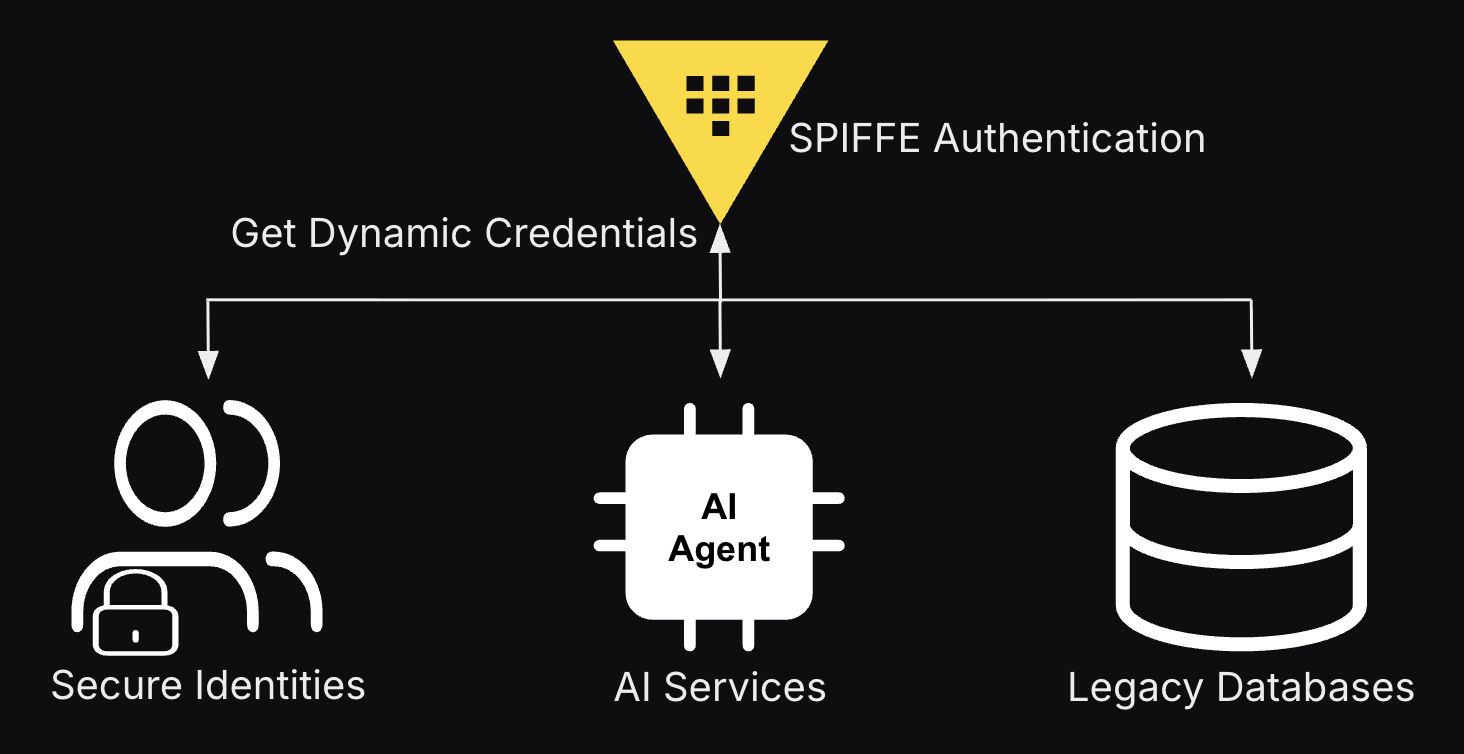
- SPIFFE Support: Managing identities in rapidly scaling AI infrastructures can be challenging. With the integration of SPIFFE (Secure Production Identity Framework For Everyone), Vault Enterprise can automate the issuance of secure, verifiable identities across dynamic environments like Kubernetes and multi-cloud setups. This automation streamlines the authentication process between AI services and enhances traceability and compliance.
- Static Role Rotation for Azure Credentials: Previously, Vault’s support for Azure credentials was limited to dynamic roles, which expired after a session ended. The introduction of static role rotation now allows for long-lived Azure credentials, providing flexibility and control over credential lifecycle management. This is particularly beneficial for automation workflows requiring predictable access.
- Vault MCP Server: This feature allows interaction with Vault using natural language, simplifying tasks such as listing secrets and issuing certificates. The Vault Model Context Protocol (MCP) server is now available for public beta testing, enabling users to try its capabilities on local machines.
- SSCSI Vault Provider: Certified by Red Hat, this feature enables OpenShift users to securely mount ephemeral secrets without relying on etcd, enhancing the security posture of applications running on Kubernetes and OpenShift.
HCP Vault Dedicated Enhancements
HashiCorp’s Cloud Platform (HCP) Vault Dedicated service also sees substantial upgrades:
- Private DNS Integration: Organizations can now integrate their enterprise DNS infrastructure into HCP Vault Dedicated, facilitating faster and compliant deployments in secure, scalable environments.
- AWS PrivateLink Support: This feature ensures secure, private connectivity by keeping network traffic within AWS’s infrastructure, meeting stringent compliance requirements while simplifying network architecture.
- Secrets Inventory Reporting: Provides real-time visibility into secrets usage, helping organizations manage risks, streamline compliance, and demonstrate the impact of their security measures.
HCP Vault Radar Innovations
The HCP Vault Radar tool introduces several advancements to enhance security monitoring and remediation:
- VSCode IDE Plugin: This plugin integrates real-time secrets detection directly within the VSCode development environment, enabling developers to identify and address exposed secrets promptly.
- Jira Scanning: This feature provides full visibility into leaked secrets across Jira tickets and documentation, offering continuous monitoring through both SaaS and agent-based solutions.
- MCP Server for Risk Insights: Utilizing AI-driven analysis, the MCP server offers instant insights into leaked secrets, prioritizing risks based on various factors to streamline decision-making processes for security teams.
HCP Boundary and Credential Management
Boundary, HashiCorp’s tool for secure remote access, introduces RDP credential injection, now available in public beta. This feature facilitates passwordless access to Windows hosts, enhancing the developer experience and reducing credential-related risks.
Vault and OpenShift Collaboration
The collaboration between Vault and OpenShift reaches a new milestone with the certification of the SSCSI Vault provider by Red Hat. This certification validates the integration’s security, lifecycle management, and long-term supportability, providing OpenShift users with a robust solution for secrets management.
Streamlining Azure Deployments and Enhancing Compliance
The introduction of Bring Your Own DNS (BYO-DNS) support for Azure allows organizations to integrate their existing DNS infrastructure into HashiCorp’s Virtual Network. This feature aligns with internal networking standards and compliance requirements, offering faster deployments and fewer manual workarounds.
AWS PrivateLink support in HCP Vault Dedicated ensures that network traffic remains within AWS’s backbone, eliminating exposure to public networks. This enhancement is particularly beneficial for industries with high security and compliance standards.
The public beta for governance reporting and a secrets inventory dashboard provides teams with centralized visibility into how secrets are accessed and managed. This feature enables security teams to identify anomalies, track Vault adoption, and demonstrate the value of their secrets management programs.
Conclusion
As organizations transition to dynamic cloud environments, the need for robust and automated security solutions becomes increasingly critical. HashiCorp’s latest announcements underscore their commitment to empowering organizations to implement secure workflows without compromising developer productivity. By integrating security into the development lifecycle, HashiCorp Vault, Radar, and Boundary facilitate faster, more secure development, optimizing cloud operations.
To explore HashiCorp’s offerings and see these products in action, organizations can sign up for a free trial of the HashiCorp Cloud Platform. This trial provides an opportunity to experience the full range of capabilities and benefits offered by HashiCorp’s Security Lifecycle Management solutions.
For further information, please visit the original HashiCorp blog post.
For more Information, Refer to this article.



![[Video] Samsung Color E-Paper: A Smarter Alternative to Traditional Posters](https://www.hawkdive.com/media/samsung-tvs-and-displays-samsung-color-e-paper-samsung-vxt-digital-signage_thumb932-218x150.jpg "Samsung introduces Color E-Paper as innovative poster alternative.")