









Meta Hosts AI Symposium to Discuss Europe’s Future in Technology
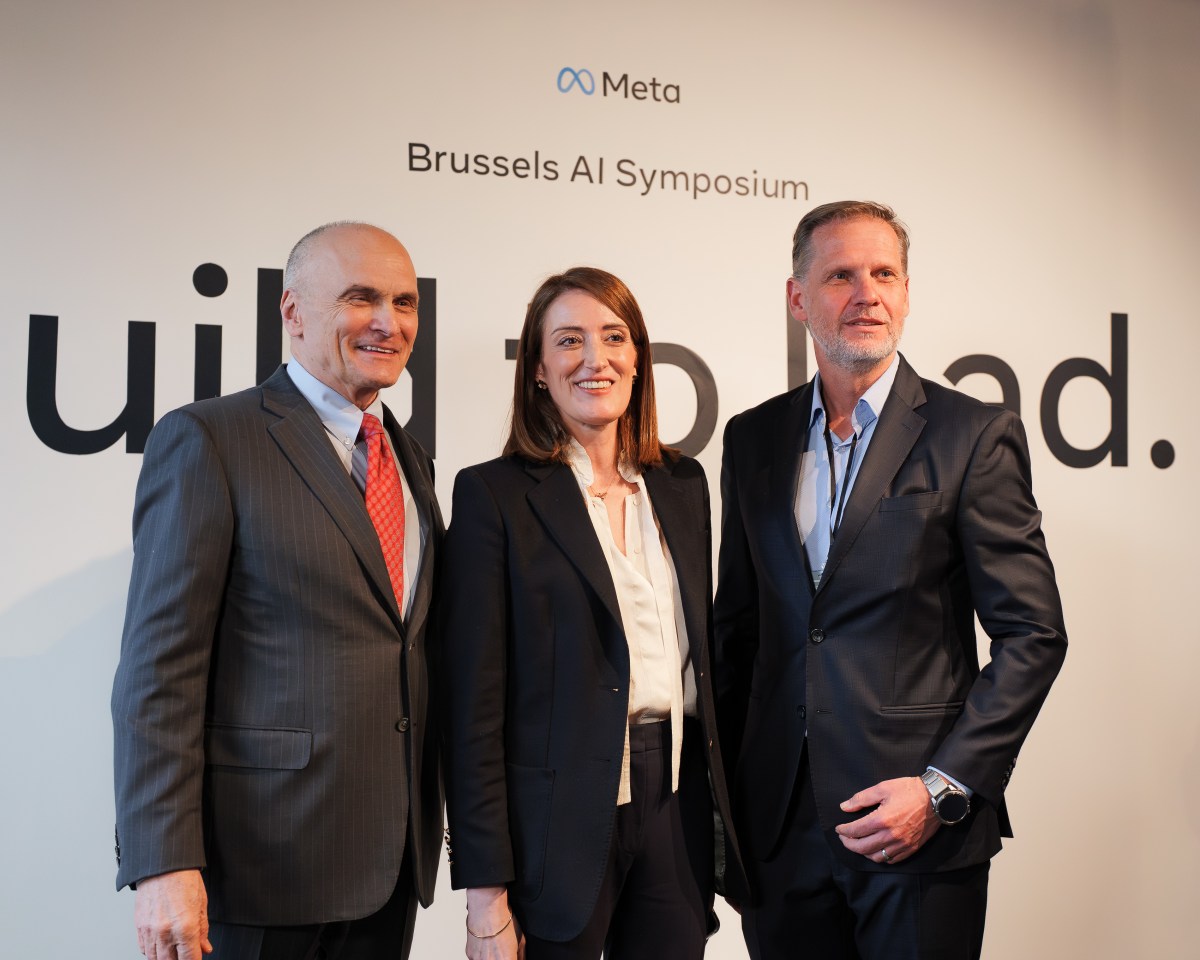
On March 24, Meta convened the “Build to Lead: The Brussels AI Symposium,” an event aimed at addressing Europe’s potential in the artificial intelligence (AI) landscape. Key figures, including European Parliament President Roberta Metsola and US Ambassador to the EU Andrew Puzder, gathered to explore whether Europe can effectively harness the opportunities presented by AI technology. The symposium sought to tackle pressing questions about innovation and leadership in a rapidly evolving global tech environment.
Opening Remarks Highlighting Challenges and Opportunities
Markus Reinisch, Vice President of Public Policy for Europe at Meta, opened the symposium with a candid acknowledgment of current global uncertainties. He emphasized the need for Europe to build a resilient future through strong institutions and skilled personnel, underscoring that innovation is crucial for economic growth and productivity. Reinisch pointed out that AI could serve as a vital engine for this resilience.
Reinisch’s remarks took a serious tone as he outlined two major challenges facing Europe in the AI race. First, he noted that the competition is increasingly dominated by the United States and China, which poses not only a technological challenge but also a question of embedding Western democratic values into future technologies. Second, he cautioned that Europe’s position as a distant third in this race is not guaranteed, especially given the rapid advancements being made in regions like India and the Middle East.
The Need for Swift Action and Strategic Approaches
Reinisch posed critical questions about how Europe can scale its leadership in AI quickly enough to remain relevant. He discussed several approaches often suggested within policy circles. One of these is tech sovereignty, which advocates for Europe to develop its own technological capabilities independently. While acknowledging some merit in this idea, Reinisch warned against waiting until every layer of technology can be replicated within Europe before taking action.
He argued that Europe’s current challenge is not merely one of sovereignty but rather one of relevance. He stressed that relevance cannot be achieved by isolationist policies or by “pulling up the drawbridge.” Instead, he urged European leaders to consider simplification as an effective strategy for overcoming existing barriers that hinder innovation.
Simplification: A Pathway to Progress
In his remarks, Reinisch expressed support for simplifying regulations that have accumulated over decades. However, he criticized current efforts as insufficiently ambitious. He pointed out that those tasked with reforming regulatory frameworks are often the same individuals who created them, leading to stagnation where progress feels incremental at best.
Reinisch proposed what he termed a “third way” for Europe: leveraging its strengths in world-class science, design, and engineering while focusing on creating trusted products that resonate with consumers. He highlighted successful collaborations between companies like Meta and EssilorLuxottica on wearable technology as examples of how European innovation can lead to new computing platforms.
The Importance of Confidence and Ambition
Reinisch concluded his opening remarks with a powerful message advocating for increased ambition within Europe’s tech landscape. He emphasized that fewer self-imposed barriers are necessary if Europe wishes to thrive in the AI era. He called for a balance between maintaining core values while simultaneously investing in rapid technological advancement.
He illustrated this point with an example from wearable technology—specifically smart glasses—where stringent requirements such as battery replaceability could stifle innovation rather than promote it. By aligning values with speed and principles with investment, Reinisch believes Europe has the potential not just to participate but to lead in shaping the future of AI.
What This Means
The discussions at the Brussels AI Symposium underscore an urgent call for European leaders to rethink their approach toward technology development and regulation. As countries like China and India continue to make significant strides in AI adoption and investment, Europe’s ability to innovate will depend on its willingness to simplify regulations and foster an environment conducive to growth. By focusing on its unique strengths while reducing bureaucratic obstacles, Europe can position itself as a formidable player in the global tech arena.
For more information, read the original report here.