





















In today’s fast-evolving digital landscape, shopping for clothing has transcended traditional in-store experiences. Whether you’re searching for that ideal summer maxi skirt, eyeing a chic fall jacket, or gearing up for some back-to-school shopping, Google’s innovative shopping tools are designed to help you refine your personal style while securing the best deals. In this report, we’ll delve into the latest features introduced by Google that are set to revolutionize the way we shop for clothes online.
Virtual Try-On: A New Era in Online Shopping
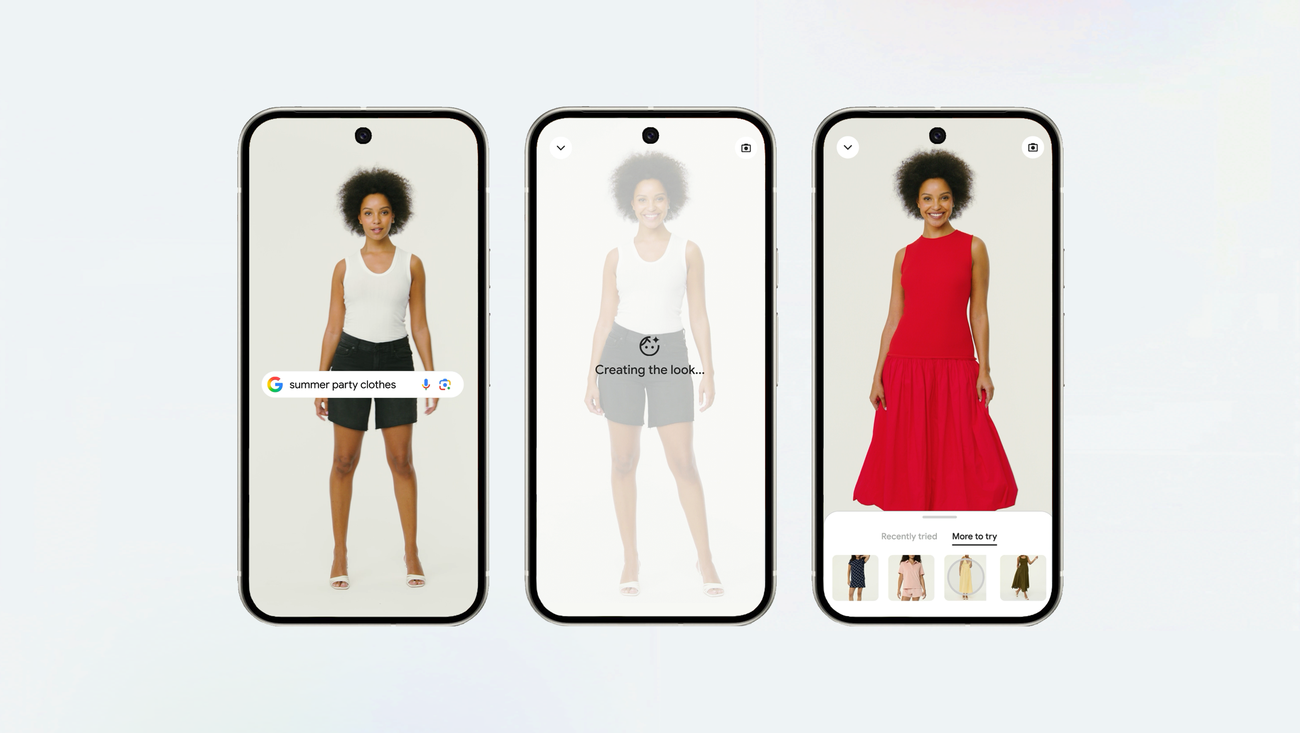
In May, during the I/O developer conference, Google unveiled an exciting feature in Search Labs — a virtual try-on tool. Initially launched as a limited experiment, this tool allows users to upload a photo of themselves and leverage artificial intelligence (AI) to virtually try on apparel. The innovation is now officially available in the U.S., enabling users to explore styles from an extensive array of clothing items within Google’s expansive Shopping Graph. This encompasses Search, Google Shopping, and even product results on Google Images.
Understanding the Virtual Try-On Tool
The virtual try-on feature is not just a novelty; it addresses a common challenge faced by online shoppers — the inability to physically try on garments before purchasing. This tool uses advanced AI technologies to create a realistic simulation of how clothing items will look on an individual’s body. When users upload their photos, the AI analyzes their body shape and size, adjusting the clothing image accordingly to provide a realistic visual representation.
How Does It Work?
- Photo Upload: Users begin by uploading a clear photo of themselves. The photo serves as the base for the virtual try-on.
- AI Analysis: The AI technology then processes the image, assessing the user’s body dimensions to fit the clothing accurately.
- Realistic Rendering: The clothing item is superimposed onto the user’s image, rendering a realistic preview of how the garment would fit and look on them.
- Shopping Graph Integration: This feature taps into Google’s extensive Shopping Graph, enabling users to explore a vast selection of apparel items from various brands and retailers.
Expanding Your Style Horizons with Google’s Shopping Tools
The virtual try-on tool is part of Google’s broader strategy to enhance the online shopping experience. With billions of apparel items cataloged, Google’s Shopping Graph serves as a comprehensive database, offering users a diverse range of styles. By integrating the virtual try-on feature, Google not only simplifies the process of finding the right fit but also empowers users to experiment with different looks without the commitment of a purchase.
Enhancing User Experience with AI
Artificial intelligence plays a crucial role in this innovative shopping tool. By leveraging machine learning algorithms, the tool can accurately predict how a garment will fit based on the user’s body type. This level of personalization is a significant step forward in online retail, as it minimizes the uncertainty of buying clothing online, where sizing and fit can often be inconsistent.
A Step Towards Sustainable Shopping
The introduction of virtual try-on tools also aligns with a growing trend towards sustainable shopping practices. By allowing users to visualize clothing on themselves before making a purchase, the tool reduces the likelihood of returns due to ill-fitting garments. This, in turn, can contribute to reducing waste associated with packaging and shipping returned items, supporting a more sustainable retail ecosystem.
User Reactions and Industry Impact
The launch of the virtual try-on tool has been met with enthusiasm from both users and industry experts. Consumers appreciate the convenience and accuracy it brings to the online shopping experience, while retailers see potential in its ability to reduce return rates and enhance customer satisfaction. As AI continues to evolve, the potential applications for virtual try-on technology could expand beyond apparel, offering similar solutions for accessories, cosmetics, and other product categories.
Looking Ahead: The Future of Virtual Shopping
As online shopping continues to gain traction, innovations like Google’s virtual try-on tool are poised to become a standard feature in e-commerce platforms. The integration of AI and personalized shopping experiences indicates a shift towards more user-centric retail models, where convenience, customization, and sustainability are prioritized.
In conclusion, Google’s latest shopping features, particularly the virtual try-on tool, are setting new benchmarks in the world of online shopping. By combining cutting-edge AI technology with an expansive database of apparel, Google is not only enhancing the shopping experience but also paving the way for a more sustainable and user-friendly future in e-commerce. Whether you’re a fashion enthusiast or just looking for a convenient way to refresh your wardrobe, these tools offer a glimpse into the future of shopping, where personalization and technology converge to create a seamless and enjoyable experience for all.
For more Information, Refer to this article.