














![[Video] Samsung Color E-Paper: A Smarter Alternative to Traditional Posters](https://www.hawkdive.com/media/samsung-tvs-and-displays-samsung-color-e-paper-samsung-vxt-digital-signage_thumb932-218x150.jpg "Samsung introduces Color E-Paper as innovative poster alternative.")







FAA Imposes Temporary Restrictions on Commercial Space Launches Due to Air Traffic Control Strain
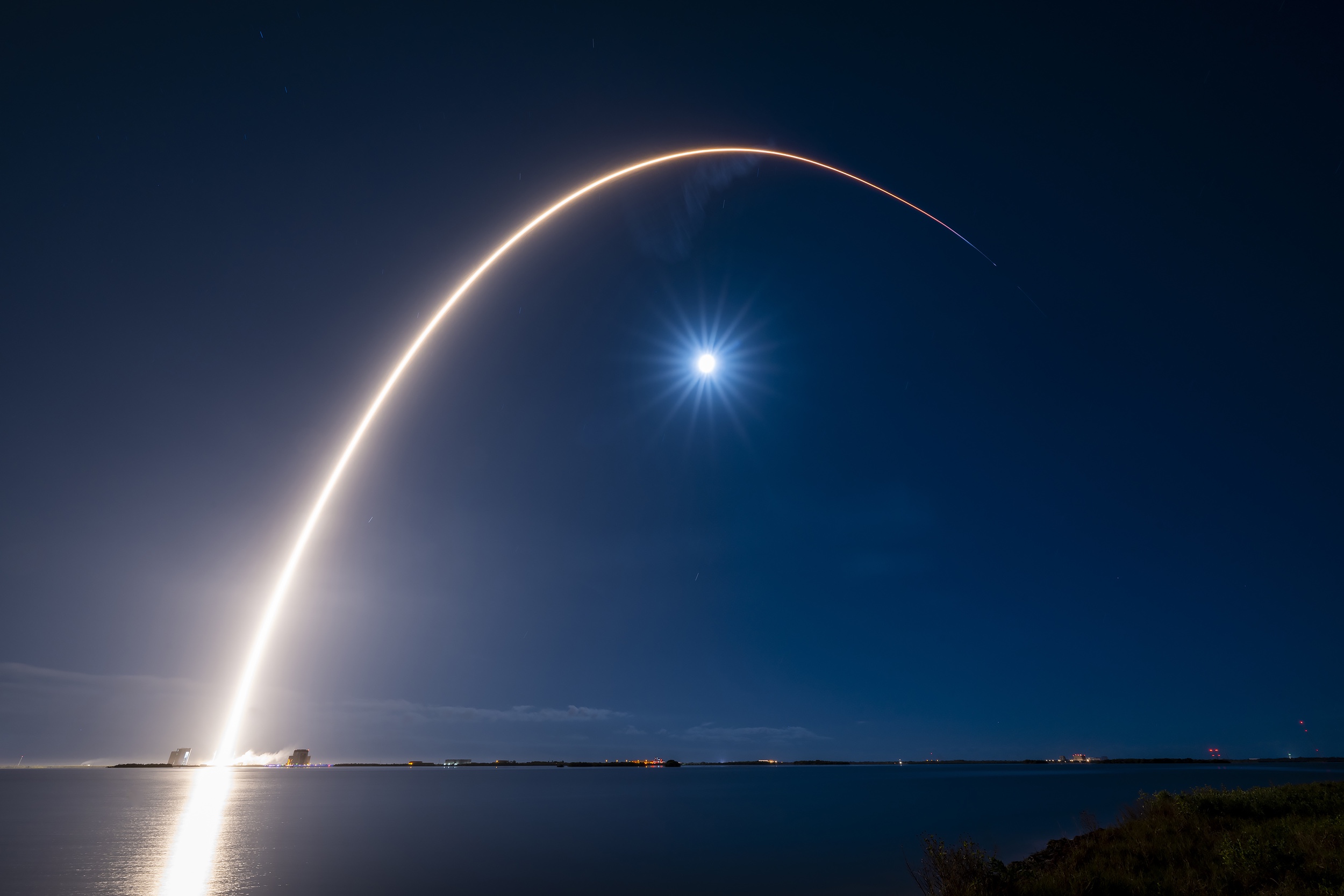
In response to the challenges faced by the air traffic control system during the ongoing government shutdown, the Federal Aviation Administration (FAA) has announced temporary restrictions on the hours during which commercial space launches can occur. This decision, outlined in an order issued on November 6, aims to alleviate the burden on the air traffic control system by confining commercial launches to a specific time frame between 10 p.m. and 6 a.m. local time. The curfew is set to commence at 6 a.m. Eastern on November 10.
The order is part of a broader strategy to introduce "operational reductions" across the National Airspace System. This includes a plan primarily focused on reducing the number of commercial flights at 40 major airports across the United States by up to 10%. The objective is to manage the increased strain on the system caused by the government shutdown, which has led to significant challenges in staffing and operations within air traffic control.
During the shutdown, air traffic controllers have not received their regular pay since early October. This situation has contributed to an uptick in absenteeism, further straining the system and resulting in substantial delays for commercial flights. In some instances, passengers have experienced delays that extend for several hours.
The FAA, in its order, emphasized the urgency of the situation, stating, "While current mitigations have managed risk, delays are increasing, and additional mitigations are now necessary. With continued delays and unpredictable staffing shortages, which are driving fatigue, risk is further increasing, and the FAA is concerned with the system’s ability to maintain the current volume of operations."
The newly imposed restrictions on commercial space launches are unprecedented in recent times. However, their immediate impact on the commercial space industry may be limited. The first launch anticipated to be affected by these restrictions is a Falcon 9 launch of Starlink satellites, which was scheduled between 5:12 and 9:12 p.m. Eastern on November 10 from Cape Canaveral.
Additionally, three other Falcon 9 launches are planned over the following week that could potentially be impacted by the order. These include a Transporter-15 rideshare mission, which is slated to launch from Vandenberg Space Force Base in California at 1:18 p.m. Eastern, along with two more Starlink missions from Florida on November 13 and 14.
Despite the timing of the order, Blue Origin’s planned second New Glenn launch from Cape Canaveral on the afternoon of November 9 will not be affected. However, any delays in this launch could prevent it from proceeding until the restrictions are lifted.
Meanwhile, the United Launch Alliance (ULA) is yet to announce a new date for the Atlas 5 launch of the ViaSat-3 F2 satellite from Cape Canaveral. Previous attempts on November 5 and 6 were scrubbed due to valve issues. Interestingly, these launches were scheduled for after 10 p.m. Eastern, meaning they might still proceed, albeit with a potentially reduced launch window, provided there aren’t extended delays.
The FAA’s order does offer a degree of flexibility, allowing the organization to modify or remove restrictions at the behest of an operator. According to the FAA, "Once funding is restored and the FAA has confidence the stress in the system has adequately decreased, the FAA expects to roll back operational restrictions required by this order to restore normal operations."
Understanding the Impact on the Space Industry
The FAA’s decision highlights the intricate balance required to manage the complexities of modern airspace, which now includes commercial space launches alongside traditional aviation. As the space industry continues to see significant growth, with increasing numbers of launches, the integration of these activities into the national airspace system becomes crucial. This development serves as a reminder of the challenges that arise when unexpected circumstances, such as a government shutdown, intersect with these increasingly frequent launches.
The temporary restrictions might also prompt discussions within the industry about the need for more robust contingency plans to address staffing shortages and system stresses during unforeseen events. As commercial entities continue to push the boundaries of space exploration and satellite deployment, ensuring that these activities can proceed without significant disruption will be essential for maintaining momentum in this rapidly evolving field.
Broader Implications for Air Traffic Management
Beyond its immediate impact on commercial space launches, the FAA’s decision underscores the broader issue of air traffic management during times of crisis. The agency’s ability to adapt to changing circumstances while maintaining safety and efficiency in the national airspace is critical. The current situation highlights the need for ongoing investments in technology and infrastructure to ensure the resilience of the air traffic control system.
In addition, the move may lead to increased dialogue between government agencies and private industry stakeholders to develop more comprehensive strategies for managing airspace demands. As the airspace continues to accommodate a diverse range of activities, from commercial flights to space launches and drones, collaboration will be key to achieving a balanced and efficient system.
Looking Ahead
As the government shutdown persists, the FAA’s temporary restrictions on commercial space launches serve as a practical measure to alleviate the strain on the national airspace system. While the immediate impact on the space industry may be limited, the decision underscores the importance of adaptability and resilience in managing the complex dynamics of modern airspace.
For stakeholders in the aviation and space industries, this situation presents an opportunity to reflect on current practices and explore ways to enhance the robustness of their operations. As technological advancements continue to drive growth in both sectors, ensuring the seamless integration of these activities will be vital for sustaining progress and innovation.
In conclusion, the FAA’s temporary restrictions represent a strategic response to the challenges posed by the ongoing government shutdown. By taking proactive steps to manage the stress on the air traffic control system, the agency is working to maintain the safety and efficiency of the national airspace while navigating the complexities of an increasingly dynamic environment.
For more Information, Refer to this article.