






















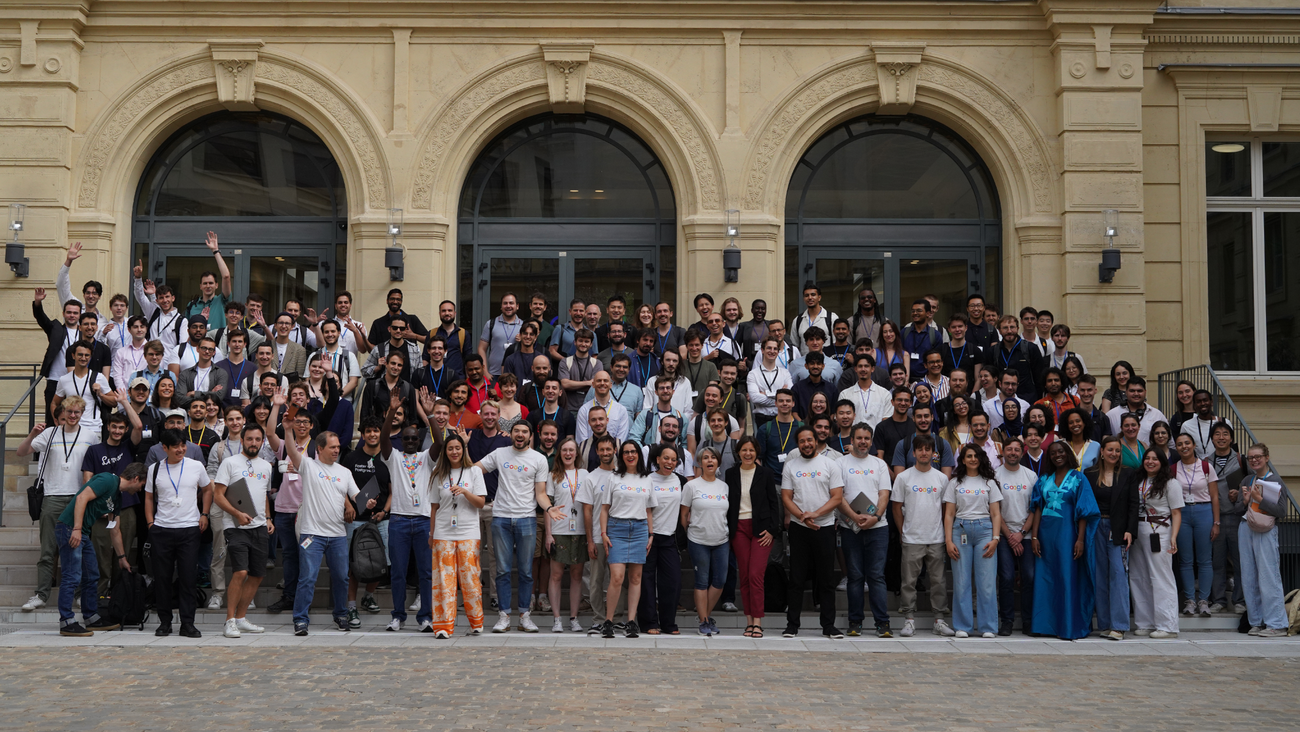
In a significant stride towards revolutionizing the healthcare sector, artificial intelligence (AI) is gradually reshaping what is achievable, from refining clinical trials to streamlining administrative duties. Recently, Google France took a proactive step to expedite this transformation by organizing an intensive 12-hour hackathon. This event united 130 experts with a shared mission: to develop innovative medical prototypes utilizing open AI models.
During the hackathon, 26 teams embarked on an ambitious journey to leverage Google’s open models, such as Gemma, MedGemma, and TxGemma. These teams aimed to create practical solutions to a wide array of challenges, including enhancing emergency room triage systems and offering improved support for cancer patients. The creativity and problem-solving skills showcased at this event are a testament to the broader European movement of applying AI in medicine and life sciences.
The Role of AI in Healthcare
AI’s potential in healthcare is vast and multifaceted. By employing machine learning algorithms, healthcare providers can analyze vast volumes of data to achieve more accurate diagnoses and personalized treatment plans. For instance, AI can assist in identifying patterns in patient data that might be missed by human eyes, thus leading to early detection of diseases. Moreover, AI’s ability to automate administrative tasks can free up valuable time for healthcare professionals, allowing them to focus more on patient care.
Innovating with Google’s Open Models
The hackathon’s core objective was to harness the power of Google’s open AI models to address pressing healthcare challenges. These models include:
- Gemma: Designed for general AI tasks, Gemma serves as a versatile tool adaptable to various healthcare applications.
- MedGemma: A specialized extension of Gemma, MedGemma focuses on medical applications, providing tailored solutions for healthcare challenges.
- TxGemma: This model is particularly geared towards improving drug development and therapeutic processes, offering insights that could accelerate the development of new treatments.
Teams at the hackathon demonstrated remarkable ingenuity in applying these models. For example, one team developed a prototype to streamline emergency room triage by using AI to prioritize patients based on the severity of their conditions. Another team focused on oncology, creating a model to provide personalized support for cancer patients, thereby improving their treatment journey.
Europe’s Commitment to Digital Health
The enthusiasm and innovation displayed at the hackathon are part of a larger European initiative to integrate AI into healthcare. Recognizing the potential of AI to transform medical practices, Google.org has pledged $5 million to support organizations that are using AI to advance healthcare within Europe. This funding will empower local entities to build robust digital health ecosystems, fostering collaboration and innovation in the sector.
The Future of AI in Medicine
The integration of AI in healthcare is still in its nascent stages, yet the possibilities are endless. As technology continues to evolve, AI could revolutionize patient care by offering more personalized and efficient treatments. For instance, in the realm of diagnostics, AI tools could analyze medical images with greater accuracy than human radiologists, leading to more reliable results. In therapeutics, AI could streamline drug discovery processes, making the development of new medications faster and more cost-effective.
Challenges and Considerations
While the potential benefits of AI in healthcare are immense, there are also challenges to consider. One significant concern is data privacy and security. With AI systems processing vast amounts of personal health information, ensuring that this data is protected against breaches is paramount. Additionally, there is the challenge of integrating AI tools into existing healthcare systems, which may require significant changes in infrastructure and workflows.
Reactions and Reviews
The hackathon has been met with positive reactions from both participants and observers. Many have praised the collaborative spirit and the innovative solutions developed during the event. The commitment from Google.org has also been welcomed as a crucial step in supporting the growth of AI-driven healthcare solutions in Europe.
In conclusion, the recent hackathon organized by Google France is a clear indicator of the potential AI holds in transforming healthcare. By fostering innovation and supporting digital health ecosystems, events like these pave the way for a future where AI-driven solutions contribute significantly to improving patient outcomes. As AI continues to evolve, its application in healthcare promises to bring about advancements that could redefine how medical care is delivered worldwide.
For more insights into the impact of AI on healthcare advancements, you can explore Google’s official announcement here.
For more Information, Refer to this article.




![[Interview] Inside Spatial Signage: How Samsung Brought Glasses-Free 3D Displays to Life](https://www.hawkdive.com/media/samsung-tvs-and-displays-spatial-signage-interview_thumb932-218x150.jpg "Samsung’s Glasses-Free 3D Displays: The Inside Story [Interview]")