














![[Video] Samsung Color E-Paper: A Smarter Alternative to Traditional Posters](https://www.hawkdive.com/media/samsung-tvs-and-displays-samsung-color-e-paper-samsung-vxt-digital-signage_thumb932-218x150.jpg "Samsung introduces Color E-Paper as innovative poster alternative.")







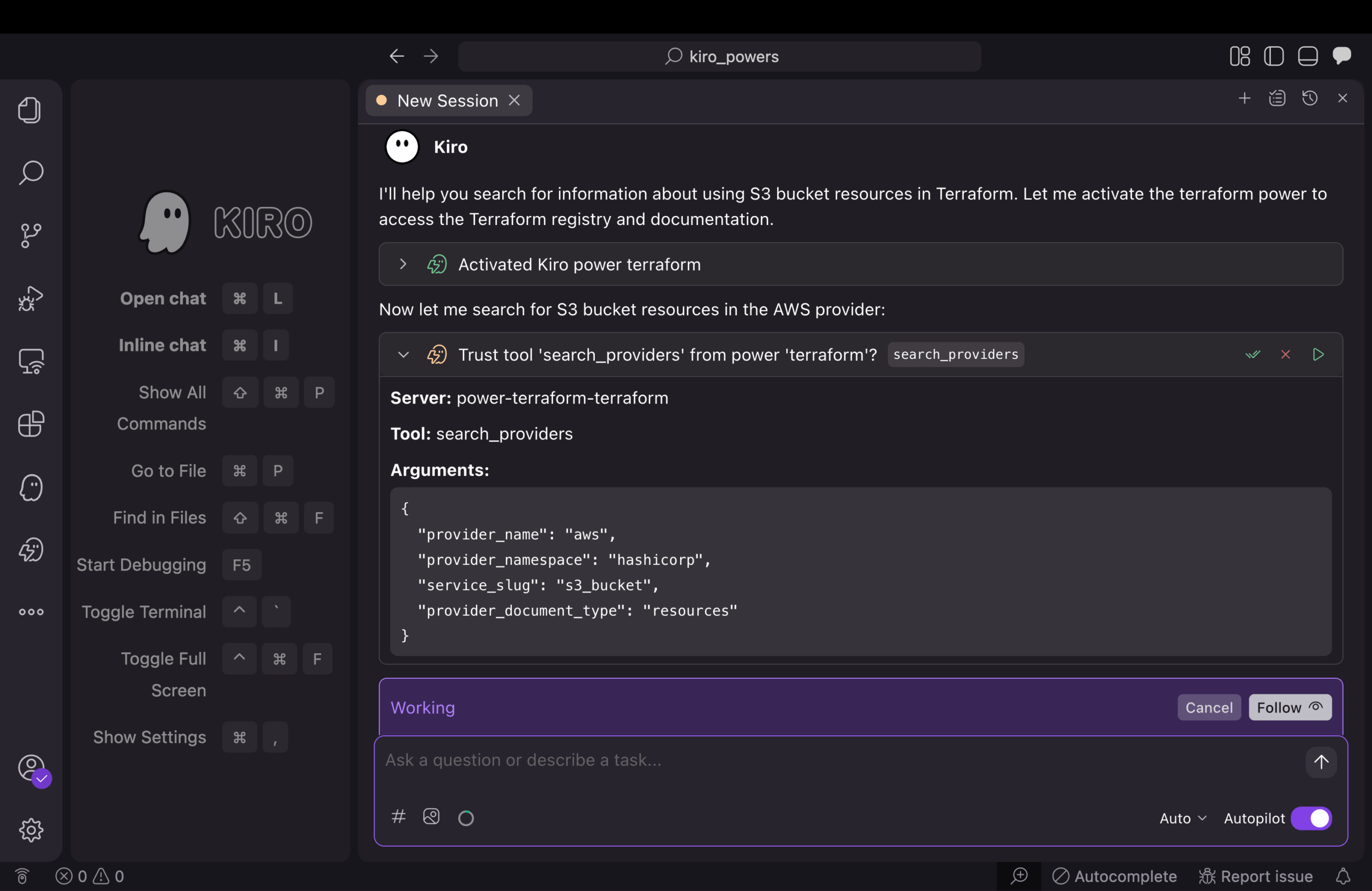
This summer, Amazon Web Services (AWS) made waves in the tech industry with the launch of its innovative artificial intelligence-powered integrated development environment (IDE) and command-line interface (CLI) known as Kiro. Evolving with the needs of developers, AWS recently unveiled a significant enhancement at the re:Invent 2025 conference: an addition known as "Kiro powers." This new feature is set to revolutionize how developers interact with Kiro, bringing about a more dynamic and specialized development experience. Today, we delve into the specifics of this announcement and explore the implications it holds for developers, particularly through its collaboration with HashiCorp.
Understanding Kiro Powers
Kiro powers are essentially specialized modules that can be integrated into the Kiro environment to provide context-specific tools and expertise. Imagine having a personal assistant within your development environment, equipped with specialized knowledge about a particular technology. That’s what a Kiro power offers. It bundles together a set of tools, configuration files, and hooks tailored for a specific technology, making it easier for developers to work seamlessly within the Kiro platform. This setup is reminiscent of a traditional Management Control Protocol (MCP) server but with a more dynamic and efficient approach.
Unlike traditional MCP servers, which tend to load all tools and configurations upfront, Kiro powers activate only when necessary. This on-demand method prevents agents from being overwhelmed with excessive information and reduces unnecessary consumption of tokens—a unit of resource allocation within the Kiro system.
With Kiro powers, developers no longer need to switch constantly between their IDE and external documentation. Instead, the necessary information and tools are available within the IDE, only surfacing when needed. This streamlined workflow not only enhances productivity but also allows for a more focused and clutter-free development environment. Moreover, Kiro powers are designed with openness in mind, enabling anyone to build and share their own powers with the community.
HashiCorp Terraform Power: A Game Changer
One of the most exciting announcements related to Kiro powers is the partnership with HashiCorp to introduce a Terraform power. Terraform is a popular tool for infrastructure as code, allowing developers to define and provide data center infrastructure using a high-level configuration language. The introduction of a Terraform power within Kiro promises to bring infrastructure as code expertise directly into the development workflow, significantly simplifying cloud infrastructure management for developers.
With the Terraform power installed in Kiro, developers can activate it automatically by mentioning infrastructure-related terms or tasks. This seamless integration provides access to best practices, configuration templates, and deployment workflows without any manual intervention. The power dynamically loads only when needed, thereby conserving tokens and maintaining a clear context window for developers.
The intelligent design ensures that Terraform tools are only active when explicitly required, promoting a cleaner, more efficient, and focused development experience. Developers can now build, manage, and deploy cloud infrastructure using Terraform’s declarative configuration language, all supported by Kiro’s AI-driven assistance.
How to Get Started with Terraform Power in Kiro
Installing the Terraform power within the Kiro environment is a straightforward process. Here’s a step-by-step guide to getting started:
- Open the Powers Panel: Begin by accessing the powers panel in your Kiro IDE.
- Search for Terraform: Use the search function to find the Terraform power.
- Install the Power: Click "Install," and the power will register automatically within your environment.
- Begin Development: Once installed, you can start building infrastructure. The Terraform power activates automatically when you mention terms like "Terraform" or "infrastructure."
Additionally, Kiro offers a custom power import feature, allowing users to import the Terraform power directly from its GitHub repository URL. This feature provides developers with flexibility and ease of use, ensuring they always have access to the latest updates and improvements.
For those interested in exploring further, detailed information about Kiro powers can be found on the official Kiro website (kiro.dev/powers). The Terraform power implementation is also available for review on GitHub.
The Broader Impact and Industry Reactions
The introduction of Kiro powers, particularly the Terraform power, is a significant development in the realm of cloud infrastructure management and software development. By enabling developers to work more efficiently and effectively within a single, cohesive environment, AWS is setting a new standard for what modern development tools can achieve.
Industry experts have lauded this approach for its potential to streamline workflows and reduce cognitive load on developers. The modular nature of Kiro powers ensures that developers have the right tools at their disposal exactly when they need them, without the distraction of unnecessary information.
Furthermore, the open nature of Kiro powers encourages community collaboration and innovation. By allowing developers to create and share their own powers, AWS is fostering a vibrant ecosystem where new ideas and solutions can flourish. This openness not only benefits individual developers but also contributes to the overall advancement of technology.
In conclusion, AWS’s introduction of Kiro powers represents a forward-thinking approach to software development, one that prioritizes efficiency, specialization, and community engagement. The partnership with HashiCorp and the launch of the Terraform power exemplify the potential of this new feature, offering developers an unparalleled level of integration and support for their cloud infrastructure needs. As the industry continues to evolve, tools like Kiro and its powers will undoubtedly play a critical role in shaping the future of software development.
For more Information, Refer to this article.