














![[Video] Samsung Color E-Paper: A Smarter Alternative to Traditional Posters](https://www.hawkdive.com/media/samsung-tvs-and-displays-samsung-color-e-paper-samsung-vxt-digital-signage_thumb932-218x150.jpg "Samsung introduces Color E-Paper as innovative poster alternative.")







Google’s AI Expansion in July: A Comprehensive Overview
In July, Google made significant strides in expanding its artificial intelligence (AI) capabilities, enhancing the accessibility and functionality of its suite of AI tools. This initiative is part of Google’s ongoing effort to integrate AI into everyday technology, making it more intuitive and beneficial for users worldwide. The introduction of new features and models has transformed various aspects of Google’s services, from search and photography to shopping and cybersecurity. This article delves into these advancements, explaining their implications and potential benefits.
AI Enhancements in Google Search
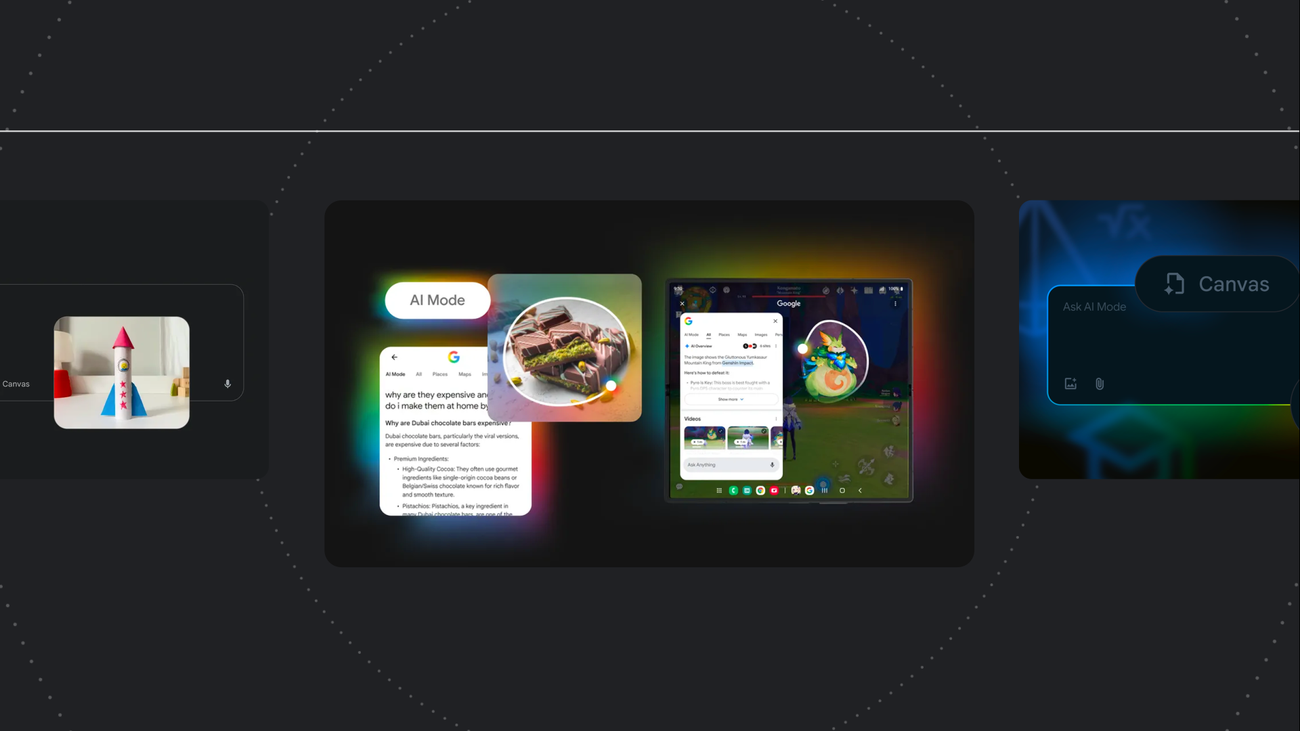
One of the most notable updates in July was the enhancement of Google’s search capabilities through AI. The introduction of AI Mode in Google Search aims to make learning more interactive and efficient, especially for students and educators. This feature is designed to assist with homework and projects by providing smarter, contextually relevant search results. By leveraging AI, Google can offer more precise answers and suggestions, thereby enhancing the educational experience.
In practical terms, this means that students can now rely on Google’s search engine not just to find information, but to gain a deeper understanding of subjects. With AI-powered insights, users can explore complex topics with ease, receiving explanations and connections that might not be immediately apparent through traditional search methods.
Creative Tools in Google Photos
Google has also introduced creative tools within Google Photos, transforming the way users interact with their photo collections. AI is now capable of turning static photos into dynamic videos, a feature that breathes new life into old memories. This capability, often referred to as “Veo 3,” allows users to create engaging video content from their existing photo libraries, making it easier to share and relive cherished moments.
This feature is particularly appealing for individuals who enjoy creating visual stories but may not have advanced video editing skills. By automating the process, Google enables users to effortlessly compile images into polished videos, complete with transitions and effects.
Personalized Shopping Experiences
In the realm of e-commerce, Google has leveraged AI to enhance the online shopping experience. By analyzing user preferences and behaviors, AI can now offer personalized shopping recommendations. This means that when users search for clothing or other products, Google can suggest items that align with their style and preferences, streamlining the shopping process.
This tailored approach not only saves time for consumers but also increases the likelihood of finding products that truly match their tastes. For retailers, this AI-driven personalization can lead to higher customer satisfaction and, consequently, improved sales.
Interpreting Ancient Texts
In a fascinating application of AI, Google has developed models capable of interpreting ancient texts. This advancement holds significant potential for historians, archaeologists, and scholars, as it can unlock insights from historical documents that were previously difficult to analyze. By using AI to decipher these texts, researchers can gain a better understanding of ancient cultures and societies.
This technology works by analyzing patterns in the text and comparing them with known languages and scripts. As a result, AI can provide translations and interpretations that might otherwise require years of study by experts.
Mapping the Planet
Google’s AI initiatives also extend to environmental and geographical applications. With the introduction of models like AlphaEarth, Google aims to map the planet with unprecedented detail. This endeavor supports a variety of fields, including urban planning, disaster response, and environmental conservation.
By providing accurate and detailed maps, AI can assist governments and organizations in making informed decisions about land use and resource management. The long-term implications of this technology are vast, potentially leading to more sustainable development practices worldwide.
Investing in Energy Infrastructure
AI is also being utilized in the energy sector to optimize infrastructure investments. By analyzing large datasets related to energy consumption, production, and distribution, AI models can identify areas for improvement and efficiency gains. This can lead to more strategic investments in energy infrastructure, ultimately supporting the transition to renewable energy sources.
Google’s involvement in this area underscores the role of technology in addressing global challenges like climate change. By improving the efficiency of energy systems, AI can contribute to reducing carbon emissions and promoting sustainable energy practices.
Fighting Cyber Threats
In the ever-evolving landscape of cybersecurity, Google has deployed AI models to protect against cyber threats. These models are designed to detect and respond to malicious activities with greater speed and accuracy than traditional methods. By monitoring network traffic and identifying anomalies, AI can help prevent cyberattacks before they cause significant damage.
For businesses and individuals alike, this represents a crucial advancement in safeguarding sensitive information. As cyber threats become more sophisticated, AI-driven security measures offer a proactive approach to protecting digital assets.
Conclusion: The Impact of AI on Daily Life
Google’s AI advancements in July highlight the transformative potential of artificial intelligence across various domains. From enhancing educational tools and creative applications to revolutionizing shopping experiences and fortifying cybersecurity, AI is becoming an integral part of daily life.
While these developments are promising, it’s important to recognize that Google’s AI initiatives are still experimental. As such, users should approach these tools with an open mind, understanding that they represent the cutting edge of technology but may still have room for refinement.
As AI continues to evolve, it will undoubtedly shape the future of technology and society. By making these tools more accessible and user-friendly, Google is paving the way for a new era of innovation and discovery.
For those interested in exploring these advancements further, additional information can be found on Google’s official website. As we witness the ongoing integration of AI into everyday technology, it’s clear that the possibilities are as vast as they are exciting.
For more Information, Refer to this article.