





























Unveiling New Organic Compounds in Enceladus’ Icy Plumes: Insights from NASA’s Cassini Mission
In a groundbreaking exploration, scientists have delved into data gathered from the icy grains collected during a rapid flyby through a plume on Saturn’s moon Enceladus. This new analysis has unveiled previously undetected organic compounds, providing fresh insights into the ocean beneath the moon’s frozen exterior. NASA’s Cassini mission has once again pushed the boundaries of our understanding of the potential for life beyond Earth.
Discoveries from Saturn’s Moon Enceladus
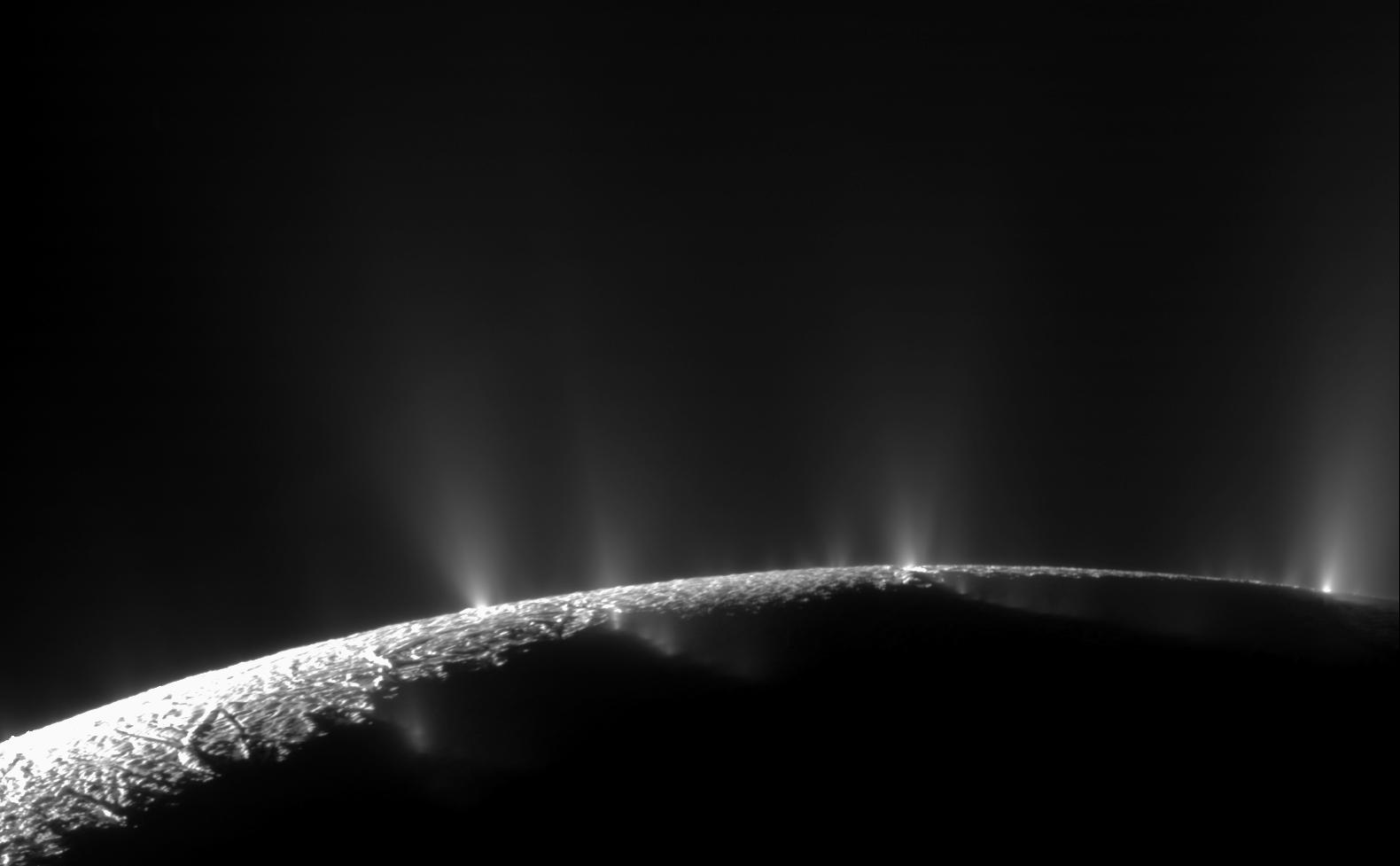
The Cassini spacecraft, a joint mission by NASA, the European Space Agency (ESA), and the Italian Space Agency, has been instrumental in exploring Saturn and its moons. One of its most intriguing targets has been Enceladus, a small icy moon that has exhibited signs of activity below its frozen crust. Scientists have long been fascinated by the plumes of ice particles that erupt from Enceladus, as they offer a glimpse into the moon’s subsurface ocean.
The latest findings, published in Nature Astronomy, mark a significant step in understanding the organic chemistry occurring beneath Enceladus’ surface. The diversity of organic compounds detected in the freshly ejected ice grains suggests that complex chemical processes may be active in the moon’s ocean. This discovery opens up new possibilities for the existence of life-supporting compounds in extraterrestrial environments.
New Organic Compounds Detected
During Cassini’s close flyby, the spacecraft collected ice grains just 13 miles (21 kilometers) from the moon’s surface. This proximity allowed scientists to analyze particles that were freshly ejected from the subsurface ocean, providing a clearer picture of Enceladus’ chemical makeup. The analysis revealed a variety of organic compounds, some of which had never before been detected in such fresh particles.
Nozair Khawaja, the lead author of the study from the Freie Universität Berlin, emphasized the significance of these findings, noting that the organic compounds were found in ice that was only minutes old. This is in contrast to previous detections of organics that had been altered by the harsh radiation environment surrounding Saturn.
The newly identified compounds include those from the aliphatic and cyclic ester and ether families, with some featuring double bonds in their molecular structures. These compounds, along with previously detected aromatic, nitrogen-, and oxygen-bearing compounds, could serve as building blocks for chemical reactions that lead to more complex organic chemistry. Such processes are of great interest to astrobiologists, as they narrow the search for life in our solar system.
Cassini’s Legacy and Future Exploration
The data analyzed in this study was collected in 2008, when Cassini’s Cosmic Dust Analyzer instrument intercepted ice particles during the spacecraft’s high-speed flyby. As the particles collided with the instrument, they were vaporized and ionized, allowing scientists to examine their chemical composition using a mass spectrometer. This detailed analysis revealed the presence of organic compounds that could play a crucial role in the moon’s potential for life.
Frank Postberg, a coauthor of the study, highlighted the importance of these findings, explaining that the complex organic molecules detected in Saturn’s E ring are not merely the result of long exposure to space. Instead, they are readily available in Enceladus’ ocean, suggesting ongoing chemical activity below the surface.
The Cassini-Huygens mission, managed by NASA’s Jet Propulsion Laboratory (JPL) in Southern California, has been a monumental achievement in space exploration. The spacecraft explored the Saturn system for nearly a decade, providing invaluable data that continues to yield new discoveries. As scientists analyze the wealth of information gathered during the mission, the potential for future exploration of Enceladus and other ocean worlds becomes increasingly promising.
Implications for Astrobiology and the Search for Life
The discovery of diverse organic compounds in Enceladus’ plumes has profound implications for the field of astrobiology. These findings suggest that the moon’s subsurface ocean may harbor conditions conducive to life-supporting chemical reactions. While the presence of organic compounds alone does not confirm the existence of life, it strengthens the case for further exploration of Enceladus as a potential habitat for extraterrestrial organisms.
As scientists continue to study the data from Cassini, new questions arise about the processes occurring beneath Enceladus’ icy crust. The presence of complex organic molecules raises the possibility of hydrothermal activity, which could provide the necessary energy for chemical reactions that support life. This discovery also prompts a reevaluation of other icy bodies in the solar system, such as Jupiter’s moon Europa, which may also harbor subsurface oceans with similar potential for life.
Future Missions and Continued Exploration
The success of the Cassini mission underscores the importance of continued exploration of the outer solar system. Future missions to Enceladus and other ocean worlds could provide more detailed insights into their chemical environments and the potential for life. Robotic missions equipped with advanced instruments could probe the plumes of Enceladus more thoroughly, analyzing their composition and searching for signs of biological activity.
The study of Enceladus is a testament to the power of scientific curiosity and the potential for discovery in the vast reaches of space. As scientists build on the legacy of Cassini, they continue to push the boundaries of our understanding of the universe and the possibility of life beyond Earth. The exploration of Enceladus and other ocean worlds will undoubtedly remain a priority for future space missions, as we seek to unravel the mysteries of our solar system and our place within it.
For those interested in learning more about the Cassini mission and its discoveries, further information is available through NASA’s official website: NASA Cassini Mission.
Through these new findings, humanity takes another step forward in its quest to understand the cosmos, driven by the enduring question of whether we are alone in the universe. The exploration of Enceladus and its intriguing plumes of ice continues to captivate scientists and spark the imagination of people around the world, as we look to the stars for answers about the origins of life.
For more Information, Refer to this article.





![[Video] Samsung Color E-Paper: A Smarter Alternative to Traditional Posters](https://www.hawkdive.com/media/samsung-tvs-and-displays-samsung-color-e-paper-samsung-vxt-digital-signage_thumb932-218x150.jpg "Samsung introduces Color E-Paper as innovative poster alternative.")
