


















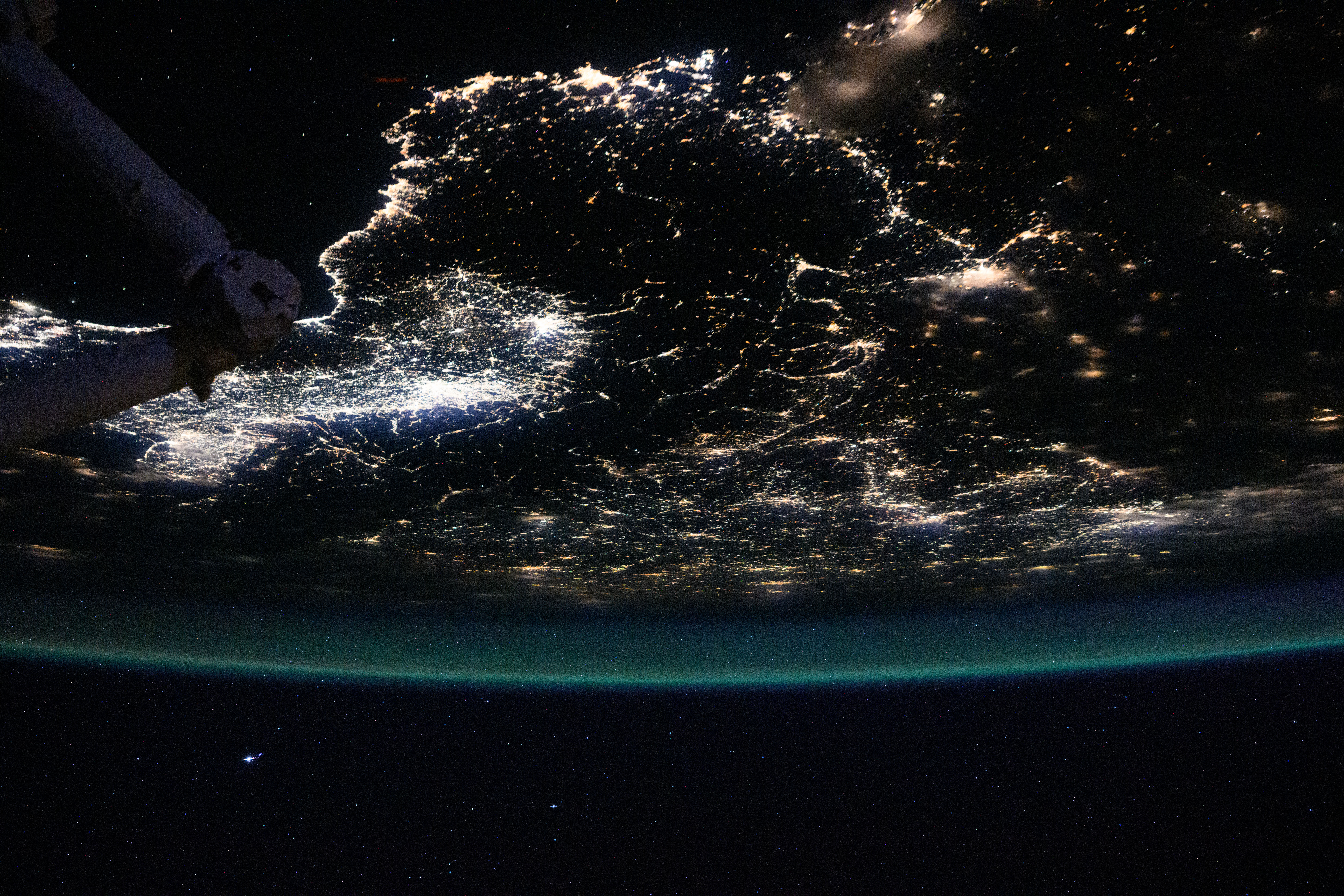
Stunning View of Earth Captured from the International Space Station
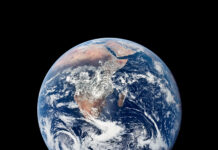
In a breathtaking display of Earth from space, astronaut Kimiya Yui from the Japan Aerospace Exploration Agency (JAXA) recently captured a mesmerizing photograph from aboard the International Space Station (ISS). The image, taken on August 30, 2025, showcases the vibrant and illuminated landscapes of southern Europe and the northwestern Mediterranean coast, as viewed from 261 miles above our planet. This remarkable visual captures the urban sprawl of Italy’s Po Valley, highlighting the bustling metropolitan areas of Milan and Turin, along with their surrounding suburban regions.
The ISS, a collaborative effort among multiple nations, serves as a vantage point for observing our planet from space. Astronauts aboard the ISS have been instrumental in documenting Earth’s diverse landscapes, providing scientists with invaluable data to understand the dynamic changes occurring on our planet. These images are part of the Crew Earth Observations initiative, which enables astronauts to capture high-resolution photographs of Earth, its oceans, and even the Moon, contributing significantly to scientific research and environmental monitoring.
The Significance of Earth Observations from Space
The images captured by astronauts like Kimiya Yui are not just aesthetically pleasing; they play a crucial role in scientific research and environmental monitoring. Through these photographs, scientists can track and analyze the impact of human activities and natural events on Earth’s ecosystems. This includes monitoring deforestation, urban expansion, and the effects of climate change. The visual documentation of these changes is vital for developing strategies to mitigate environmental challenges and promote sustainable development.
Moreover, satellite imagery from the ISS aids in disaster management and response efforts. By providing real-time data on natural disasters such as hurricanes, floods, and wildfires, scientists and emergency responders can coordinate relief efforts more effectively. The ability to observe and analyze these events from space enhances our understanding of their frequency, intensity, and impact, leading to improved disaster preparedness and response strategies.
Advancements in Space-Based Earth Observation
The technology used for capturing Earth images from the ISS has evolved significantly over the years. High-resolution cameras and advanced imaging technologies enable astronauts to capture detailed photographs that reveal intricate details of Earth’s surface. These advancements have improved the quality and accuracy of the data collected, allowing for more precise analysis of environmental changes.
Additionally, the integration of artificial intelligence and machine learning technologies has further enhanced the processing and interpretation of satellite imagery. Automated algorithms can now analyze vast amounts of data, identifying patterns and anomalies that may otherwise go unnoticed. This capability is particularly beneficial for monitoring large-scale environmental phenomena, such as the movement of glaciers, changes in vegetation, and shifts in wildlife habitats.
The Role of International Collaboration in Space Exploration
The success of the ISS and its contributions to Earth observation are a testament to the power of international collaboration in space exploration. The ISS is a joint effort involving space agencies from the United States, Russia, Europe, Japan, and Canada, among others. This collaborative approach not only maximizes the scientific output of the station but also fosters peaceful cooperation among nations, transcending geopolitical boundaries.
By working together, these countries share knowledge, expertise, and resources, leading to advancements in space technology and a deeper understanding of our planet. The ISS serves as a platform for conducting diverse scientific experiments, ranging from biological studies to materials science, contributing to advancements in various fields of research.
The Future of Space-Based Earth Monitoring
As technology continues to advance, the future of space-based Earth monitoring looks promising. New missions and satellite launches are planned to enhance our ability to observe and analyze Earth’s changing environment. These missions will focus on improving data collection and expanding our understanding of complex environmental processes.
One such initiative is the development of next-generation satellites equipped with advanced sensors capable of capturing data across multiple wavelengths. These satellites will provide more comprehensive data on atmospheric conditions, ocean currents, and land surface changes, offering a holistic view of Earth’s systems.
Furthermore, collaborations between space agencies and private companies are expected to drive innovation in space technology, leading to more cost-effective and efficient solutions for Earth observation. This partnership between public and private sectors will likely result in increased accessibility to satellite data, empowering researchers, policymakers, and the general public to make informed decisions regarding environmental conservation and resource management.
Conclusion: The Importance of Earth Observation in a Changing World
The photograph captured by JAXA astronaut Kimiya Yui is a striking reminder of the beauty and complexity of our planet. It underscores the importance of continuous Earth observation from space, providing critical insights into the dynamic changes occurring on our planet. As we face unprecedented environmental challenges, the data collected from space serves as a vital tool for developing sustainable solutions and safeguarding the future of our planet.
For more information on the International Space Station and its contributions to Earth observation, you can visit the official NASA website at nasa.gov.
By emphasizing the significance of these efforts, we can inspire future generations to value and protect our planet, ensuring a sustainable and prosperous future for all.
For more Information, Refer to this article.