




















Exploring the Volcanic Landscape of Mammoth Lakes, California
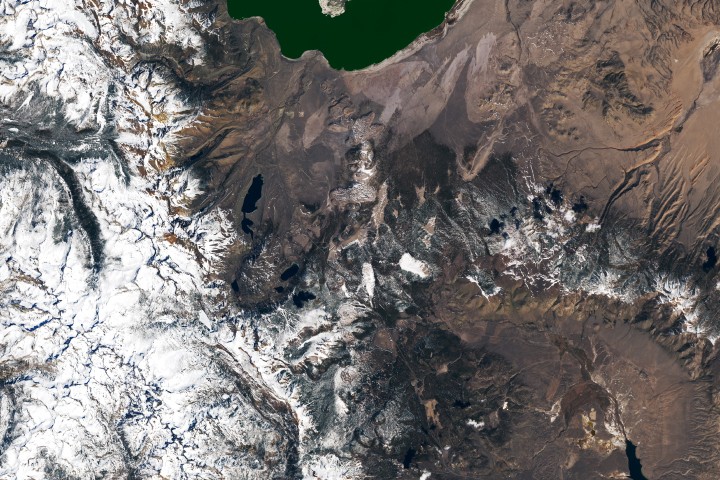
The region surrounding Mammoth Lakes, California, is a geological treasure trove, showcasing a rich volcanic history that dates back thousands of years. Nestled between the Sierra Nevada mountains and the Basin and Range province, this area features an array of volcanic formations, including craters, cones, and calderas. Geologists and planetary scientists alike are drawn to this dynamic landscape, which remains active today and offers insights into both Earth’s geological processes and those of other celestial bodies.
The Mono-Inyo Craters: A Volcanic Chain
One of the most significant volcanic features in this region is the Mono-Inyo Craters. This chain consists of approximately three dozen lava domes, flows, and tephra rings formed within the last 10,000 years. The volcanic activity here has a deeper history, with explosive eruptions occurring long before this time; however, evidence of these older events has largely eroded away.
Among the notable formations in this area is Panum Crater, which was created by a strombolian eruption around 700 years ago. This type of eruption is characterized by intermittent explosive bursts that eject lava fragments into the air. The aftermath left behind a ring of pumice, ash, and obsidian fragments encircling the vent. Over time, a lava dome formed at the center of Panum Crater from materials like pumice and obsidian, creating the distinctive concentric-circle pattern visible today.
Mammoth Mountain: More Than Just Skiing
While Mammoth Mountain is widely recognized for its ski resorts and recreational activities, it also possesses a fascinating volcanic background. The mountain comprises at least 25 overlapping lava domes that testify to its explosive past. Although its last magmatic eruptions occurred roughly 57,000 years ago, more recent steam-driven phreatic eruptions have indicated ongoing geological activity.
In 1989, scientists detected a magma intrusion beneath Mammoth Mountain that triggered increased seismicity (earthquake activity) and volcanic gas emissions. This phenomenon has had ecological consequences; for instance, venting carbon dioxide gas has been linked to tree mortality in certain areas. The U.S. Geological Survey (USGS) continues to monitor CO2 emissions from the mountain to assess their impact on local ecosystems.
Researchers have utilized NASA’s airborne remote sensing technology to study how elevated volcanic CO2 levels affect vegetation around Mammoth Mountain. These studies aim to enhance understanding of ecosystem responses and could potentially lead to earlier warnings about volcanic hazards through satellite imagery analysis.
The Long Valley Caldera: A Historic Eruption
The most dramatic volcanic feature in the vicinity is undoubtedly the Long Valley Caldera. This massive depression was formed during an explosive eruption approximately 760,000 years ago that lasted six days and expelled an astonishing 150 cubic miles (625 cubic kilometers) of material—about twenty times more than what was released during the 1912 Novarupta eruption in Alaska, which was one of the largest eruptions in modern history.
The eruption caused significant subsidence over the magma storage area beneath it, resulting in a vast oval-shaped depression measuring 10 by 20 miles (16 by 32 kilometers). Today, Long Valley Caldera is surrounded by scenic ridges with Mammoth Mountain located just off its southwest edge. Crowley Lake lies to the southeast as part of the Owens River watershed draining this expansive area.
In 2023, NASA’s Goddard Instrument Field Team conducted research at Long Valley Caldera to gain insights into how massive eruptions like this one may have influenced environments on Mars and other celestial bodies within our solar system.
Monitoring Volcanic Activity
The ongoing study of Mammoth Lakes’ volcanic landscape serves not only scientific interests but also public safety concerns. As geologists continue to monitor seismic activity and gas emissions from both Mammoth Mountain and nearby craters like Panum, they gather crucial data that can inform risk assessments for local communities. The integration of advanced technologies such as satellite imagery enhances these efforts by providing comprehensive views of changes in vegetation patterns that may indicate underlying geological shifts.
What This Means
The dynamic volcanic landscape near Mammoth Lakes offers valuable lessons about Earth’s geological processes while also serving as a reminder of nature’s power. Understanding these processes can help mitigate risks associated with potential eruptions or gas emissions that could impact local ecosystems or human safety. As researchers continue to analyze these phenomena using cutting-edge technology, they contribute not only to our knowledge about Earth but also enhance preparedness for similar events elsewhere in our solar system.
For more information, read the original report here.