






















NASA’s Nancy Grace Roman Space Telescope Nears Launch Phase
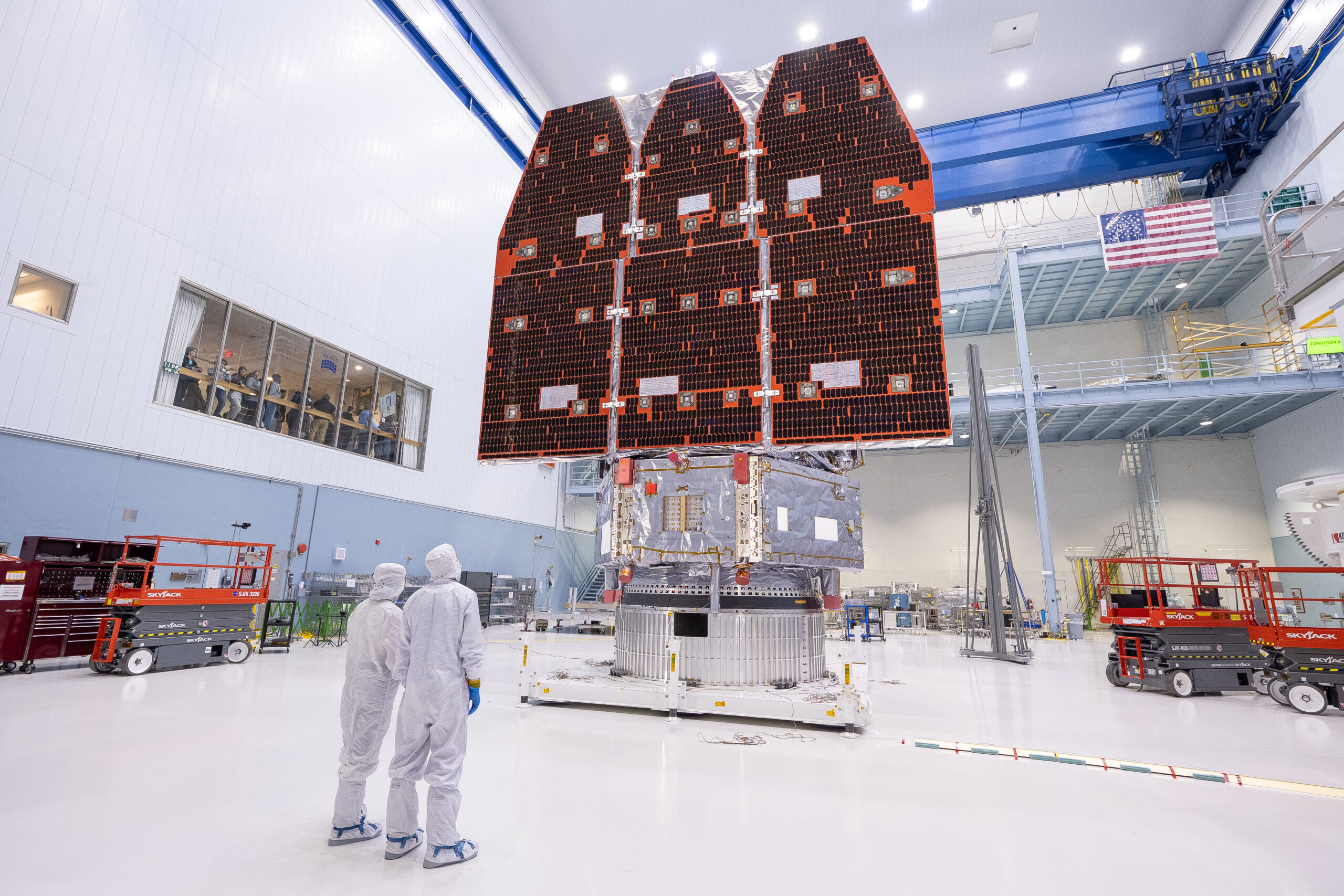
The Nancy Grace Roman Space Telescope, a significant project by NASA, is nearing the completion of its construction phase. Recently, the meticulous task of connecting the inner and outer segments of the telescope was accomplished at the Goddard Space Flight Center in Greenbelt, Maryland. This marks a pivotal moment in the telescope’s development, as the assembly is now fully complete, paving the way for the final testing phase.
A Landmark Achievement in Space Exploration
The successful integration of the telescope’s components is a testament to the precision and dedication of the technicians involved. This milestone not only highlights the progress of the Roman Telescope but also sets the stage for its upcoming journey to the Kennedy Space Center in Florida. Here, it will undergo rigorous launch preparations. The current timeline suggests a launch window as early as the fall of 2026, with the official launch slated for May 2027. However, the team is optimistic about potentially advancing this schedule.
Honoring Dr. Nancy Grace Roman
The telescope is named in honor of Dr. Nancy Grace Roman, who is often hailed as NASA’s first chief astronomer. Dr. Roman was instrumental in the development of space telescopes and is fondly referred to as the "Mother of Hubble." Her visionary work laid the groundwork for the Hubble Space Telescope, which has been pivotal in expanding our understanding of the universe. The Roman Space Telescope is expected to further this legacy, providing unprecedented insights into the cosmos.
Technical Specifications and Capabilities
The Nancy Grace Roman Space Telescope boasts a suite of cutting-edge instruments designed to explore the universe in ways previously unimaginable. Equipped with a wide-field instrument, the telescope will have the capability to capture images with a field of view 100 times greater than that of the Hubble Space Telescope. This feature will allow astronomers to conduct large-scale surveys of the universe, helping to unravel some of the most profound mysteries of space.
In addition to its wide-field capabilities, the Roman Telescope will also include a coronagraph, an instrument designed to block out the light from stars. This will enable scientists to directly image exoplanets and study their atmospheres in detail. Such observations could provide critical clues about the existence of life beyond Earth.
The Road Ahead
With its construction complete, the Roman Space Telescope will soon undergo a series of final tests to ensure its readiness for launch. These tests are crucial for verifying the telescope’s performance in the harsh environment of space. Once these assessments are successfully concluded, the telescope will be transported to the Kennedy Space Center, where it will enter the final phase of launch preparations.
The upcoming period will be a busy one for the team, as they work tirelessly to ensure the telescope’s systems are fully operational and ready for the rigors of space travel. This meticulous process is essential to guarantee the success of the mission and the valuable data it promises to deliver.
A New Era of Discovery
The launch of the Nancy Grace Roman Space Telescope heralds a new era of discovery in astronomy. By building on the achievements of previous missions, the Roman Telescope will provide insights into a range of cosmic phenomena, from the nature of dark energy to the formation of galaxies. Its wide-field surveys will offer a comprehensive view of the universe, enabling scientists to study the cosmos with unprecedented depth and detail.
Moreover, the telescope’s ability to directly image exoplanets will open new avenues in the search for life beyond our solar system. By analyzing the atmospheres of these distant worlds, researchers hope to detect signs of habitability and, potentially, life.
Community and Scientific Reactions
The astronomical community eagerly anticipates the wealth of data that the Roman Space Telescope will provide. Researchers worldwide are preparing for the influx of information, which is expected to revolutionize our understanding of the universe. The telescope’s comprehensive surveys will complement the work of existing observatories, offering new perspectives and enhancing our knowledge of the cosmos.
In addition to its scientific impact, the Roman Telescope also represents a triumph of international collaboration. Scientists and engineers from around the world have contributed to its development, making it a truly global endeavor. This spirit of cooperation underscores the importance of space exploration in fostering international partnerships and advancing human knowledge.
Conclusion: A Bright Future for Space Science
As the Nancy Grace Roman Space Telescope prepares for its upcoming launch, the excitement within the scientific community is palpable. The telescope promises to unlock the secrets of the universe, offering new opportunities for discovery and exploration. Its launch will mark a significant milestone in our quest to understand the cosmos, inspiring future generations of astronomers and space enthusiasts.
For more information and updates on the Nancy Grace Roman Space Telescope, visit the official NASA website. Here, you can explore further details about the mission, view captivating images, and stay informed about the latest developments in this exciting journey into space.
For more Information, Refer to this article.