























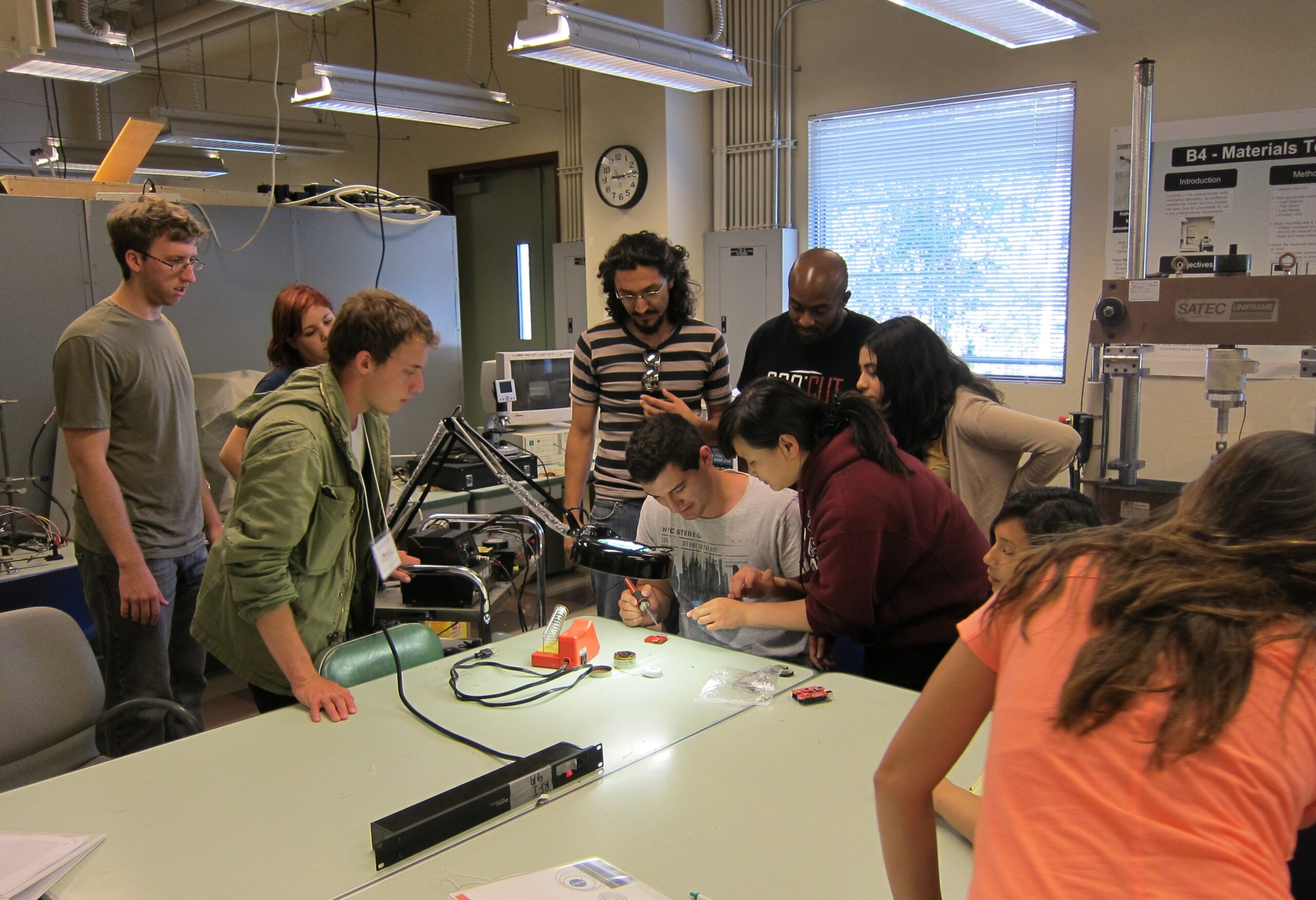
NASA’s Investment in Future Innovators: An Overview of the Space Grant College and Fellowship Program
NASA, the renowned space agency that has been at the forefront of space exploration and technological advancement, has recently announced a substantial investment aimed at nurturing the next generation of scientists, engineers, and innovators. Over the upcoming four years, NASA plans to grant up to $870,000 annually to 52 institutions spread across the United States, including the District of Columbia and Puerto Rico. This investment is part of a broader strategy to support workforce development and promote education in science, technology, engineering, and mathematics (STEM), alongside fostering collaboration in the aerospace sector on a national scale.
The Space Grant College and Fellowship Program: A Brief History
The Space Grant College and Fellowship Program, more simply known as Space Grant, was established by the U.S. Congress in 1989. It serves as a workforce development initiative and is administered through NASA’s Office of STEM Engagement (OSTEM). The mission of this program is to cultivate a highly skilled workforce that is well-equipped to advance NASA’s overarching mission and strengthen the United States’ aerospace industry.
Torry Johnson, the deputy associate administrator of the STEM Engagement Program at NASA Headquarters in Washington, commented on the program’s significance: "The Space Grant program exemplifies NASA’s commitment to cultivating a new generation of STEM leaders. By partnering with institutions across the country, we ensure that students have the resources, mentorship, and experiences needed to thrive in the aerospace workforce." This statement underscores NASA’s dedication to not only maintaining but also expanding its influence in the realm of STEM education and workforce preparation.
List of Participating Institutions
The list of institutions receiving these grants is extensive, reflecting a wide geographical distribution and ensuring a diverse range of students and researchers benefit from this initiative. Some of the notable institutions include:
- University of Alaska, Fairbanks
- University of California, San Diego
- Massachusetts Institute of Technology
- Purdue University, Indiana
- University of Texas, Austin
- University of Washington, Seattle
These institutions, among others, will play a critical role in coordinating efforts within their respective states. They will work to expand opportunities for students and researchers while promoting collaboration with NASA and other aerospace-related industries across the nation.
How the Space Grant Program Works
The Space Grant operates through state-based consortia which include a variety of entities such as universities, university systems, associations, government agencies, industries, and informal education organizations that engage in aerospace activities. Each consortium is led by a primary institution tasked with coordinating efforts within its state. This structure helps to ensure that the program can effectively reach a broad audience and provide meaningful opportunities for involvement in aerospace-related projects.
The Broader Impact of the Space Grant Program
The Space Grant program has far-reaching implications not only for participating students but also for the broader aerospace industry and STEM education landscape. By providing financial support and resources, NASA is helping to develop a pipeline of skilled professionals ready to tackle the challenges of tomorrow. This is particularly vital in an era where technological advancements are rapidly evolving and the demand for skilled workers in STEM fields continues to grow.
Moreover, the program encourages collaboration between educational institutions and the aerospace industry. This collaboration can lead to innovative research projects, the development of cutting-edge technologies, and the preparation of students for careers in an increasingly competitive global market.
Additional Insights and Reactions
The announcement of NASA’s investment in the Space Grant program has been met with enthusiasm and optimism from the academic and aerospace communities. Experts highlight the importance of such initiatives in maintaining the United States’ leadership in space exploration and technology. By investing in education and workforce development, NASA is ensuring that the country remains at the cutting edge of scientific discovery and innovation.
Furthermore, this program aligns with broader national efforts to promote STEM education and address workforce shortages in critical areas. As industries worldwide become more reliant on technology, the need for a highly skilled workforce becomes even more pronounced. Programs like Space Grant are essential in addressing these needs by providing students with the education, training, and opportunities necessary to succeed in their careers.
The Road Ahead
Looking forward, the success of the Space Grant program will depend on continued collaboration and support from both public and private sectors. As NASA works to achieve its ambitious goals in space exploration, including missions to the Moon and Mars, the role of a well-prepared workforce cannot be overstated. By investing in the education and development of future scientists, engineers, and innovators, NASA is laying the groundwork for continued success and leadership in the field of aerospace.
For those interested in learning more about NASA’s missions and programs, additional information can be found on their official website at NASA.
In conclusion, NASA’s commitment to fostering the next generation of STEM leaders through the Space Grant program is a testament to its dedication to both educational excellence and technological advancement. As these investments take root, we can anticipate a future where today’s students become tomorrow’s pioneers in space exploration and beyond.
For more Information, Refer to this article.