





















NASA and ISRO Gear Up for the Launch of the Groundbreaking NISAR Mission
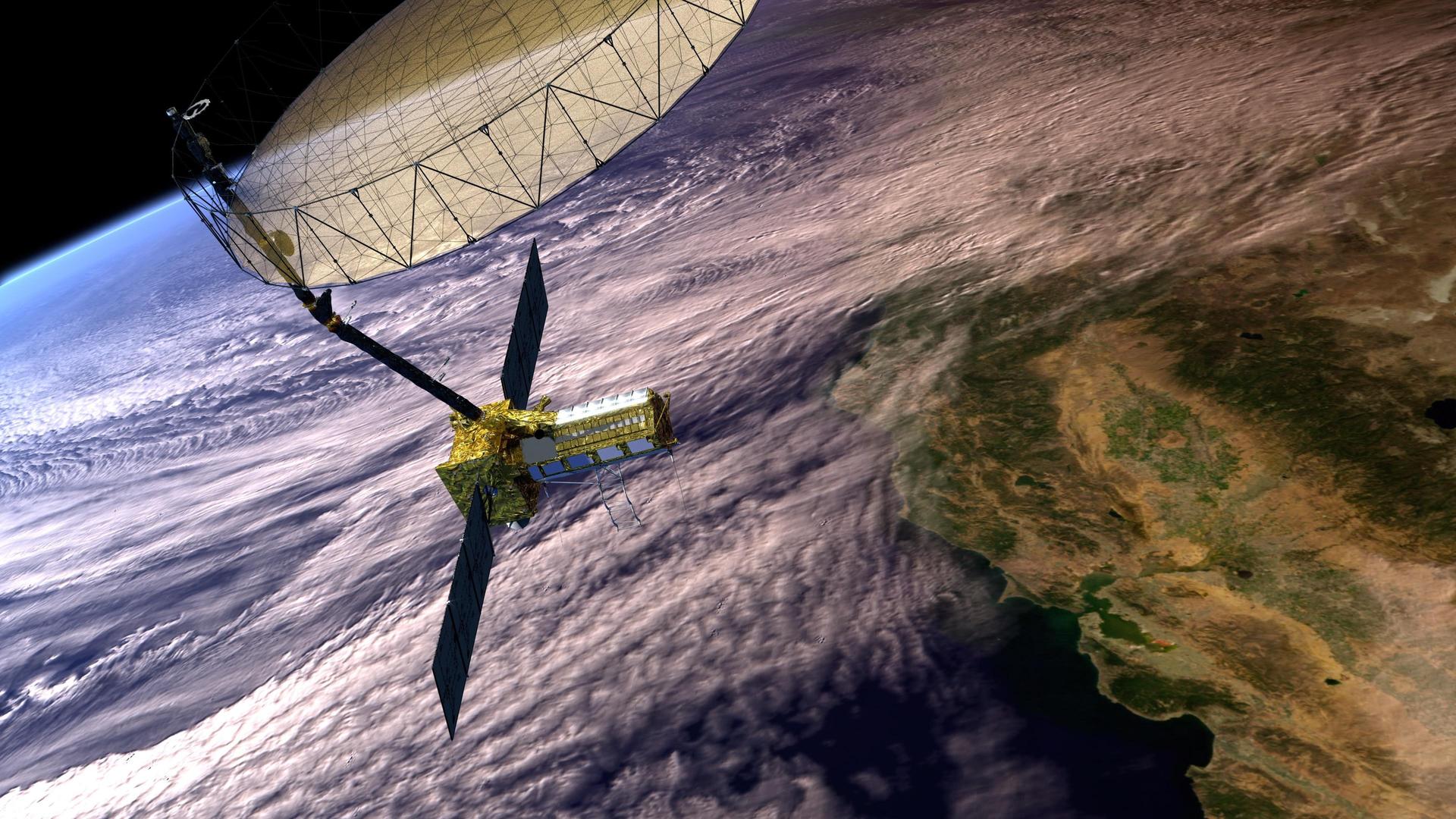
NASA is set to host an important news conference on Monday, July 21, at 12 p.m. EDT to delve into the details of the forthcoming NISAR mission, an initiative marking a significant milestone in space exploration. This event is especially noteworthy because it represents a pioneering collaboration between the United States’ NASA and India’s ISRO (Indian Space Research Organisation). At its core, the NISAR mission is designed to enhance our understanding of Earth’s surface by deploying an advanced radar system that can capture a three-dimensional view of our planet in exceptional detail.
A Closer Look at the NISAR Satellite
The NISAR satellite is poised to make an impressive debut as it prepares to launch from the Satish Dhawan Space Centre, located on India’s southeastern coast in Sriharikota. The scheduled launch is targeted for late July, although the exact date is yet to be confirmed. This satellite is not just another addition to space but a crucial tool in monitoring Earth’s dynamic processes. By utilizing cutting-edge radar technology, NISAR will provide insights into the movement of land and ice surfaces with precision down to the centimeter.
Live Streaming of the Briefing
For those interested in following the developments of this mission, NASA’s Jet Propulsion Laboratory (JPL) in Southern California will be streaming the briefing live across multiple platforms, including X, Facebook, and YouTube. This accessibility ensures that people worldwide can tune in and gain firsthand information about the mission. For additional information on how to access NASA content, viewers can explore various online platforms and social media channels.
Key Participants in the News Conference
The news conference will feature several prominent figures from the space exploration community. Notable participants include:
- Nicky Fox, who serves as the Associate Administrator of the Science Mission Directorate at NASA Headquarters.
- Karen St. Germain, the Director of the Earth Science Division at NASA Headquarters.
- Wendy Edelstein, Deputy Project Manager for NISAR at NASA JPL.
- Paul Rosen, Project Scientist for NISAR at NASA JPL.
These experts will provide insights into the mission’s objectives, expected outcomes, and the technological innovations involved in the NISAR project.
Engaging with the Media and Public
Media representatives interested in posing questions during the briefing must RSVP at least two hours before the event begins. Additionally, the public can participate by submitting questions on social media using the hashtag #AskNISAR. This interactive element ensures that the mission’s details are communicated effectively to a broad audience.
Understanding Synthetic Aperture Radar (SAR)
The NISAR mission is equipped with two radar instruments: an S-band system provided by ISRO and an L-band system provided by NASA. These instruments utilize a technique known as synthetic aperture radar (SAR) to scan nearly all of Earth’s land and ice surfaces twice every 12 days. SAR technology is a sophisticated method that allows scientists to gather data regardless of weather conditions or time of day. It works by sending radar signals to Earth’s surface and measuring the time it takes for the signals to return, creating detailed images and maps.
Each radar system is designed to detect different characteristics of Earth’s surface. The S-band system is sensitive to smaller features, while the L-band system excels in measuring larger-scale attributes such as moisture content, surface roughness, and motion. Together, these systems provide a comprehensive view of the planet’s surface dynamics.
The Mission’s Impact on Understanding Natural Hazards
One of NISAR’s primary goals is to improve our understanding of natural hazards and catastrophic events, including earthquakes, volcanic eruptions, land subsidence, and landslides. By offering real-time data and precise measurements, the mission will equip scientists and policymakers with the information needed to respond effectively to these events.
Moreover, NISAR’s ability to penetrate clouds makes it invaluable during weather disasters such as hurricanes, storm surges, and flooding. The mission will generate detailed maps that reveal both gradual and sudden changes on Earth’s land and ice surfaces, enhancing our capacity to address urgent community needs during such disasters.
Contributions from NASA and ISRO
The NISAR mission is a testament to the collaborative efforts between NASA and ISRO. NASA’s Jet Propulsion Laboratory leads the U.S. component of the project and has provided several critical elements, including the L-band SAR, radar reflector antenna, deployable boom, a high-rate communication subsystem for science data, GPS receivers, a solid-state recorder, and a payload data subsystem. Furthermore, NASA’s Goddard Space Flight Center in Maryland is responsible for managing the Near Space Network, which will receive the L-band data from NISAR.
On the other side, multiple ISRO centers have made significant contributions to the mission. The Space Applications Centre is responsible for the S-band SAR, while the U R Rao Satellite Centre has provided the spacecraft bus. The rocket is supplied by the Vikram Sarabhai Space Centre, with launch services facilitated by the Satish Dhawan Space Centre. ISRO’s Telemetry Tracking and Command Network will oversee satellite mission operations, and the National Remote Sensing Centre will handle S-band data reception and distribution.
Additional Information
For readers interested in exploring more about the NISAR mission, detailed information is available on the mission’s official website. This resource provides comprehensive insights into the mission’s objectives, technological innovations, and collaborative efforts between NASA and ISRO.
In conclusion, the upcoming NISAR mission represents a groundbreaking step in space exploration, showcasing the power of international collaboration and technological innovation. By delivering unprecedented insights into Earth’s surface dynamics, NISAR is poised to enhance our understanding of natural processes and improve our ability to respond to environmental challenges. For more details, visit the official NISAR website at NISAR Mission.
For more Information, Refer to this article.