












![[Interview] Inside Spatial Signage: How Samsung Brought Glasses-Free 3D Displays to Life](https://www.hawkdive.com/media/samsung-tvs-and-displays-spatial-signage-interview_thumb932-218x150.jpg "Samsung’s Glasses-Free 3D Displays: The Inside Story [Interview]")






NASA’s Artemis Training: A Step Closer to Lunar Exploration
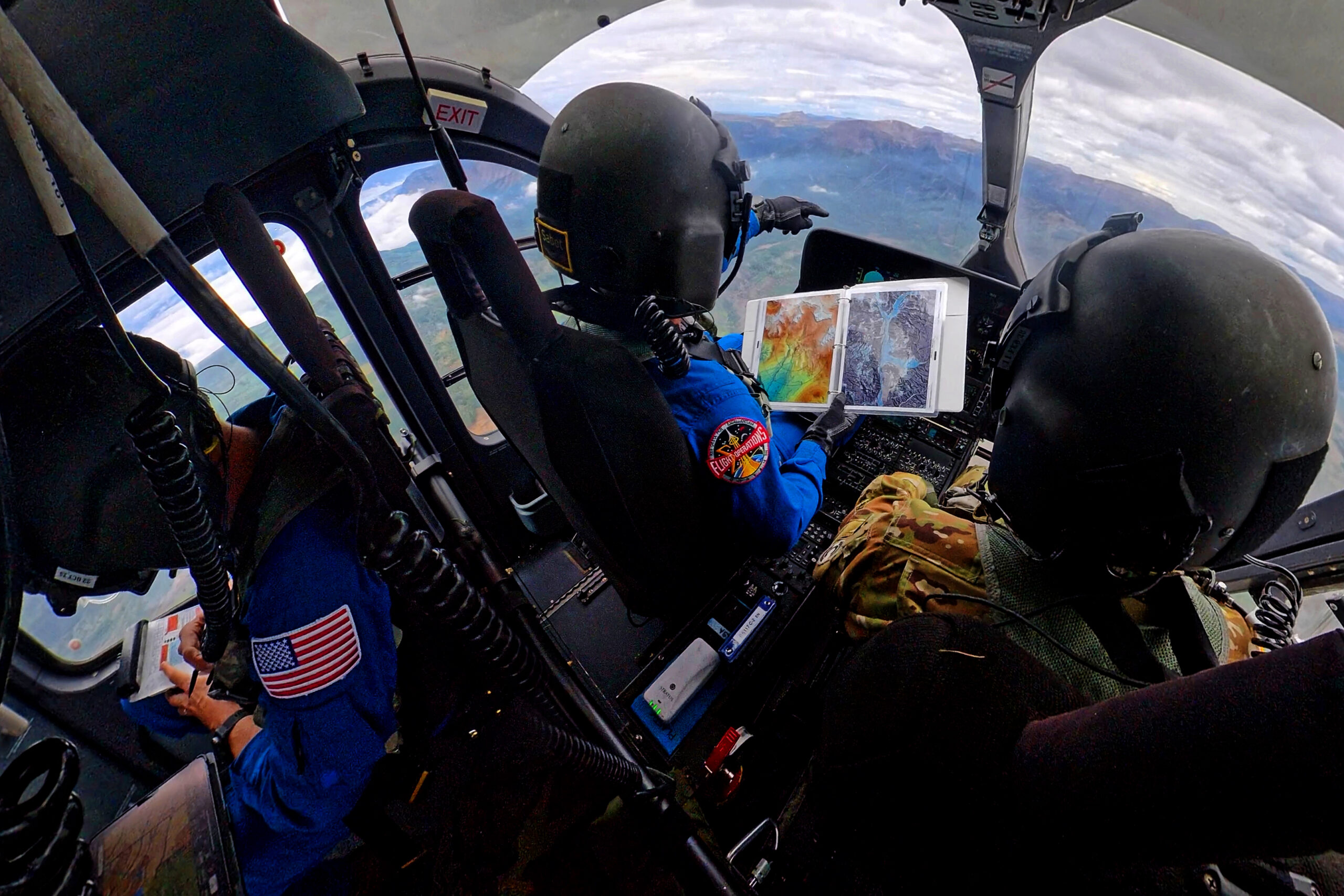
In a significant stride towards deep space exploration, NASA astronauts Matthew Dominick and Mark Vande Hei recently embarked on a critical mission readiness exercise, flying out to a designated landing zone within the Rocky Mountains. This exercise is an essential component of the newly certified Artemis lander flight training course, scheduled for completion on August 26, 2025. The rugged terrain and atmospheric conditions of the northern Colorado mountains closely mimic the lunar environment, making it an ideal location for such preparatory activities.
Paving the Way for Lunar and Martian Exploration
The Artemis program represents NASA’s ambitious endeavor to return humans to the Moon, specifically targeting the unexplored lunar South Pole. This initiative not only aims to conduct extensive scientific research on the Moon but also serves as a crucial stepping stone for subsequent human expeditions to Mars and beyond. By enabling astronauts to rehearse landings in challenging environments similar to the Moon’s, NASA is ensuring that its crew is well-prepared for the conditions they will face during actual lunar missions.
Understanding the Artemis Lander Flight Training
The Artemis lander flight training program is meticulously designed to simulate the unique challenges of lunar landings. These include dealing with low gravity, navigating the Moon’s stark landscape, and managing the visual illusions created by its monochrome surface. The Rocky Mountains provide a fitting backdrop for such training due to their varied topography and the visual disorientation they can induce, akin to the lunar terrain.
The training involves multiple facets:
- Simulated Landings: Pilots practice descent and landing maneuvers using advanced simulators that replicate the Moon’s gravitational forces and surface conditions.
- Navigation Drills: Astronauts are trained to navigate the terrain using both manual and automated systems, ensuring they can adapt to any unforeseen challenges during the mission.
- Safety Protocols: Emphasis is placed on emergency response and safety measures to prepare crews for potential contingencies during lunar landings.
The Importance of Lunar South Pole Exploration
The lunar South Pole is of particular interest to scientists and researchers due to the presence of water ice in its permanently shadowed regions. This resource could prove invaluable for sustaining human presence on the Moon, providing both drinking water and a source of hydrogen for fuel. Moreover, studying the geology of this region could offer new insights into the history of our solar system.
Looking Towards Mars and Beyond
The Artemis program is not merely about returning to the Moon; it is a foundational step for human exploration of Mars and potentially other celestial bodies. By mastering the complexities of lunar missions, NASA is building the expertise and technology needed to undertake longer and more challenging missions to Mars. This includes developing life support systems, habitation modules, and sustainable mission strategies that will be essential for the long-duration spaceflights required to reach and explore the Red Planet.
Community and Industry Reactions
The Artemis program has garnered widespread attention and support from both the scientific community and industry leaders. Experts in space exploration emphasize the importance of such training exercises in mitigating risks and enhancing mission success rates. Companies involved in space technology see this as an opportunity to innovate and contribute to humanity’s journey into deeper space.
Conclusion
The recent training exercise in the Rocky Mountains marks a pivotal moment in NASA’s journey back to the Moon and forward to Mars. As the Artemis program progresses, it continues to inspire a new generation of explorers and scientists, while paving the way for unprecedented exploration of our solar system. The meticulous preparation and training of astronauts like Matthew Dominick and Mark Vande Hei are crucial to ensuring the success and safety of these ambitious missions.
For more information on the Artemis training program, you can visit NASA’s official Artemis Campaign Development Division page.
For more Information, Refer to this article.