














![[Video] Samsung Color E-Paper: A Smarter Alternative to Traditional Posters](https://www.hawkdive.com/media/samsung-tvs-and-displays-samsung-color-e-paper-samsung-vxt-digital-signage_thumb932-218x150.jpg "Samsung introduces Color E-Paper as innovative poster alternative.")







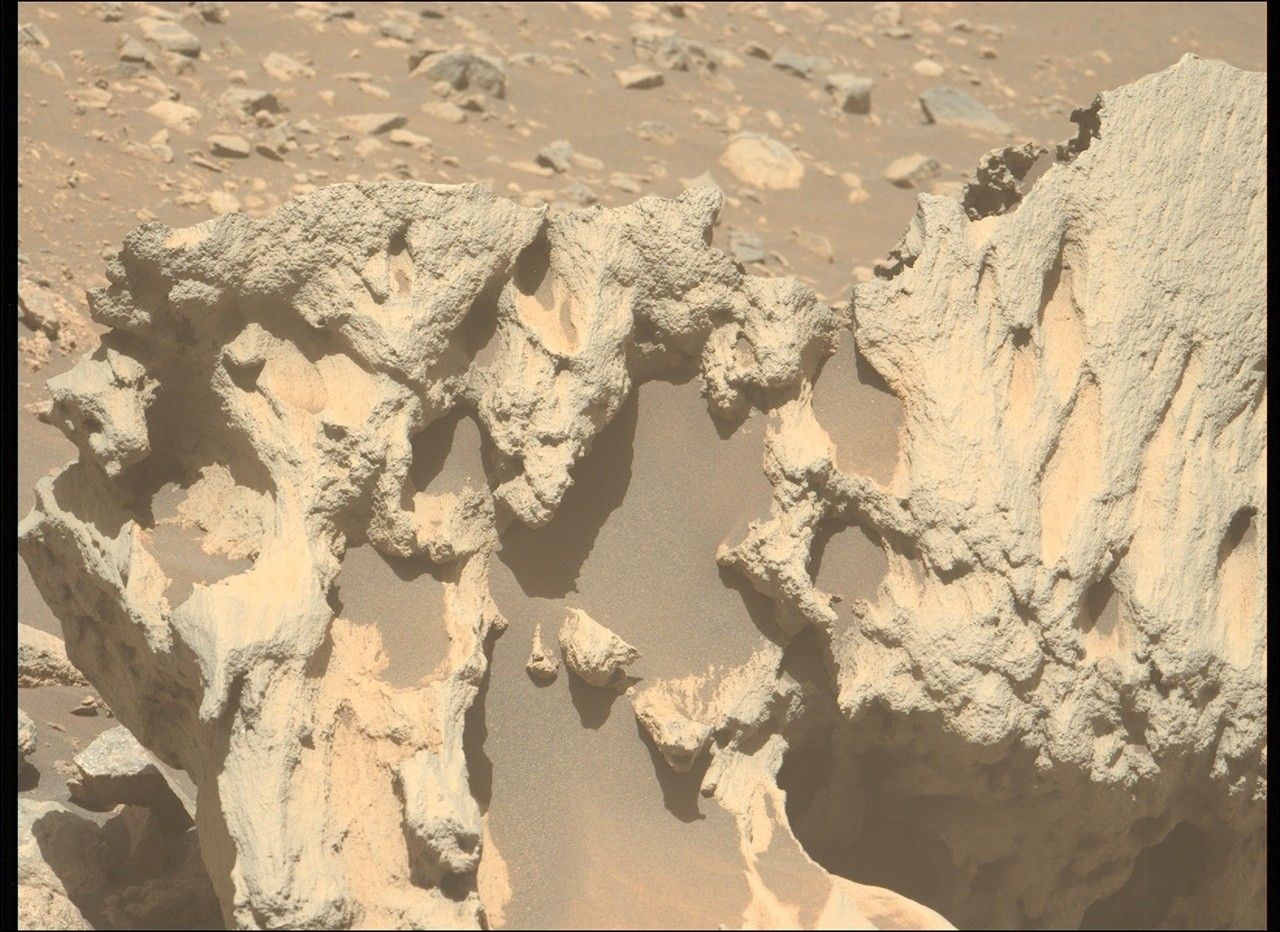
Perseverance Rover’s Important Discovery on Mars: Unveiling "Phippsaksla," A Potential Meteorite
In an extraordinary development on Mars, NASA’s Perseverance rover has recently encountered an intriguing geological formation that has sparked significant interest among scientists. This discovery, which took place during the rover’s examination of the Martian surface, adds another layer of excitement to the mission’s ongoing exploration of the Red Planet.
Discovering "Phippsaksla": A Unique Formation
As the Perseverance rover traversed the Martian landscape, it came upon a distinctively shaped rock, approximately 80 centimeters in size, named "Phippsaksla." This rock stood out due to its unique, elevated appearance, which contrasted sharply with the surrounding low-lying, fragmented terrain. The unusual shape and placement of Phippsaksla caught the attention of scientists, prompting further investigation.
Analyzing the Composition
Utilizing the advanced capabilities of its onboard SuperCam instrument, Perseverance conducted a detailed analysis of Phippsaksla’s composition. The findings were intriguing: the rock was discovered to have a high concentration of iron and nickel. This specific combination of elements is typically associated with iron-nickel meteorites, which are thought to originate from the core of large asteroids.
The presence of such elements in Phippsaksla suggests that this rock might have formed elsewhere in the solar system, potentially making it a meteorite. This revelation not only highlights the rover’s ability to identify and analyze extraterrestrial materials but also provides valuable insights into the history and composition of materials that have impacted Mars over time.
Historical Context: Meteorites on Mars
The discovery of potential meteorites on Mars is not unprecedented. Previous missions, such as those undertaken by the Curiosity rover, have identified several iron-nickel meteorites on the Martian surface. Notable examples include the "Lebanon" meteorite found in 2014 and the "Cacao" meteorite discovered in 2023. The Mars Exploration Rovers, Opportunity and Spirit, also encountered iron-nickel meteorites during their missions, contributing to our understanding of Martian geology and the planet’s interaction with space debris.
Interestingly, despite the similar age and geological context of Jezero Crater (where Perseverance is operating) and Gale Crater (explored by Curiosity), Perseverance had not previously identified any iron-nickel meteorites in its vicinity. This made the discovery of Phippsaksla particularly noteworthy.
The Significance of Phippsaksla’s Discovery
The potential identification of Phippsaksla as a meteorite holds significant scientific value. If confirmed, it would mark the first time Perseverance has identified an iron-nickel meteorite on the Martian surface, joining the ranks of other successful rover missions that have encountered similar extraterrestrial materials.
The implications of this discovery extend beyond mere identification. The composition and characteristics of meteorites can provide crucial information about the conditions and processes that exist beyond Earth. By studying these materials, scientists can gain insights into the formation and evolution of our solar system, the history of planetary impacts, and the potential for life on other planets.
The Ongoing Exploration of Mars
Perseverance’s encounter with Phippsaksla is just one of many exciting developments in the rover’s mission to explore Mars. The rover is equipped with a suite of sophisticated scientific instruments designed to examine the planet’s geology, atmosphere, and potential signs of past life. As Perseverance continues its journey across the Martian landscape, it will undoubtedly uncover more intriguing features and phenomena, further enhancing our understanding of the Red Planet.
A Closer Look at Perseverance’s Capabilities
The success of the Perseverance mission is a testament to the advanced technology and engineering that has gone into its design. The rover is equipped with a variety of instruments, including the Mastcam-Z camera system, which captures high-resolution images of the Martian surface, and the SuperCam, which analyzes rock and soil composition using laser-induced breakdown spectroscopy.
These instruments, along with others such as the MOXIE experiment (which aims to produce oxygen from the Martian atmosphere) and the SHERLOC instrument (which uses spectrometry to detect organic compounds), enable Perseverance to conduct comprehensive scientific investigations. This technological prowess is crucial for identifying and analyzing materials like Phippsaksla, ensuring that each discovery contributes valuable data to our growing body of knowledge about Mars.
Looking Ahead: The Future of Mars Exploration
The discovery of Phippsaksla represents a significant milestone in the Perseverance mission, but it is just the beginning of what promises to be an exciting exploration of Mars. As the rover continues its mission, it will aim to collect and cache samples of Martian rock and soil for potential future return to Earth. This ambitious endeavor, known as the Mars Sample Return campaign, involves collaboration between NASA, the European Space Agency (ESA), and other international partners.
By bringing Martian samples back to Earth, scientists will have the opportunity to conduct detailed laboratory analyses that are not possible with rover-based instruments alone. This will allow for a deeper understanding of the planet’s geology, climate history, and potential habitability.
Engaging the Public: Sharing the Journey
NASA has made it a priority to engage the public and share the journey of the Perseverance mission through various multimedia platforms. High-quality images, videos, and updates are regularly released, providing a glimpse into the rover’s daily activities and discoveries. This transparency not only fosters public interest and excitement but also inspires the next generation of scientists and engineers.
For those interested in following the latest developments from the Perseverance team, NASA provides mission updates and detailed information about the rover’s scientific instruments and objectives. These resources offer valuable insights into the ongoing exploration of Mars and the groundbreaking discoveries being made by Perseverance.
Conclusion
The discovery of Phippsaksla, a uniquely shaped rock with a composition suggesting it may be a meteorite, highlights the remarkable capabilities of the Perseverance rover and the scientific potential of its mission on Mars. As scientists continue to analyze this intriguing find, the possibility of uncovering more meteorites and other geological wonders remains high.
The Perseverance mission represents a critical step forward in our quest to understand Mars and its role in the solar system. Each discovery, like Phippsaksla, adds to the growing body of knowledge about the Red Planet and its history. With continued exploration and collaboration, the mysteries of Mars will gradually be unveiled, providing insights that could shape the future of space exploration and our understanding of the universe.
For further information and updates on the Perseverance mission, readers are encouraged to visit the official NASA website, where they can explore detailed reports, images, and videos documenting the rover’s journey and discoveries.
For more Information, Refer to this article.