





















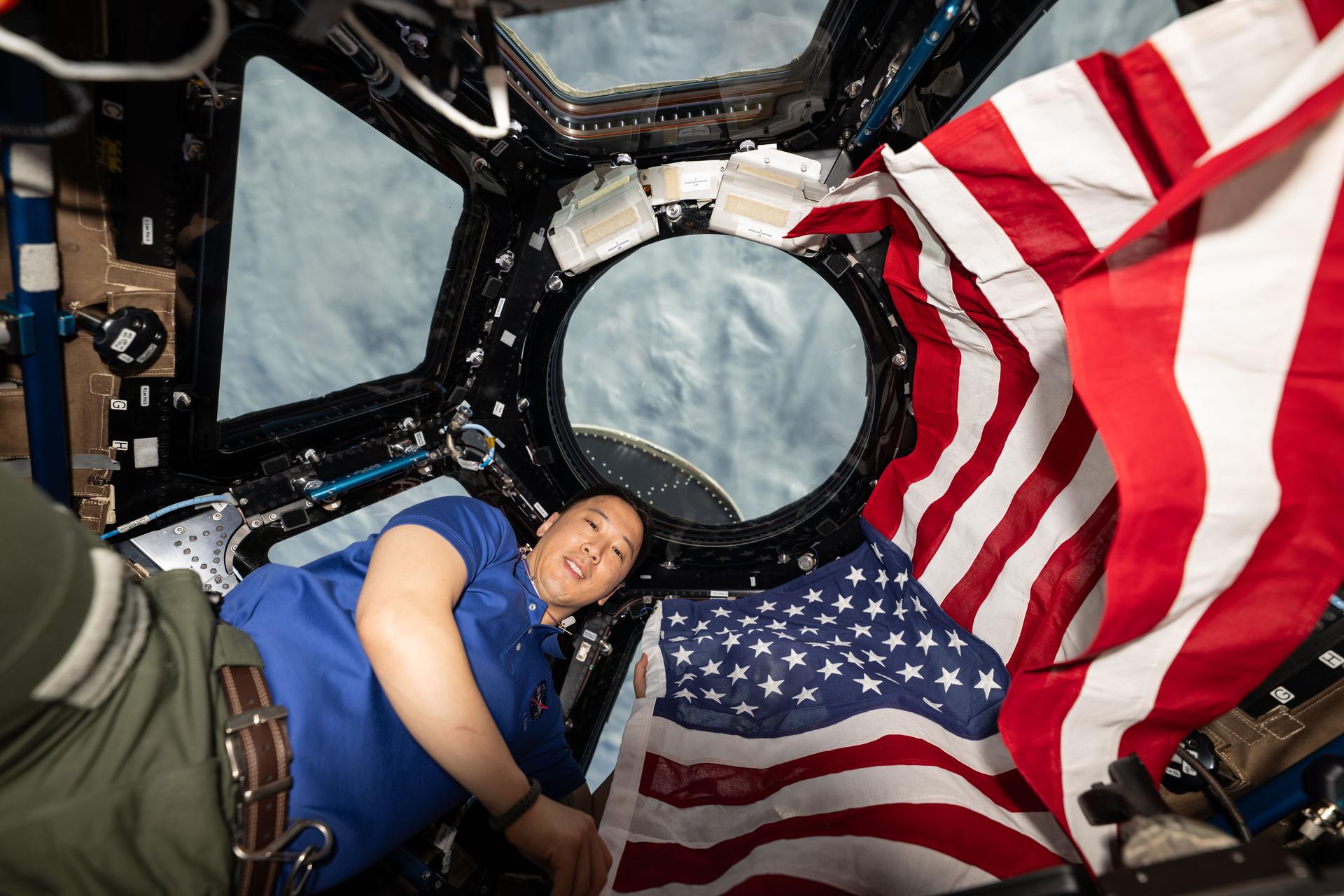
In the year 2025, NASA and its global partners mark a significant milestone by celebrating 25 years of uninterrupted human presence on the International Space Station (ISS). This remarkable achievement began on November 2, 2000, and since then, more than 290 individuals from 26 different countries have lived and worked aboard this extraordinary orbiting laboratory. The ISS has become a hub for scientific research and technological advancements, conducting thousands of experiments that have not only propelled scientific understanding on Earth but also paved the way for future missions to the Moon, such as the Artemis program, and eventually to Mars.
The ISS, beyond its primary function as a scientific platform, serves as a cultural bridge, fostering international collaboration, sparking creativity, and inspiring countless generations. The memories and experiences of employees at the Johnson Space Center highlight that the ISS is not merely an engineering marvel but a profound human achievement.
### Christopher Brown: Enhancing Life Support Systems for Future Space Exploration
Christopher Brown, an integrator for the Environmental Control and Life Support System (ECLSS) on the ISS, plays a crucial role in ensuring that astronauts have access to clean air and water. The ECLSS is responsible for removing carbon dioxide from the air, supplying oxygen for breathing, and recycling wastewater—essentially turning today’s waste into tomorrow’s resources. Impressively, these systems can currently recover nearly 98% of the water brought to the station.
Brown’s most cherished memory is the commissioning of regenerative life support systems and sharing a symbolic toast with the crew while on console in mission control. He was also instrumental in activating the Water Storage System, which enhanced crew efficiency and streamlined operations on the ISS. For Brown, these achievements represent critical steps towards enabling long-duration missions beyond Earth’s orbit.
### Stephanie Sipila: The Core of Microgravity Research
Stephanie Sipila, who now serves as the integration manager for NASA’s Extravehicular Activity and Human Surface Mobility Program, began her career as a mechanical and robotic systems instructor for the ISS. Her favorite experiment, “Engineered Heart Tissues,” investigated the effects of microgravity on the human heart to aid in developing treatments for cardiovascular diseases. She fondly remembers NASA astronaut Sunita Williams running the Boston Marathon on a treadmill aboard the ISS, becoming the first person to complete the iconic race in space. This event demonstrated how astronauts maintain their connection to Earth while living in orbit.
Sipila also emphasizes the significance of the “Spacesuit Art Project,” a unique initiative that transformed artwork by children with cancer into spacesuits. These suits were then flown to the ISS and worn during live broadcasts, connecting science, art, and hope while raising awareness of cancer research conducted aboard the station.
### Liz Warren: Where Exploration and Humanity Converge
Liz Warren, the Associate Chief Scientist for the ISS, has witnessed firsthand the impact of the Spacesuit Art Project on children back on Earth. During Expedition 52, she observed astronaut Jack Fischer wearing a suit adorned with artwork created by young cancer patients, including his own daughter, a cancer survivor. Warren was deeply moved by the demonstration of art’s power to inspire. She remarked, “Human spaceflight demands fortitude, resilience, and teamwork—qualities equally essential in fighting childhood cancer.”
Warren also recalls her time as an operations lead for NASA’s Human Research Program, which focuses on safeguarding astronauts’ health and performance during space missions. On one occasion, while on a weekend run, she received a call from the Payload Operations and Integration Center in Huntsville, Alabama. An astronaut aboard the ISS wanted to swap a food item from a prescribed diet as part of a research study. Warren coordinated with her team to relay the decision back to orbit, all while continuing her run. This experience underscored the constant, real-time connection between astronauts in space and their support teams on the ground.
### Adam Baker: Taking on Space Debris
As an aerospace engineer, Adam Baker contributed to tracking experiments and managing spacecraft operations from mission control. He fondly recalls a live chess match played between mission control and astronaut Greg Chamitoff during Expedition 17, illustrating the unique ways the ISS connects people on Earth with those in orbit. However, Baker’s favorite project was the deployment of the RemoveDebris small satellite from the ISS in 2018. This satellite tested technologies for cleaning up space debris, a critical endeavor to ensure the safety of the orbital environment.
### Michael McFarlane: Training for Success
Michael McFarlane, the chief of the Simulation and Graphics Branch, played a pivotal role in preparing astronauts for space station assembly missions using high-fidelity simulators. “My greatest memory is witnessing the growth of the station as we successfully executed assembly missions that mirrored our ground-based simulations,” McFarlane reflected.
### A Legacy of Ingenuity and Community
In the Mission Evaluation Room, engineers not only troubleshoot real-time issues but also celebrate milestones with time-honored traditions. One such tradition is “MERloween,” where controllers don space-themed costumes to commemorate the lessons learned throughout the year.
For social media consultant Mark Garcia, sharing the ISS story with the public has been a career highlight. His favorite moment was witnessing the splashdown of NASA’s SpaceX Crew-9 in 2025, greeted by a playful pod of dolphins in the Gulf of America. “I love writing about the science aboard the station that benefits people on Earth,” he stated.
Over the past 25 years, the International Space Station has exemplified what humanity can achieve through collaboration and shared goals. The knowledge and experiences gained aboard the ISS will guide future Artemis missions to the Moon and pave the way for journeys to Mars. The next 25 years promise to build upon this legacy of innovation, resilience, and the indomitable human spirit.
For more information on the International Space Station and its ongoing missions, you can visit NASA’s official website.
For more Information, Refer to this article.