





















NASA Advances Urban Air Travel with New Simulation for Electric Air Taxis and Drones
In an era where the skies are set to become as bustling as city streets, NASA is taking significant strides to ensure the future of urban air travel is both efficient and safe. With a keen focus on integrating electric air taxis and drones into our daily lives, NASA has rolled out an innovative simulation designed to manage how these air vehicles can operate seamlessly within crowded urban landscapes.
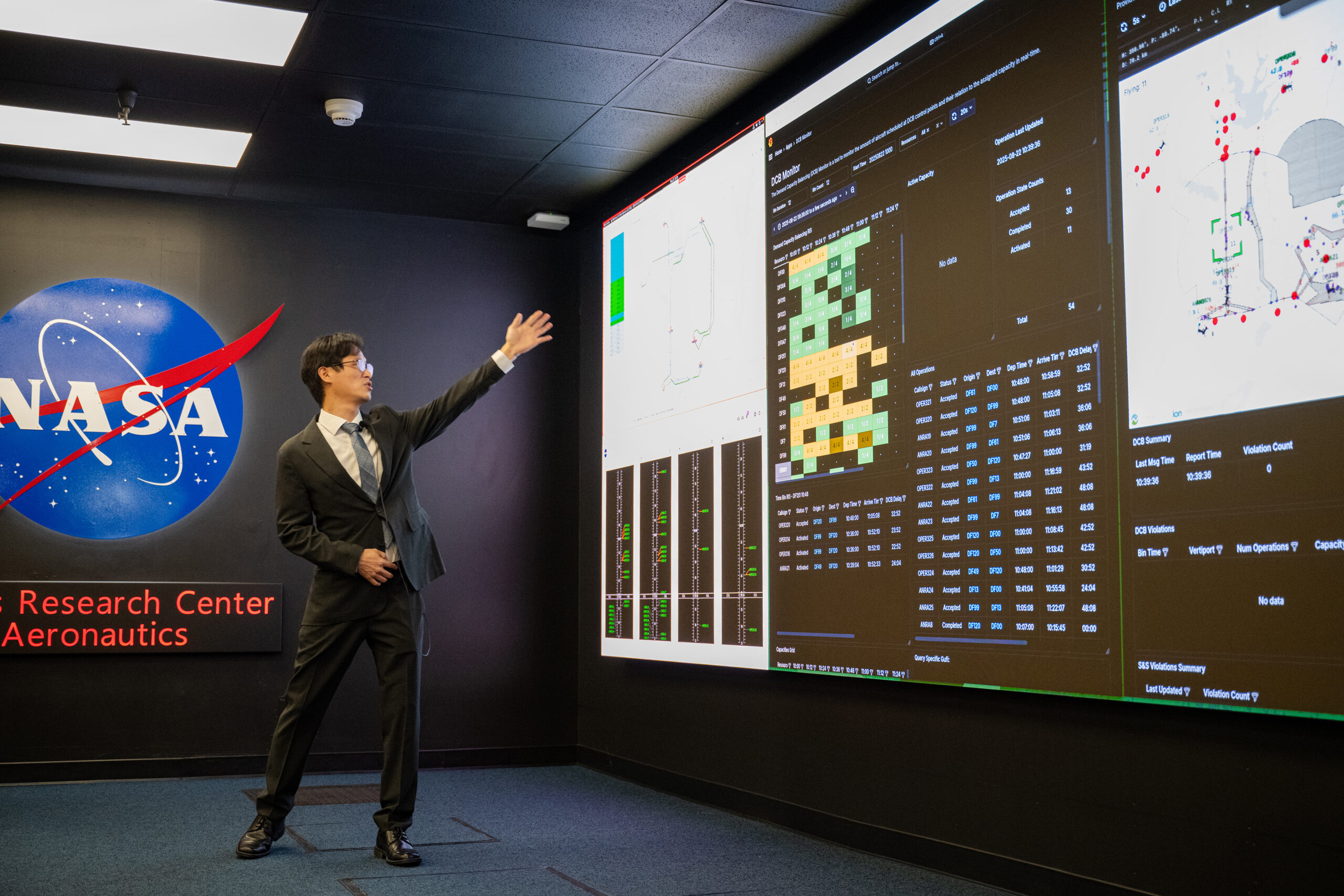
Earlier this year, NASA showcased this groundbreaking initiative at its Ames Research Center, nestled in the heart of California’s Silicon Valley. The highlight of the event was the Strategic Deconfliction Simulation, a sophisticated system aimed at coordinating flight plans before takeoff. This system is pivotal in minimizing potential conflicts in the air, particularly in busy metropolitan areas where numerous flights could be in operation simultaneously.
At the core of this demonstration were two key technologies: the Situational Viewer and the Demand-Capacity Balancing Monitor. These tools provide a real-time visual representation of air traffic, allowing for dynamic adjustments to flight plans. By simulating traffic scenarios, particularly in the bustling Dallas-Fort Worth area, researchers were able to test how preplanned flights could alleviate congestion and ensure the airspace can accommodate all aircraft efficiently, even when conditions are crowded.
A critical component of NASA’s efforts is its collaboration with industry partners. One such partner, ANRA Technologies, played a significant role during the simulation. The company demonstrated its cutting-edge fleet and vertiport management systems. These systems are crucial for coordinating multiple aircraft operations, as well as managing ground activities, ensuring a streamlined and efficient process from takeoff to landing.
“Simulating these complex environments supports broader efforts to ensure the safe integration of drones and other advanced vehicles into the US airspace,” explained Hanbong Lee, an engineer at NASA Ames. By showcasing these capabilities, NASA is providing invaluable data and insights, supporting both NASA’s mission and the broader industry’s efforts to integrate these new technologies.
This demonstration marks a significant milestone as NASA gears up for a more comprehensive technical capability level simulation scheduled for 2026. This forthcoming simulation aims to further refine the development of services essential for managing aircraft in urban areas, ultimately shaping a future where air taxis and drones become a routine part of urban transportation.
The creation of this simulation is a product of NASA’s Air Mobility Pathfinders project. This initiative is a testament to NASA’s ongoing commitment to devising solutions for the safe integration of innovative aircraft like air taxis into U.S. cities and the national airspace. Through advanced simulations and evaluations, the project supports safe, scalable, and publicly trusted air travel in urban settings, paving the way for air taxis and drones to become a safe and reliable part of everyday life.
Furthermore, this project is a component of NASA’s broader Airspace Operations and Safety Program. This program is dedicated to ensuring safe and efficient aviation transportation, underscoring NASA’s commitment to pioneering advancements in air travel technology.
For those unfamiliar with some of the technical terms, let’s break them down. The Strategic Deconfliction Simulation is essentially a pre-flight planning tool that helps aircraft avoid potential conflicts in the air, much like how traffic signals manage cars on the road. The Situational Viewer and Demand-Capacity Balancing Monitor work together to provide a live map of air traffic, similar to how GPS shows real-time traffic for drivers, helping to reroute flights to avoid congestion.
The implications of this technology are vast. Imagine a future where you can summon an air taxi using your smartphone app, and within minutes, you’re whisked away above the traffic jams below, reaching your destination in a fraction of the time. These advancements bring that vision closer to reality, with safety and efficiency at the forefront of development.
NASA’s collaboration with ANRA Technologies showcases the importance of partnerships in pushing the boundaries of what’s possible in this field. ANRA’s fleet management systems are akin to an air traffic control tower, but for numerous small aircraft operating autonomously, ensuring each one knows where to go and when.
The 2026 technical capability simulation will serve as a crucial testing ground for these technologies, providing insights that will inform the development of guidelines and policies for urban air mobility. This is an exciting step towards a future where the skies are as navigable as our roads, offering new possibilities for transportation and logistics.
In conclusion, NASA’s efforts to integrate urban air travel are not just about technology; they’re about reimagining the way we move. By developing systems that ensure safety and efficiency, NASA is laying the groundwork for a future where air travel is accessible, reliable, and an everyday convenience. As these technologies continue to evolve, they promise to transform how we think about travel, making the dream of flying taxis a reality for people around the world.
For more Information, Refer to this article.