





















A Step Forward in Lunar Exploration: NASA’s Early Career Award Empowers Innovative Research
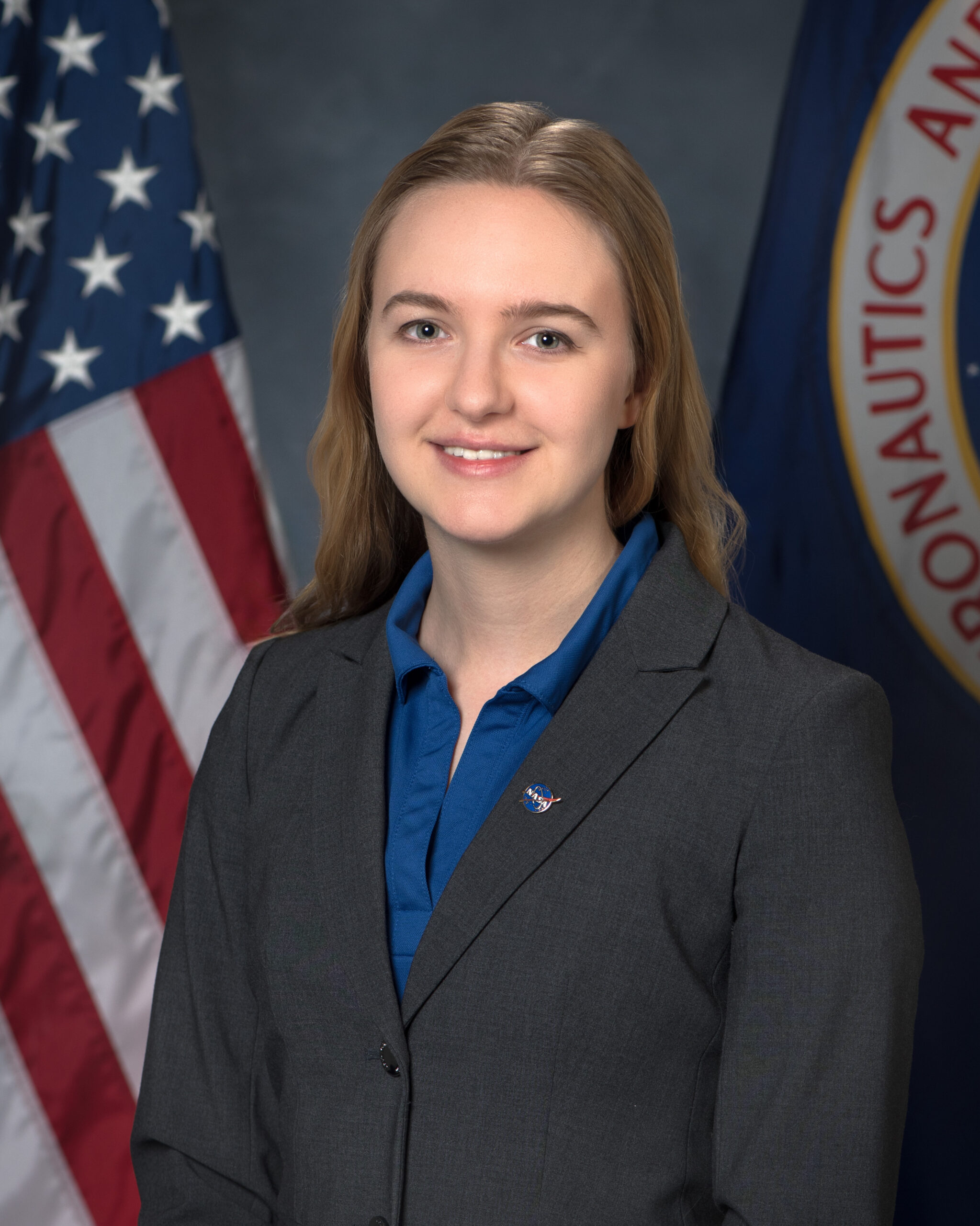
NASA has taken another significant step in advancing lunar exploration by awarding the prestigious NASA Early Career Initiative (ECI) award to Sylvie Crowell, a talented materials researcher based at NASA’s Glenn Research Center in Cleveland. Crowell’s research project, titled "Lunar Dust Reduction through Electrostatic Adhesion Mitigation (L-DREAM)," aims to tackle one of the persistent challenges faced in lunar missions—lunar dust.
Lunar dust, also known as regolith, is a fine, abrasive material that covers the moon’s surface. It poses a considerable risk to equipment and technology deployed on lunar missions, as it can interfere with solar cells and thermal control surfaces, reducing their efficiency and lifespan. Crowell’s innovative research seeks to develop a passive dust mitigation coating to address this issue, potentially revolutionizing how lunar missions are conducted.
Funding and Support for Pioneering Research
The NASA ECI award, which falls under the auspices of the NASA Space Technology Mission Directorate, will provide necessary funding for Crowell’s research. The financial support is scheduled to commence in the fiscal year 2026, beginning on October 1, 2025. This funding will enable Crowell to advance her research in developing the proposed dust mitigation technology, which could have far-reaching implications for future lunar missions.
The ECI program is designed to nurture the potential of NASA’s early career researchers by allowing them to lead hands-on technology development projects. By facilitating partnerships between emerging NASA leaders and external innovators, the initiative seeks to infuse NASA’s technological base with fresh ideas and methodologies, ensuring continuous advancements in space technology.
The Impact of Lunar Dust on Space Missions
Understanding the impact of lunar dust is crucial to appreciating the significance of Crowell’s research. Lunar dust is not just a nuisance; it is a formidable challenge for space missions. Its fine particles can cling to surfaces through electrostatic forces, which are exacerbated by the absence of an atmospheric barrier on the moon. This adherence can obscure solar panels, leading to reduced energy generation, and can also cause thermal imbalances by insulating areas meant to radiate heat.
Moreover, the abrasive nature of lunar dust can lead to the erosion of mechanical components, affecting the functionality and longevity of equipment. As NASA and other space agencies plan for longer and more complex missions to the moon, addressing the issues posed by lunar dust becomes critical for mission success.
Exploring the L-DREAM Project
Crowell’s L-DREAM project aims to mitigate the challenges posed by lunar dust through innovative use of electrostatic adhesion mitigation techniques. By creating a passive coating for solar cells and thermal control surfaces, the project seeks to prevent dust accumulation, ensuring the optimal performance of these critical components.
The concept of passive dust mitigation involves designing materials or coatings that inherently resist or deter the adherence of dust particles, without requiring active energy input or mechanical intervention. This approach can be highly beneficial in the harsh and energy-constrained environment of the moon, where resources are limited and reliability is paramount.
Bridging Innovation and Practical Application
The broader goal of NASA’s Early Career Initiative is to foster a culture of innovation within the agency by empowering young researchers like Crowell to lead projects that bridge theoretical research and practical application. By involving early career scientists in hands-on projects, NASA ensures that new ideas are tested and refined in real-world settings, accelerating the development of technologies that can transform space exploration.
This initiative not only enhances NASA’s technological capabilities but also serves as a model for collaboration between governmental agencies and external innovators. By drawing on diverse expertise and perspectives, NASA can develop more robust and effective solutions to the challenges of space exploration.
The Future of Lunar Exploration
Crowell’s research, supported by the ECI award, represents a promising advancement in the field of lunar exploration. By addressing the problem of lunar dust, the L-DREAM project has the potential to improve the efficiency and durability of technology deployed on the moon. This, in turn, could pave the way for more sustainable and ambitious lunar missions, as well as contribute to the broader goal of establishing a sustained human presence on the moon.
As the world looks toward the future of space exploration, initiatives like the NASA Early Career Initiative and projects like L-DREAM are essential for driving innovation and ensuring that humanity continues to push the boundaries of what is possible.
Conclusion
In summary, Sylvie Crowell’s receipt of the NASA Early Career Initiative award for her research on lunar dust mitigation is a testament to the importance of nurturing young talent and innovative ideas within the field of space exploration. Her work promises to address a critical challenge faced in lunar missions, potentially leading to significant advancements in the efficiency and longevity of equipment used on the moon.
By supporting projects like L-DREAM, NASA is not only addressing immediate technological challenges but also paving the way for future breakthroughs that will enable humanity to explore and utilize the moon more effectively. As we continue to explore the cosmos, such initiatives highlight the importance of innovation, collaboration, and the relentless pursuit of knowledge.
For more Information, Refer to this article.