












![[Video] Samsung Color E-Paper: A Smarter Alternative to Traditional Posters](https://www.hawkdive.com/media/samsung-tvs-and-displays-samsung-color-e-paper-samsung-vxt-digital-signage_thumb932-218x150.jpg "Samsung introduces Color E-Paper as innovative poster alternative.")







Innovative NASA Program Launches Free Educational Tools for Young Learners
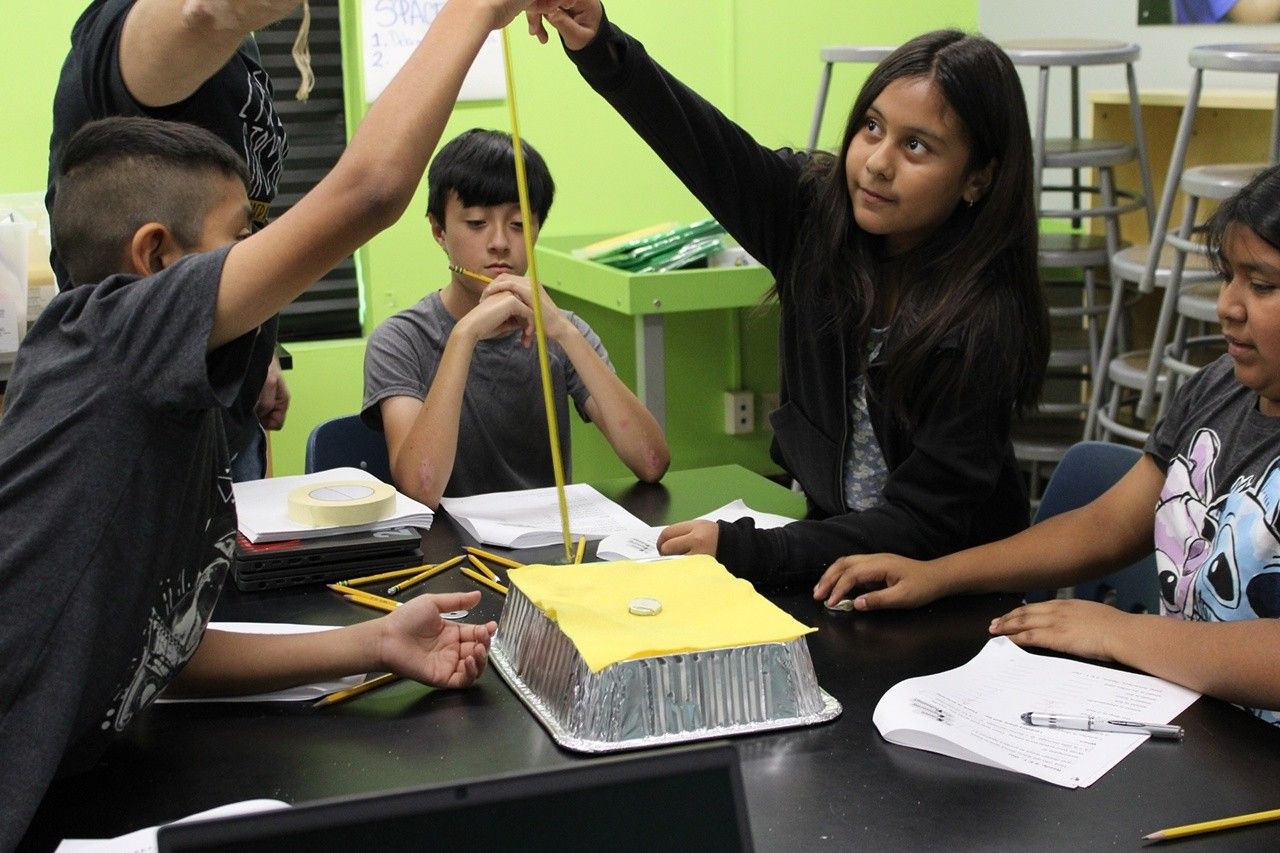
NASA, renowned for its groundbreaking advancements in space exploration, has taken another leap forward in educational outreach through its Science Activation program. The PLANETS (Planetary Learning that Advances the Nexus of Engineering, Technology, and Science) project, under the leadership of Northern Arizona University (NAU), proudly unveils a set of three innovative, free educational units designed for out-of-school time (OST) learning. Targeted at students in grades 3-5 and 6-8, these units offer a hands-on approach to understanding planetary science and engineering.
A New Way to Explore Space Science and Engineering
The newly launched units—Space Hazards, Water in Extreme Environments, and Remote Sensing—are crafted to provide students with immersive experiences in both science and engineering disciplines. Developed in collaboration with experts from the USGS Astrogeology Science Center and STEM education specialists from Northern Arizona University, the Boston Museum of Science, and WestEd, these units promise to deliver engaging, educational, and precise content.
Each unit is constructed with complementary pathways that allow educators to teach them independently or as part of a combined curriculum. This flexibility ensures that the learning modules can fit into various educational settings and meet diverse learning objectives.
Embracing Diversity in Learning
One of the standout features of the PLANETS project is its commitment to inclusivity. The curriculum is designed with research-backed teaching strategies that cater to multilingual learners, Indigenous students, and individuals with varying physical abilities. By incorporating feedback from extensive testing across the country, the project team has fine-tuned the materials to accommodate the needs of all learners.
The educator guides accompanying each unit are comprehensive, offering valuable insights and practical advice for effectively engaging students. These resources include educator background information, instructional videos, and links to relevant NASA projects, making the teaching process seamless and enriching for facilitators.
Interactive Learning Modules
The Space Hazards unit, aimed at students in grades 3-5, introduces learners to the concept of protecting against space and Earth-related hazards through a dynamic card game. This interactive format not only teaches the basic principles of safety but also challenges students to design a space glove that balances protection with functionality for astronauts.
For grades 6-8, the Water in Extreme Environments unit provides an exploration of water distribution in our solar system, challenging the common assumption that Earth holds the most water. The engineering component of this unit emphasizes the scarcity of fresh water in extreme environments and tasks students with creating a filtration system to purify water for reuse. This real-world problem-solving approach not only educates but also inspires innovation among young learners.
In the Remote Sensing unit, also intended for grades 6-8, students step into the role of NASA engineers to design remote sensing devices. This hands-on activity allows them to explore planetary surfaces, like Mars, using real NASA remote sensing data to select the most suitable landing site for a rover. Such practical applications of science and engineering principles help solidify students’ understanding and fuel their curiosity.
Empowering Future Scientists and Engineers
All the PLANETS materials are accessible at no cost through the project’s website, planets-stem.org. This initiative aims to empower students by helping them see themselves as future scientists and engineers, tapping into their innate curiosity and potential.
The PLANETS project is a part of NASA’s Science Activation Portfolio, supported by a cooperative agreement award (NNX16AC53). By connecting NASA’s wealth of scientific expertise and content with community leaders, the Science Activation program seeks to ignite minds and foster a deeper understanding of science and our world. More information on this initiative can be found at NASA’s Science Activation page.
Insights from Educators
Educators who have experienced using the PLANETS materials have praised their thoughtful design and practicality. Kara Branch, CEO & Founder of Black Girls Do Engineer, commended the project, stating, "PLANETS is one of the most thoughtfully designed STEM resources I’ve used in an out-of-school setting. The hands-on activities are engaging, accessible, and grounded in real-world challenges that spark curiosity in every learner. What sets it apart is the intentional support for diverse learners and the clear, practical guidance for facilitators—making it truly turnkey for OST educators at any experience level. If you’re looking to build STEM identity, teamwork, and creative problem-solving in your program, PLANETS is a must."
The Bigger Picture
This initiative by NASA is a testament to the organization’s dedication not only to space exploration but also to education and community engagement. By providing these resources freely, NASA ensures that learning about planetary science and engineering is accessible to all students, regardless of their background or geographic location.
In conclusion, the PLANETS project is an exemplary model of how science, technology, engineering, and mathematics can be made appealing and comprehensible to young learners. It encourages students to explore, innovate, and perhaps one day, contribute to the field of space exploration themselves.
For those interested in diving deeper into the world of planetary science and engineering, visiting the PLANETS website is an excellent start. The tools and resources provided there not only educate but also inspire the next generation of space explorers and innovators.
For more Information, Refer to this article.