












![[Interview] Inside Spatial Signage: How Samsung Brought Glasses-Free 3D Displays to Life](https://www.hawkdive.com/media/samsung-tvs-and-displays-spatial-signage-interview_thumb932-218x150.jpg "Samsung’s Glasses-Free 3D Displays: The Inside Story [Interview]")









Wetlands and Methane Emissions: A Deep Dive into Ghost Forests and Their Impact
Wetlands, often referred to as Earth’s kidneys, play a critical role in the global ecosystem. They act as natural filters, provide habitat for diverse species, and are crucial in carbon sequestration. However, these unique ecosystems are also significant contributors to methane emissions, a potent greenhouse gas. In a recent study led by Kaylena Pham from the University of Southern California, researchers explored the impact of ghost forests on methane emissions, focusing on two prominent wetlands: the Great Dismal Swamp and the Alligator River.
Understanding Methane Emissions in Wetlands
Methane is a highly potent greenhouse gas, with a global warming potential approximately 28 times greater than carbon dioxide over a 100-year period. Wetlands contribute significantly to global methane emissions, accounting for roughly 20-40% of the total. Methane production in wetlands primarily occurs through methanogenesis, a process where microorganisms generate methane in oxygen-depleted conditions. This can happen in nutrient-poor sediments or as a result of organic matter decomposition.
Coastal wetlands, such as the Alligator River, are increasingly affected by saltwater intrusion due to severe storms and rising sea levels. This intrusion causes widespread vegetation death, leading to the formation of ghost forests—vast areas of standing dead trees. As these ghost forests emerge, they contribute to elevated methane emissions due to increased decomposition rates from plant death, a factor that previous research has often overlooked.
Research Methodology and Key Findings
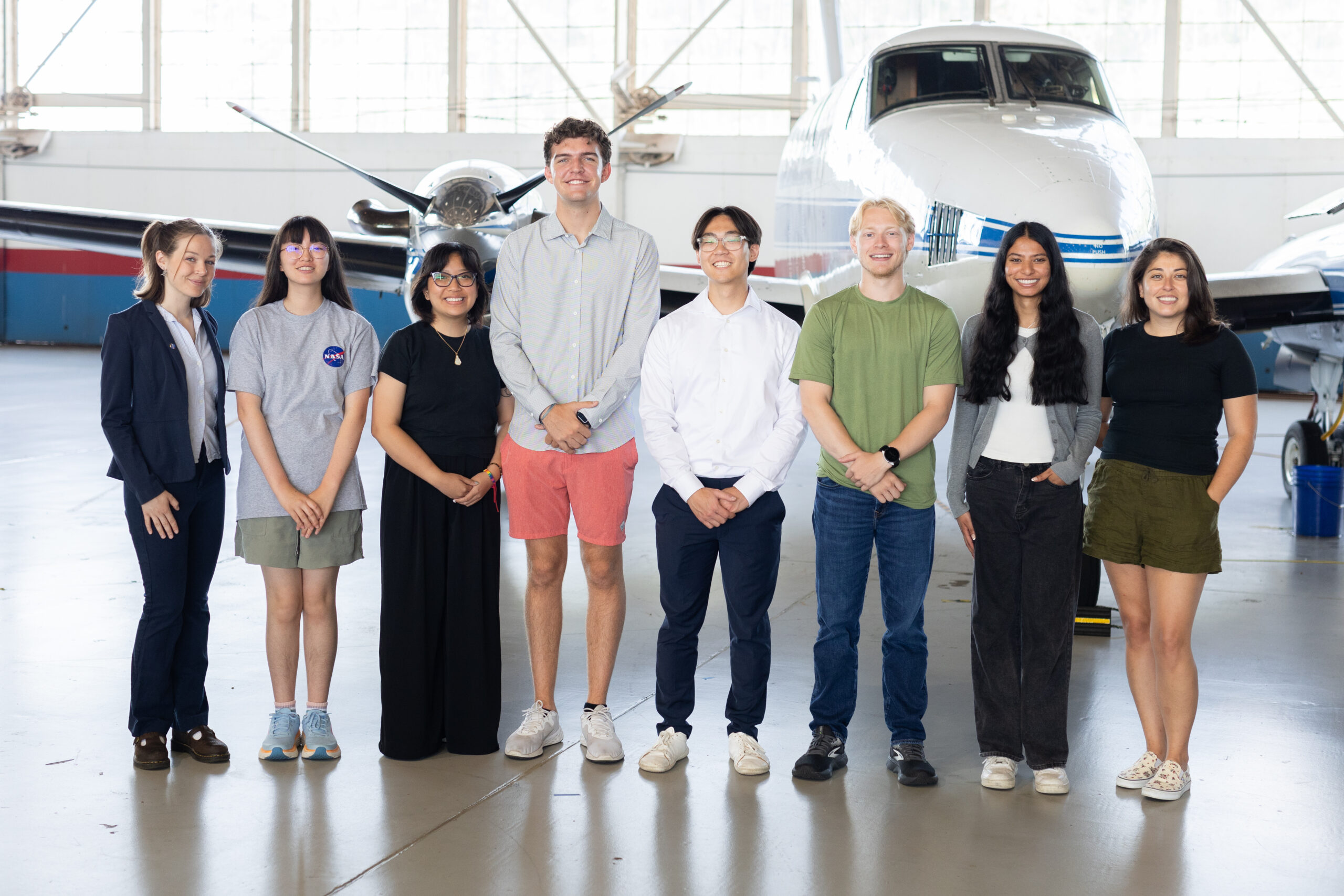
The study utilized data from the NASA Student Airborne Research Program (SARP) 2025 flight campaign. Methane and carbon monoxide levels were measured using a PICARRO Gas Concentration Analyzer aboard the Dynamic Aviation B-200 aircraft. This data was then correlated with Normalized Difference Vegetation Index (NDVI) imagery from the Terra satellite’s MODIS instrument. NDVI is a valuable tool for assessing vegetation health and stress by measuring the difference between near-infrared (which vegetation strongly reflects) and red light (which vegetation absorbs).
The research showed that the Alligator River exhibited greater vegetation stress compared to the Great Dismal Swamp. This stress was associated with wider variability in methane concentrations. Conversely, the Great Dismal Swamp, with less vegetation stress, displayed narrower methane distribution. Interestingly, despite the Alligator River’s higher vegetation stress, the Great Dismal Swamp had a slightly higher mean methane concentration of 2.11 ppm compared to the Alligator River’s 1.96 ppm.
Implications and Future Directions
The findings underscore the importance of understanding how different vegetation conditions influence methane emissions in wetland ecosystems. This knowledge is vital for developing more accurate models of methane dynamics and for creating strategies to mitigate greenhouse gas emissions from these environments.
Future research should aim to incorporate ghost forests into methane emission estimates more comprehensively. Additionally, expanding the scope to include other wetlands with varying degrees of salinization and vegetation stress could provide a more holistic understanding of the factors driving methane emissions in these ecosystems.
Urban Ozone Pollution: Analyzing VOCs and Their Impact on Air Quality
Urban air quality remains a pressing concern, with ground-level ozone being a significant pollutant. Ozone is formed through complex photochemical reactions involving volatile organic compounds (VOCs) and nitrogen oxides (NOₓ) in sunlight. Alek Libby from Florida State University investigated the VOC composition and ozone formation dynamics in three Mid-Atlantic urban areas: Baltimore, Richmond, and Norfolk.
The Role of VOCs in Ozone Formation
VOCs are organic chemicals that easily evaporate at room temperature. They originate from various sources, including vehicle emissions, industrial processes, and natural sources like vegetation. In the presence of sunlight, VOCs react with NOₓ to produce ozone, a harmful pollutant that affects respiratory health and contributes to climate change.
The study utilized in-situ Whole Air Samples (WAS) collected during the 2024 NASA SARP Campaign. Gas chromatography was employed to analyze the VOC composition, while additional data from CAFE and CANOE instruments provided measurements of formaldehyde (HCHO) and nitrogen dioxide (NO₂).
Key Findings and Implications
The research revealed that Baltimore had significantly lower levels of key anthropogenic VOCs compared to Richmond and Norfolk. However, Baltimore experienced more ozone exceedance days, likely due to higher NO₂ levels. The VOC/NOₓ ratios indicated that Richmond and Norfolk were in NOₓ-limited regimes, whereas Baltimore was in a transitional zone.
These findings suggest that reducing NOₓ emissions could be more effective for mitigating ozone pollution in Baltimore. Future studies could replicate this analysis using data from the 2025 SARP dataset, collected on hot, stagnant days conducive to ozone production.
Investigating VOC Sources in Urban Areas
Understanding the sources of VOCs is crucial for crafting effective air quality policies. Hannah Suh from the University of California, Santa Cruz, conducted a study on VOC emissions in Baltimore, utilizing data from the NASA SARP Campaign.
Methodology and Results
In-situ VOC measurements were analyzed to identify potential emission sources using Positive Matrix Factorization (PMF), a statistical tool that disentangles complex data matrices to reveal underlying patterns. The study identified six key sources of VOCs in Baltimore, with the top three being oil and natural gas, biogenic, and vehicular emissions.
Implications for Air Quality Management
The results highlight the need for targeted strategies to reduce emissions from these sources. By comparing VOC signature ratios over multiple years, researchers can assess temporal trends and evaluate the effectiveness of policy interventions.
Hopewell, VA: Addressing Air Pollution Concerns
Hopewell, Virginia, hosts several major chemical facilities, raising concerns about air pollution and health disparities in nearby communities. Aashi Parikh from Boston University conducted a study to investigate VOC distribution in Hopewell’s industrial corridor.
Study Findings and Health Implications
The analysis revealed elevated levels of harmful VOCs like benzene, toluene, and styrene, which pose significant health risks, including respiratory and neurological disorders. These findings reinforce existing health disparities in the region and underscore the need for targeted interventions to protect vulnerable communities.
Looking Ahead
Future research will continue to monitor VOC concentrations in Hopewell, providing valuable insights into the effectiveness of regulatory and community-driven efforts to reduce emissions.
Conclusion
These studies highlight the intricate interplay between natural and anthropogenic factors in shaping our environment. Whether it’s understanding methane emissions in wetlands or tackling urban air pollution, comprehensive research and targeted action are essential for safeguarding our planet’s health and well-being. For more detailed insights into these studies, you can explore the original research articles.
For more Information, Refer to this article.