



















NASA’s Artemis II test flight around the Moon has set a new record for human spaceflight, surpassing the previous record set by the Apollo 13 mission in 1970. The four astronauts on board traveled 248,655 miles from Earth, with the crew inside the Orion spacecraft reaching a distance of about 252,760 miles at its farthest point before looping back towards Earth.
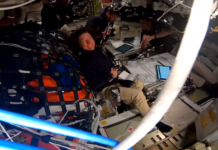
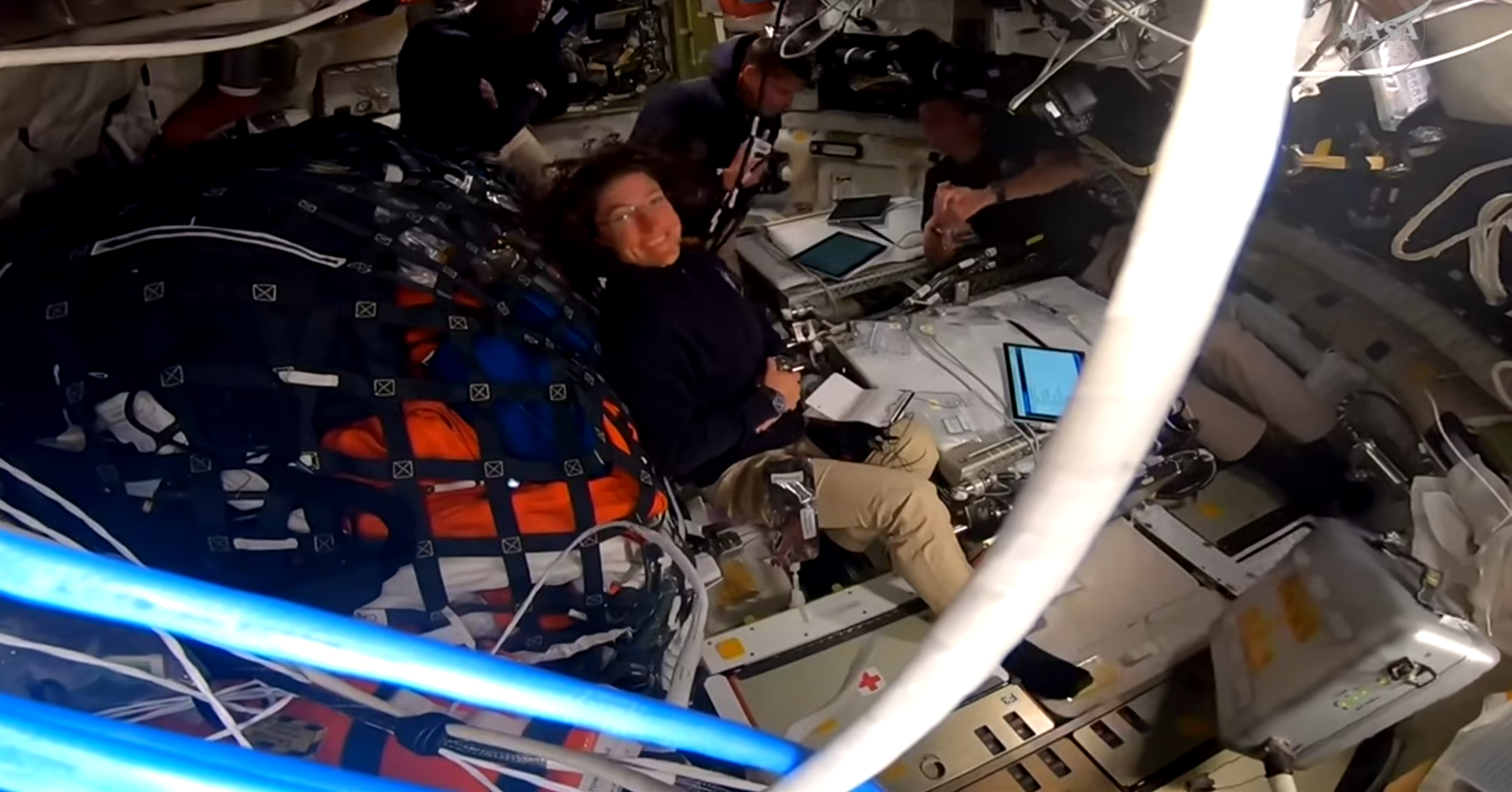
The astronauts, including NASA astronauts Reid Wiseman, Victor Glover, and Christina Koch, along with CSA astronaut Jeremy Hansen, have been capturing images of the Moon during their voyage away from Earth. Their mission marks a significant milestone in NASA’s Artemis program, which aims to establish a Moon Base and pave the way for future crewed missions to Mars.
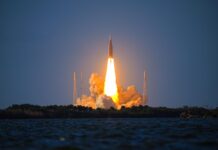
The journey to the Moon began with a successful launch of the Orion spacecraft on an SLS rocket from Kennedy Space Center in Florida. After breaking free of Earth’s orbit, the spacecraft set its course towards the Moon, where the crew achieved the farthest distance traveled by humans from Earth.
During their mission, the crew provided emotional remarks, with astronaut Jeremy Hansen reflecting on the legacy of human space exploration and challenging future generations to continue pushing the boundaries of space travel. The astronauts also proposed naming two craters on the Moon, one in honor of their spacecraft, Integrity, and the other in memory of Wiseman’s late wife, Carroll.
As the crew flies past the Moon, they will come within approximately 4,070 miles of its surface at the closest approach. They will be the first to see the far side of the Moon with human eyes and witness a solar eclipse as the Moon passes in front of the Sun. NASA expects a brief communication blackout period as the Moon blocks signals between the spacecraft and Earth through the Deep Space Network.
A fleet of cameras on board the spacecraft will capture imagery of the Moon, providing valuable data for future Artemis missions and the development of a Moon Base. The astronauts will use digital handheld cameras to conduct high-resolution photography of the lunar surface, offering new insights into features never before seen up close.
The Artemis II mission is more than halfway through, with the crew scheduled to splash down off the coast of San Diego on April 10. Recovery teams will retrieve the astronauts using helicopters and deliver them to the USS John P. Murtha for post-flight medical evaluations before returning to NASA Johnson for debriefing.
Under the Artemis program, NASA is committed to sending astronauts on increasingly challenging missions to explore more of the Moon and pave the way for future crewed missions to Mars. The Artemis II mission represents a significant step towards achieving these goals and advancing human space exploration.
For the latest updates on the Artemis II mission, visit NASA’s official website at https://www.nasa.gov/artemis-ii.
This historic achievement by the Artemis II crew marks a new chapter in human space exploration, showcasing NASA’s commitment to pushing the boundaries of what is possible in space. As we look towards a future of lunar exploration and beyond, the Artemis program serves as a beacon of inspiration for the next generation of space explorers.
For more Information, Refer to this article.



![[Video] Samsung Spatial Signage: How To Make Your Brand Stand Out in Crowded Spaces](https://www.hawkdive.com/media/samsung-tvs-and-displays-samsung-spatial-signage-samsung-vxt_thumb932-218x150.jpg "Samsung Spatial Signage: Elevate Your Brand in Crowded Environments")