











![[Video] Samsung Color E-Paper: A Smarter Alternative to Traditional Posters](https://www.hawkdive.com/media/samsung-tvs-and-displays-samsung-color-e-paper-samsung-vxt-digital-signage_thumb932-218x150.jpg "Samsung introduces Color E-Paper as innovative poster alternative.")






Unveiling the Galactic Mystery: NGC 2775 Explored
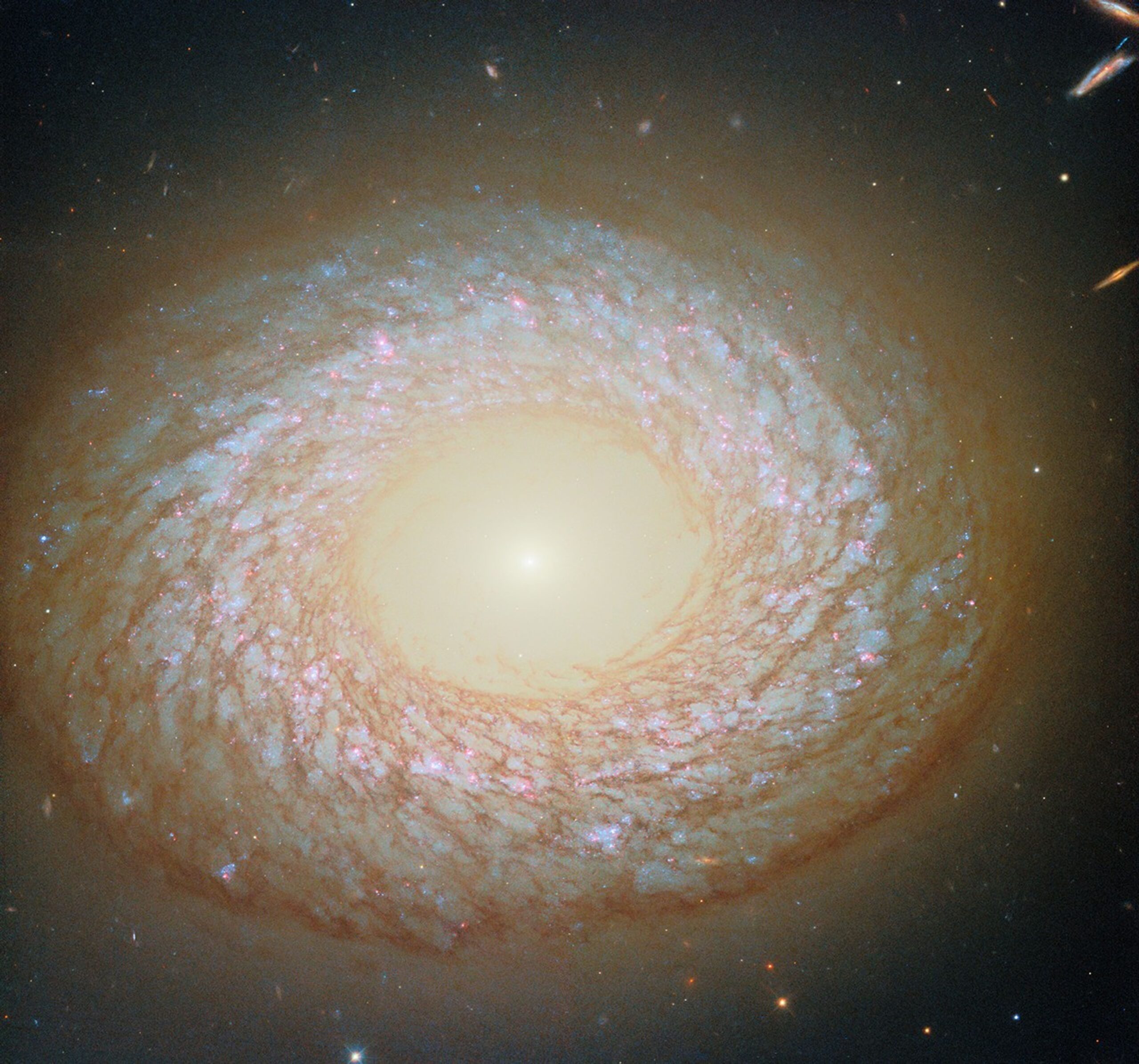
The universe is a vast and mysterious place, and among the countless celestial bodies, some stand out due to their enigmatic nature. One such celestial enigma is the galaxy known as NGC 2775. Captured in stunning detail by the Hubble Space Telescope, a joint mission by NASA and the European Space Agency (ESA), NGC 2775 presents a puzzling combination of galactic features that challenge straightforward classification. Located approximately 67 million light-years from Earth in the constellation Cancer, its unique characteristics have sparked debates among astronomers about its true galactic nature.
A Galaxy of Dual Nature
NGC 2775 is a galaxy that defies easy categorization due to its peculiar structure. At its core lies a smooth, featureless center devoid of gas, which is a hallmark of elliptical galaxies. These types of galaxies are generally characterized by their ellipsoidal shapes and lack of structure, often appearing as smooth, featureless disks. However, NGC 2775 doesn’t end its story there. Surrounding this core is a dusty ring that contains patchy star clusters, a feature more commonly associated with spiral galaxies. Spiral galaxies are known for their well-defined arms that wrap around a central bulge, filled with stars and stellar nurseries.
Given the limited perspective we have of NGC 2775—being able to observe it only from one angle—it becomes a challenge to definitively categorize it. Some astronomers lean towards classifying NGC 2775 as a spiral galaxy due to its feathery ring of stars and dust. Meanwhile, others propose it might be a lenticular galaxy, a type that shares characteristics with both spiral and elliptical galaxies.
The Mystery of Lenticular Galaxies
Lenticular galaxies, like the one NGC 2775 is suspected to be, are a fascinating subject for astronomers. They serve as a bridge between the two main types of galaxies, spiral and elliptical, and are often seen as a transitional phase in galactic evolution. The formation process of lenticular galaxies is still a topic of research and debate. Some theories suggest they may have originated as spiral galaxies that eventually merged with others or lost most of their star-forming gas, resulting in the loss of their prominent spiral arms. Alternatively, they may have started as elliptical galaxies that later accumulated gas, forming a disk-like structure around them.
Evidence of Galactic Mergers
Adding to the intrigue, there is evidence suggesting that NGC 2775 may have experienced mergers with other galaxies in its past. Although invisible in the current Hubble image, NGC 2775 possesses a tail of hydrogen gas extending nearly 100,000 light-years around it. This tail is faint and could possibly be the remnants of one or more galaxies that ventured too close and were subsequently absorbed by NGC 2775. If this merging process did occur, it might explain the galaxy’s unusual appearance and complex structure today.
The Flocculent Spiral Classification
Despite the uncertainties surrounding its classification, most astronomers currently identify NGC 2775 as a flocculent spiral galaxy. Flocculent spirals are characterized by their poorly defined, discontinuous arms that appear as “feathery” or “tufts” of stars. This less structured appearance sets them apart from the more grand-design spirals, which have well-organized and clearly visible arms.
The flocculent nature of NGC 2775 adds another layer to its mystery, as these types of galaxies often challenge traditional models of galaxy formation and evolution. Understanding the dynamics and formation of flocculent spirals like NGC 2775 can provide valuable insights into the broader processes governing galaxy formation and evolution in the universe.
Hubble’s Contribution to Understanding NGC 2775
The Hubble Space Telescope has played a crucial role in deepening our understanding of NGC 2775. In 2020, Hubble released an image of this intriguing galaxy, capturing its unique features and sparking further interest in its study. The latest observations have added new dimensions to this image by incorporating specific wavelengths of red light emitted by clouds of hydrogen gas surrounding massive young stars. These bright, pinkish clumps visible in the image offer astronomers a clearer picture of where new stars are forming within the galaxy.
This additional data is significant because it allows scientists to pinpoint areas of active star formation, providing clues about the galaxy’s past interactions and future evolution. By analyzing these areas, researchers can infer the processes that might have shaped NGC 2775’s current structure and predict how it may continue to evolve over time.
The Broader Implications
The study of galaxies like NGC 2775 is not just about understanding one isolated celestial body; it has broader implications for our comprehension of the universe. By examining galaxies that challenge traditional classifications, astronomers can refine existing models of galaxy formation and evolution. This, in turn, helps to paint a more accurate picture of the cosmos and our place within it.
Moreover, these studies can provide insights into the processes that have shaped our own galaxy, the Milky Way, and offer clues about what might lie ahead in its future. As we continue to explore the universe and discover more such intriguing galaxies, each piece of data contributes to the ever-evolving story of the cosmos.
Conclusion
The galaxy NGC 2775 stands as a testament to the complexity and beauty of the universe. Its unique combination of features challenges astronomers to think beyond traditional classifications and explore new theories of galactic evolution. Through the lens of the Hubble Space Telescope, we are granted a glimpse into the dynamic processes that shape galaxies, offering a deeper understanding of the cosmos.
As we continue to unravel the mysteries of galaxies like NGC 2775, we move closer to answering fundamental questions about the nature of the universe. Each discovery brings us closer to a more comprehensive understanding of the galaxies that populate the cosmos, their origins, and their destinies. The journey of exploration and discovery continues, propelled by advanced technology and the insatiable curiosity of humankind.
For more Information, Refer to this article.