





















Perseverance Rover Embarks on a New Martian Adventure
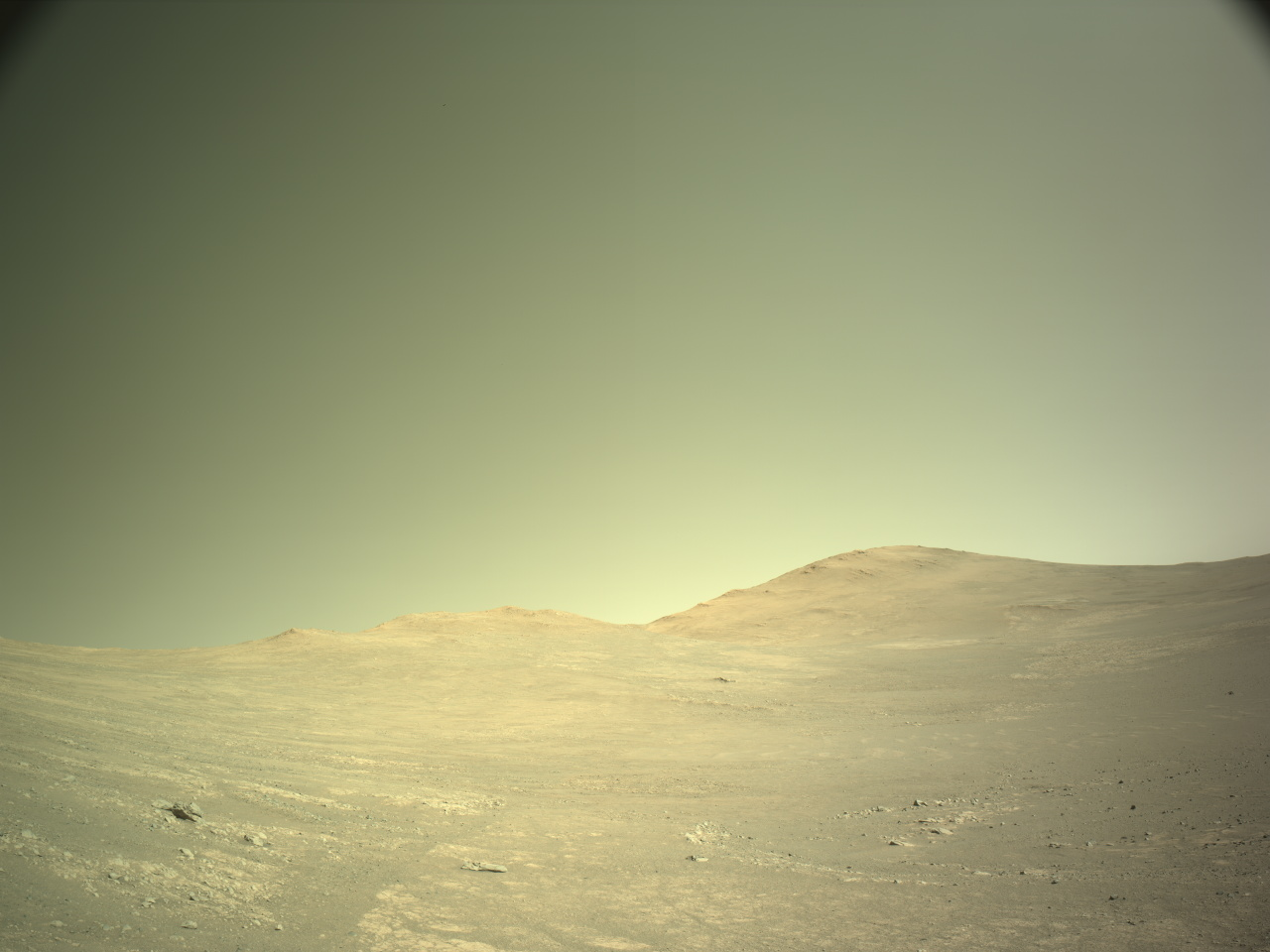
In an exciting development for space exploration, NASA’s Perseverance rover has embarked on a fascinating journey that could unveil significant insights into the geological history of Mars. Last week, the rover ventured northwest of Soroya Ridge, entering a terrain vastly different from what it has previously explored. This new area is characterized by an intriguing geological formation known as megabreccia, which is essentially a chaotic mixture of broken rock fragments.
The term "megabreccia" refers to a type of rock formation that is typically formed by the intense force of asteroid impacts. These impacts cause massive disruptions, breaking apart existing rock structures and creating a jumbled mixture of various rock fragments. This particular area of megabreccia is believed to have been influenced by the colossal Isidis impact event. This event led to the formation of a massive 1,200-mile-wide crater, located just east of the Jezero Crater where Perseverance has been conducting its exploration. By studying these formations, scientists hope to link the geological features of Jezero to the larger Isidis Basin, thereby connecting local observations to the broader history of Mars.
The rover’s mission in this new area begins with a systematic study of the rocks at a location named Scotiafjellet. Researchers are particularly interested in determining if these rocks are indeed megabreccia, as they could potentially contain fragments of Mars’ deep crustal material. Such materials offer a rare peek into the planet’s interior, providing valuable data that predates the deltaic and volcanic deposits previously examined by the rover in Jezero Crater.
These ancient rocks are among the oldest that Perseverance will likely encounter, and they might hold crucial clues about the presence of water on ancient Mars. Understanding the role and history of water on Mars is a fundamental aspect of NASA’s ongoing quest to find signs of past life on the planet. By exploring this complex terrain, Perseverance offers us an unprecedented opportunity to uncover the earliest chapters of Mars’ history.
The scientific significance of this exploration cannot be overstated. Megabreccia formations can be likened to natural time capsules, preserving information from Mars’ distant past. By analyzing these formations, scientists can reconstruct the environmental conditions that existed on Mars billions of years ago. This, in turn, can inform our understanding of the planet’s potential habitability and the processes that have shaped its surface over time.
Moreover, the presence of deep crustal material in the megabreccia could provide insights into the geological processes that have occurred below Mars’ surface. Such information is crucial for understanding the planet’s geological evolution and could even have implications for future manned missions to Mars, as knowledge of the subsurface could inform landing site selections and resource utilization strategies.
The exploration of megabreccia is not only scientifically significant but also a testament to the advanced capabilities of the Perseverance rover. Equipped with a suite of state-of-the-art scientific instruments, the rover is designed to conduct detailed analyses of Martian rocks and soil. These instruments allow scientists to assess the mineral composition of the rocks, detect organic compounds, and even identify potential biosignatures.
As Perseverance continues its journey through this ancient and enigmatic terrain, it carries with it the hopes of scientists and space enthusiasts alike. Each new discovery adds to our understanding of Mars and brings us one step closer to answering fundamental questions about the planet’s history and its potential to harbor life.
In addition to its scientific objectives, the Perseverance mission serves as an inspiration for future generations of explorers. The rover’s journey across the Martian landscape is a reminder of humanity’s enduring curiosity and our relentless pursuit of knowledge. It underscores the importance of exploration and discovery in advancing our understanding of the universe.
For those interested in following the rover’s progress, NASA provides regular updates and raw images from Perseverance’s cameras, allowing the public to share in the excitement of this groundbreaking mission. These updates are not only informative but also serve to engage and educate people about the importance of space exploration.
In conclusion, Perseverance’s exploration of the megabreccia northwest of Soroya Ridge marks a significant milestone in our study of Mars. By delving into this chaotic yet revealing landscape, the rover is poised to uncover vital clues about the planet’s past, contributing to our broader understanding of Mars and its place in the solar system. This mission exemplifies the spirit of exploration and the quest for knowledge that drives scientific discovery, and it holds the promise of answering some of the most profound questions about our neighboring planet.
For more Information, Refer to this article.