





















SpaceX Falcon 9 Successfully Launches NASA Science Mission and Smallsat Payloads
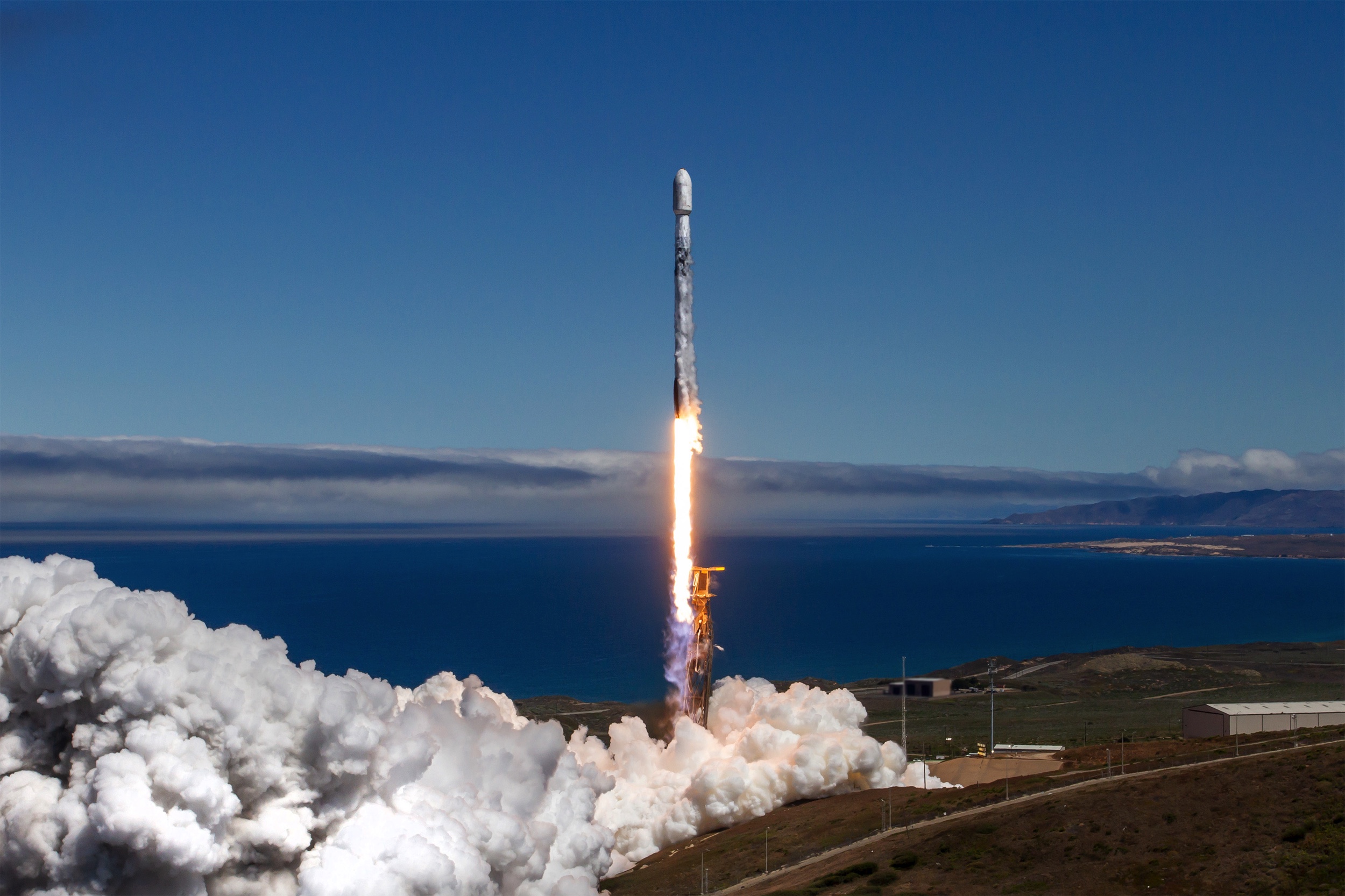
In a significant achievement for space exploration, a SpaceX Falcon 9 rocket successfully launched a NASA space science mission along with several other small satellites on July 23. This launch, which took place in Las Vegas, was initially scheduled for the previous day but was postponed due to unforeseen circumstances. The mission underscores the growing collaboration between government space agencies and private space companies, further advancing our understanding of space.
Launch Details
The Falcon 9 rocket, a cornerstone of SpaceX’s launch capabilities, has once again demonstrated its reliability and versatility. Known for its reusability, the Falcon 9 is a two-stage rocket designed and manufactured by SpaceX for the reliable and safe transport of satellites and the Dragon spacecraft into orbit. The rocket’s first stage is capable of returning to Earth for refurbishment and reuse, significantly reducing the cost of subsequent launches.
The primary payload for this mission was a NASA space science project, which aims to gather valuable data to enhance our understanding of the universe. Accompanying this primary mission were several small satellites, commonly referred to as smallsats. These smallsats are becoming increasingly popular due to their cost-effectiveness and the ability to conduct specialized tasks, from Earth observation to scientific research.
The Importance of Smallsats
Smallsats are compact satellites that provide an affordable means for various organizations, including educational institutions and private companies, to access space. These satellites can perform a wide range of functions, including communication, Earth monitoring, and scientific experiments. Their small size allows multiple smallsats to be launched simultaneously on a single rocket, optimizing the use of available launch capacity and further reducing costs.
The deployment of smallsats in this mission illustrates the growing trend of miniaturization in space technology. As technology advances, smallsats are increasingly capable of performing complex tasks that were once the domain of much larger and more expensive satellites. This democratization of space access encourages innovation and allows a broader array of stakeholders to participate in space exploration.
Mission Delays and Challenges
The initial delay of the Falcon 9 launch by one day serves as a reminder of the complexities involved in space missions. Factors such as weather conditions, technical issues, or last-minute checks can necessitate changes to the launch schedule to ensure safety and mission success. SpaceX, like other space agencies, prioritizes the safety and reliability of its missions, even if it means adjusting timelines.
Such delays, while inconvenient, highlight the meticulous planning and precision required in space operations. The launch of a rocket involves coordination between multiple teams and systems, each of which must function flawlessly to achieve a successful mission.
The Role of SpaceX in Modern Space Exploration
SpaceX continues to play a pivotal role in modern space exploration. Founded by Elon Musk, the company has revolutionized the space industry with its focus on cost-effective and reusable launch systems. The Falcon 9, in particular, has become a workhorse for various missions, helping to reduce the cost and increase the frequency of space travel.
The partnership between SpaceX and NASA is a testament to the benefits of collaboration between public and private sectors. NASA provides its vast expertise and resources, while SpaceX brings innovation and efficiency to the table. Such collaborations are critical for advancing our capabilities in space exploration and achieving ambitious goals, such as manned missions to Mars or establishing a sustainable presence on the Moon.
Broader Implications for Space Research
The successful launch and deployment of the NASA science mission and smallsats have broader implications for space research. By gathering new data, these missions can contribute to a better understanding of our planet, the solar system, and beyond. Scientific discoveries made possible by such missions can lead to advancements in technology, environmental protection, and even everyday applications on Earth.
Moreover, the increasing frequency of launches by companies like SpaceX indicates a growing interest in the commercial potential of space. As the costs of launching and operating in space decrease, more companies and nations can participate in space activities, leading to a more vibrant and competitive space industry.
Public Reaction and Future Prospects
The public’s interest in space exploration remains high, with many enthusiasts closely following launches and missions. The success of this Falcon 9 launch adds to the excitement surrounding space endeavors and highlights SpaceX’s role in making space more accessible.
Looking to the future, SpaceX and other private companies are poised to continue pushing the boundaries of what is possible in space. With plans for more ambitious missions, including crewed flights to the Moon and Mars, the coming years promise to be an exciting time for space exploration.
In summary, the recent Falcon 9 launch marks another step forward in the collaboration between NASA and SpaceX, demonstrating the effectiveness of partnerships in advancing space science. As smallsats and other innovative technologies continue to evolve, the possibilities for exploration and discovery are expanding, paving the way for a new era in space exploration.
For more Information, Refer to this article.



![[Video] Samsung Color E-Paper: A Smarter Alternative to Traditional Posters](https://www.hawkdive.com/media/samsung-tvs-and-displays-samsung-color-e-paper-samsung-vxt-digital-signage_thumb932-218x150.jpg "Samsung introduces Color E-Paper as innovative poster alternative.")