





















NASA’s X-59 Supersonic Aircraft Embarks on Taxi Tests
The aviation world is abuzz with excitement as NASA’s groundbreaking X-59 quiet supersonic research aircraft commences its taxi tests. This significant milestone marks the first instance where this unique experimental aircraft has operated under its own power, paving the way for advancements in supersonic flight technology.
The Maiden Taxi Test
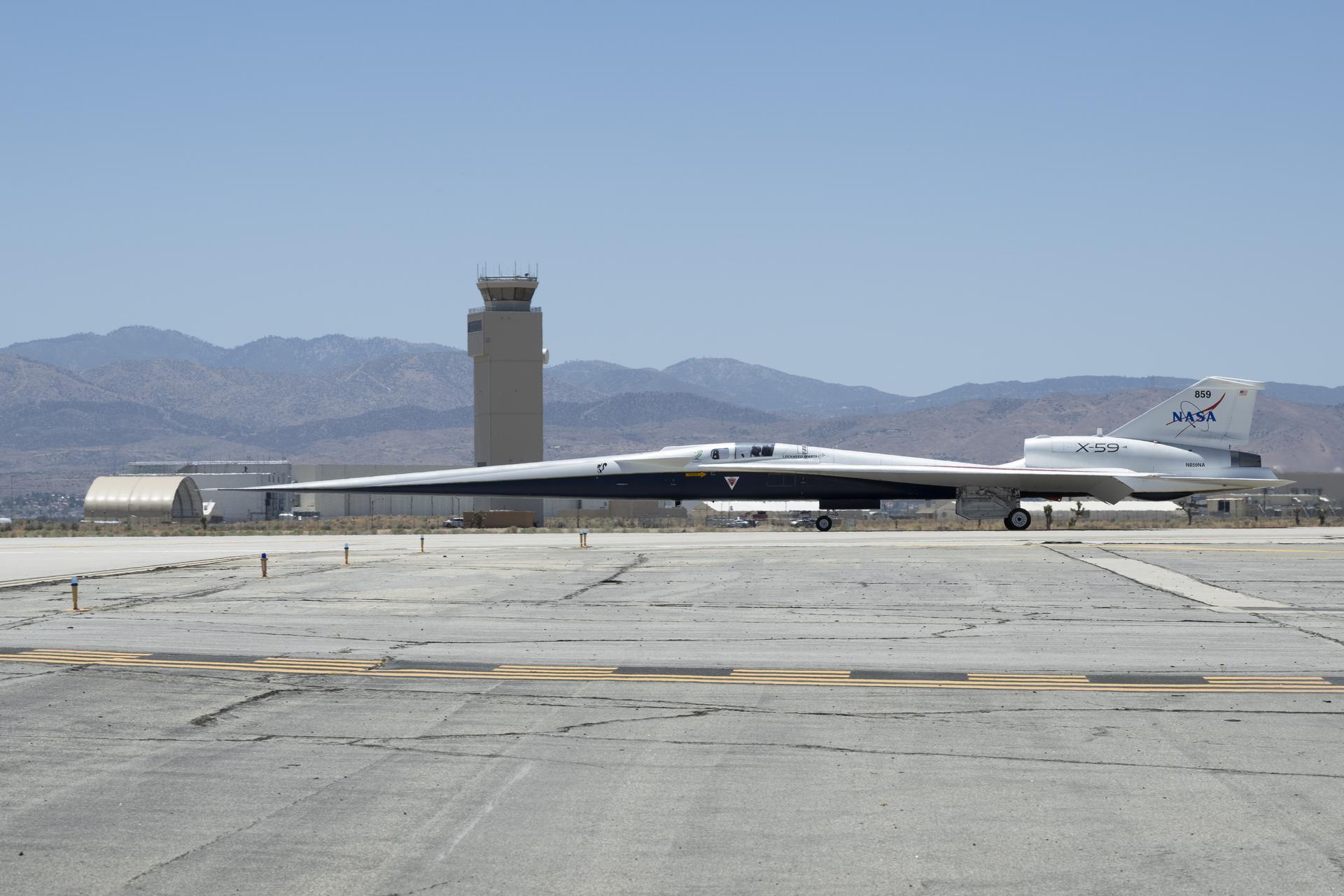
On July 10, 2025, the X-59 took its first steps toward revolutionizing air travel. The event took place at the U.S. Air Force Plant 42 in Palmdale, California, where NASA test pilot Nils Larson, along with a team composed of NASA experts and Lockheed Martin contractors, successfully conducted the initial low-speed taxi test. This marks a critical stage in the aircraft’s development as it undergoes a series of ground evaluations before its upcoming first flight.
Gradual Increase in Speed
The initial low-speed taxi test is just the beginning of a series of assessments the X-59 will undergo. Over the next few weeks, the aircraft’s speed will incrementally increase, culminating in a high-speed taxi test. This progression will bring the aircraft to just below the threshold of takeoff speed, ensuring every component functions flawlessly before it takes to the skies.
Ensuring Stability and Control
During these low-speed tests, engineers and flight crews meticulously observed the X-59’s behavior as it navigated the runway. The primary focus was on validating essential systems such as steering and braking. These systems are crucial for the aircraft’s stability and control in various conditions. By confirming the functionality of these systems, pilots and engineers gain confidence in the aircraft’s performance, ensuring it meets the rigorous standards required for supersonic travel.
The Quesst Mission: Redefining Supersonic Flight
The X-59 is at the heart of NASA’s Quesst mission, an initiative designed to demonstrate quiet supersonic flight. Traditional supersonic aircraft generate loud sonic booms, which have been a significant barrier to supersonic travel over land due to noise regulations. The X-59, however, aims to transform this by reducing the deafening boom to a gentle “thump.” This innovative approach not only promises to make supersonic travel over land feasible but also aims to redefine acceptable noise levels for future supersonic commercial flights.
Implications for Global Aviation Regulations
The data collected from the X-59’s tests will be invaluable. NASA plans to share this information with both U.S. and international aviation authorities. The aim is to use this data to inform and establish new, data-driven noise regulations that accommodate supersonic travel. Such regulations could potentially unlock new possibilities for commercial air travel, allowing faster journeys across continents while maintaining environmental and community considerations.
Technical Innovations and Challenges
The X-59 is not just a marvel of modern engineering; it also addresses several technical challenges inherent in supersonic flight. One of the primary innovations is its shape and design, which are specifically engineered to minimize sonic booms. Traditional supersonic aircraft have struggled with the loud noises they create when breaking the sound barrier, but the X-59’s design aims to alleviate this issue significantly.
Additionally, the aircraft is equipped with cutting-edge technology to ensure its systems function optimally under various conditions. The taxi tests are essential to validate these technologies, including advanced avionics and control systems that ensure precise handling and performance.
The Road Ahead
As the X-59 progresses through its testing phase, the anticipation for its first flight grows. The success of the taxi tests is a promising indicator of what lies ahead. Once airborne, the X-59 will continue to gather crucial data, pushing the boundaries of what’s possible in supersonic travel.
The potential implications of the X-59’s success are vast. If the aircraft meets its objectives, it could herald a new era of aviation where supersonic travel is not only faster but also environmentally responsible and community-friendly. This shift could revolutionize global travel, making long-distance journeys quicker and more accessible.
Industry Reactions
The aviation industry has shown keen interest in the X-59’s developments. Experts and stakeholders are closely monitoring the aircraft’s progress, eager to see how its innovations might influence future aircraft designs. The prospect of quiet supersonic travel opens up a plethora of opportunities for commercial airlines, potentially leading to a new class of supersonic passenger jets.
Environmental advocates also have a vested interest in the X-59’s mission. By reducing sonic booms and adhering to strict noise regulations, the aircraft aligns with broader goals of sustainable aviation. The X-59 could set a precedent for future supersonic aircraft, ensuring they meet environmental standards without compromising performance or speed.
Conclusion
NASA’s X-59 quiet supersonic research aircraft represents a monumental step forward in aviation technology. As it embarks on its taxi tests and moves closer to its inaugural flight, the world watches with anticipation. The X-59’s success holds the potential to transform the landscape of supersonic travel, making it a viable and sustainable option for the future.
For more information on NASA’s Quesst mission and the X-59, you can visit their official website at [NASA Quesst Mission](https://www.nasa.gov/quesst).
For more Information, Refer to this article.