












![[Photo] Inside Samsung OLED FC: Elite Gamers Compete Live on Advanced OLED Displays at Samsung KX](https://www.hawkdive.com/media/samsung-tvs-and-displays-s90f-tvs-odyssey-oled-g6-samsung-oled-fc_thumb932f-218x150.jpg "Elite gamers battle on advanced OLED displays at Samsung KX.")

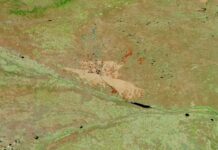







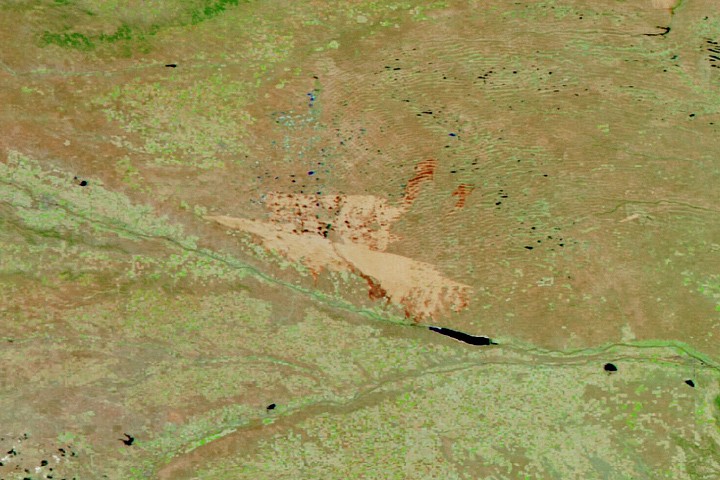
A devastating wildfire broke out in Morrill County, Nebraska on March 12, 2026, quickly spreading across the prairie due to high winds. Within just 12 hours, the flames had traveled approximately 70 miles east-southeast, engulfing over 640,000 acres within a week. This incident marked the largest wildfire in the history of the state, leaving a trail of destruction in its wake.
By March 29, the Morrill fire was reported to be fully contained, with authorities working on controlling two smaller fires – the Ashby and Minor fires – that had ignited on March 26 in the northeast. Satellite images captured the extent of the burned areas near the North Platte River, showcasing the impact of the wildfires. The false-color images from before and after the fires highlighted the devastation caused by the inferno.
The outbreak of wildfires in the U.S. in 2026 has been alarming, with the National Interagency Fire Center (NIFC) revealing that 15,436 fires had already burned 1,510,973 acres nationwide by March 27. This figure far exceeded the 10-year average for the same period, indicating a concerning trend in wildfire activity across the country.
The Great Plains region, including Nebraska, has been particularly vulnerable to wildfires in 2026. Dry fuels, warmer-than-average conditions, and reduced precipitation levels created ideal conditions for the rapid spread of fires. The low soil moisture and dry grasslands served as fuel for the flames, contributing to the unprecedented scale of the wildfires in the area.
The impact of the fires in western Nebraska has been significant, affecting ranch and pasture lands, destroying homes, barns, and fences, and causing harm to livestock. The Crescent Lake National Wildlife Refuge in the Nebraska Sandhills, a critical habitat for migratory birds, also suffered extensive damage. Despite the devastation, reports indicate that the annual sandhill crane migration through the Platte River valley remains robust, showcasing nature’s resilience in the face of adversity.
As the region grapples with the aftermath of the wildfires, efforts are underway to assess the environmental and ecological impact of the blazes. The restoration of ecosystems and habitats affected by the fires will be a crucial focus in the coming months. Additionally, the need for improved wildfire prevention and management strategies has been highlighted by the unprecedented scale of the wildfires in 2026.
In conclusion, the wildfires in Nebraska serve as a stark reminder of the growing threat of wildfires in the U.S. and the urgent need for proactive measures to mitigate their impact. The resilience of nature, as seen in the ongoing sandhill crane migration, offers hope for the recovery and restoration of the affected areas. By prioritizing sustainable land management practices and community resilience, we can work towards a future where wildfires are less devastating and destructive.
For more Information, Refer to this article.