





















Addressing Cancer Care Challenges in Niger: A New Era of Radiotherapy
The healthcare landscape in Niger is grappling with a significant challenge: the rising incidence of cancer. In 2022 alone, the country reported over 11,000 new cancer cases, accompanied by more than 8,800 cancer-related deaths. These alarming statistics underscore the urgent need for effective cancer treatment options within the nation. Radiotherapy, a crucial component in the treatment of nearly half of all cancer cases, faces a severe shortage in Niger. Even those who can afford this vital service are often hindered by outdated equipment, leading to suboptimal care outcomes.
IAEA’s Rays of Hope Initiative: A Beacon for Cancer Care in Niger
In an ambitious effort to combat this pressing healthcare issue, the International Atomic Energy Agency (IAEA) has stepped forward with its “Rays of Hope” initiative. This program is dedicated to strengthening radiotherapy services in Niger, with the primary goal of expanding access to cancer care where it is most critically needed. The initiative is a testament to the IAEA’s commitment to improving healthcare infrastructure in countries grappling with cancer treatment challenges.
State-of-the-Art Cancer Treatment Facility
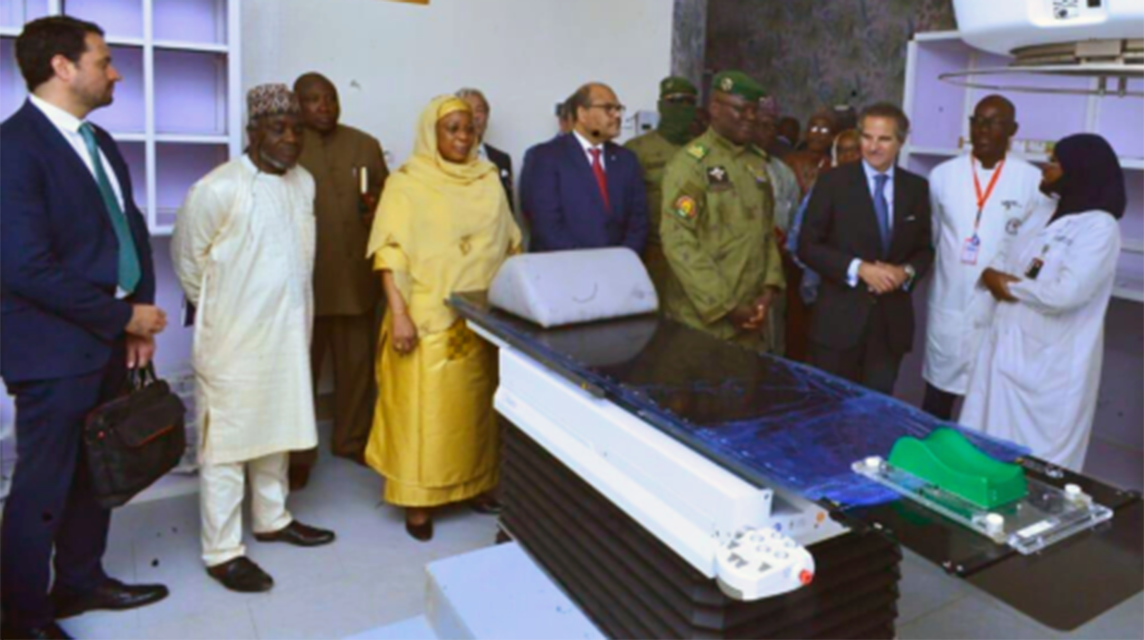
Under the auspices of the Rays of Hope initiative, the IAEA has played a pivotal role in supporting Niger to establish a new cancer treatment facility. This facility is equipped with cutting-edge technology, including a medical linear accelerator (LINAC), a computed tomography-simulator (CT-simulator), an advanced treatment planning system, and essential dosimetry equipment along with related accessories. The introduction of these advanced tools is poised to revolutionize radiotherapy services in Niger, offering a glimmer of hope to thousands of cancer patients.
Enhanced Treatment Capabilities and Localized Care
The new equipment will substantially enhance the capabilities of Niger’s only public radiotherapy center, which currently serves a staggering population of 24 million people. With these advanced technologies, medical professionals in Niger can now treat tumors with greater precision, ensuring that healthy tissues and critical organs are spared from unnecessary damage. This is a significant advancement, as it means that more Nigerien cancer patients can receive high-quality care within their own country, reducing the need for costly and often stressful medical evacuations abroad.
Economic and Health Benefits
Abdourahamane Tchiani, the President of Niger, expressed his optimism for this transformative development. “The presence of this machinery in our country will significantly enhance the quality of life for the people of Niger, as it will lead to a considerable decrease in treatment costs and medical evacuations,” he remarked. This sentiment reflects the profound economic and health benefits that the new facility is expected to bring to the nation. By reducing the financial burden associated with cancer treatment and minimizing the need for overseas medical travel, the facility will contribute to an improved quality of life for countless individuals and families in Niger.
A Broader Context: Understanding Radiotherapy
For those unfamiliar with the technical aspects of cancer treatment, radiotherapy is a medical procedure that uses high-energy radiation to target and destroy cancer cells. It is a cornerstone of modern cancer care, often used in conjunction with other treatments such as surgery and chemotherapy. The medical linear accelerator (LINAC) is a crucial piece of equipment in radiotherapy, as it generates the precise radiation beams needed to treat cancerous cells while minimizing exposure to surrounding healthy tissues.
Why This Matters: The Global Fight Against Cancer
The challenges faced by Niger are not unique. Across the globe, many developing nations struggle with inadequate cancer treatment infrastructure, resulting in limited access to essential care. Initiatives like the IAEA’s Rays of Hope are critical in addressing these disparities, ensuring that all individuals, regardless of their geographic location, have access to life-saving cancer treatment.
Supporting Technological Advancements in Healthcare
The establishment of a state-of-the-art cancer treatment facility in Niger is a testament to the power of international collaboration in advancing healthcare technology. It underscores the importance of partnerships between global organizations and local governments in addressing pressing health challenges. As more countries embrace technological advancements in healthcare, the hope is that the global burden of cancer will be reduced, paving the way for a healthier future for all.
Conclusion: A Step Forward for Niger
In conclusion, the introduction of advanced radiotherapy equipment in Niger marks a significant milestone in the nation’s battle against cancer. The support from the IAEA through the Rays of Hope initiative exemplifies the potential for positive change when international entities unite to address healthcare challenges. As Niger continues to build its capacity to treat cancer, this development serves as a beacon of hope, promising improved healthcare outcomes and a brighter future for its citizens.
For more detailed information on the Rays of Hope initiative and the IAEA’s efforts, you can visit the official [IAEA website](https://www.iaea.org/services/key-programmes/rays-of-hope).
For more Information, Refer to this article.