





















NASA, in collaboration with Northrop Grumman and SpaceX, is gearing up for a significant mission aimed at resupplying the International Space Station (ISS). The launch, tentatively scheduled for 6:11 p.m. Eastern Daylight Time on Sunday, September 14th, marks the 23rd mission under NASA’s Northrop Grumman Commercial Resupply Services (CRS-23) initiative. This mission is a critical part of the ongoing efforts to support and advance the research and operations aboard the ISS.
Mission Overview
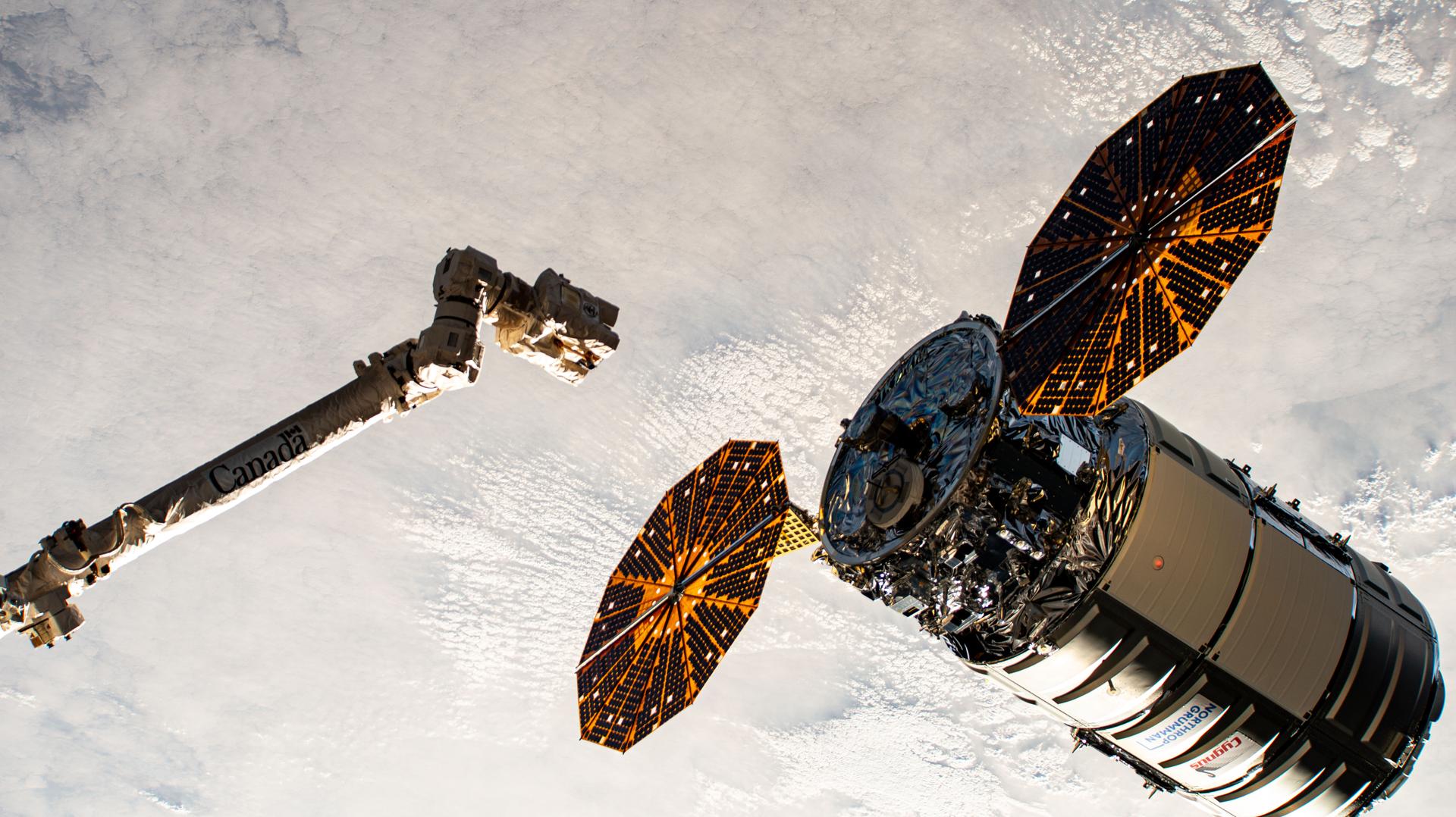
The CRS-23 mission will see the Northrop Grumman Cygnus XL spacecraft, laden with over 11,000 pounds of scientific investigations, supplies, and equipment, make its journey to the ISS. This spacecraft will be launched into space aboard a SpaceX Falcon 9 rocket from Space Launch Complex 40 at Cape Canaveral Space Force Station in Florida. Notably, this mission marks the inaugural flight of the Cygnus XL, a larger and more capable version of Northrop Grumman’s solar-powered spacecraft.
Cygnus XL: A New Era in Spacecraft
The Cygnus XL is an upgraded version of the Cygnus spacecraft, designed to carry more cargo than its predecessors. This enhancement allows for the delivery of a greater quantity and diversity of scientific equipment and supplies essential for the ISS’s continued operation and research endeavors. The spacecraft’s capabilities will be a boon for ongoing experiments and technological advancements conducted in the microgravity environment of space.
Scientific and Technological Contributions
Upon its arrival, the Cygnus XL will be docked to the ISS’s Unity module using the station’s robotic arm, Canadarm2. This maneuver is scheduled for Wednesday, September 17th. The payload includes materials pivotal for the production of semiconductor crystals in space, which could lead to advancements in electronics. There’s also equipment aimed at improving cryogenic fuel tanks, crucial for long-duration space missions.
Additionally, the spacecraft will deliver a UV light system designed to inhibit the growth of microbial communities in water systems—a critical technology for maintaining the health and safety of astronauts. Another highlight is the supplies needed to produce pharmaceutical crystals, which have the potential to revolutionize treatment options for cancer and other diseases.
Honoring a Legacy
The Cygnus XL spacecraft has been named the S.S. William “Willie” McCool, in tribute to NASA astronaut Willie McCool, who tragically lost his life in the 2003 space shuttle Columbia accident. This gesture not only honors his memory but also underscores the spirit of exploration and discovery that drives NASA’s missions.
Media and Public Engagement
NASA will provide comprehensive coverage of the mission, with live streaming and updates available on various platforms, including NASA’s website and YouTube channel. The public can also engage with the mission through social media platforms such as X (formerly Twitter), Facebook, and Instagram. These platforms offer a unique opportunity for space enthusiasts to follow the mission’s progress and connect with the broader space exploration community.
For those interested in a more immersive experience, NASA offers a virtual guest program that allows the public to attend the launch virtually. This program includes curated resources, notifications about mission-related opportunities, and a digital stamp for participants’ NASA virtual guest passports.
Expert Insights and Discussions
Leading up to the launch, NASA has organized several events to provide deeper insights into the mission’s scientific and technological significance. One such event is the International Space Station National Laboratory Science Webinar, scheduled for Wednesday, September 10th. This webinar will feature discussions from experts like Dr. Liz Warren, Associate Chief Scientist at NASA’s International Space Station Program Research Office, and other distinguished scientists and industry leaders.
Furthermore, a prelaunch media teleconference is set for Friday, September 12th, featuring participants such as Dina Contella, Deputy Manager of NASA’s International Space Station Program, and Ryan Tintner, Vice President of Civil Space Systems at Northrop Grumman. These events are open to the media and will provide valuable insights into the mission’s objectives and expected outcomes.
Broader Implications and Future Prospects
The CRS-23 mission represents a critical step in advancing human presence and capabilities in space. The delivery of scientific equipment and supplies will enable groundbreaking research that could have far-reaching implications for life on Earth and future space exploration endeavors.
For instance, the work on semiconductor crystals and pharmaceutical developments could lead to technological breakthroughs and new medical treatments. Meanwhile, advancements in cryogenic fuel tank technology are essential for long-term missions to the Moon, Mars, and beyond.
Conclusion
As the countdown to the CRS-23 mission continues, the collaboration between NASA, Northrop Grumman, and SpaceX highlights the importance of partnerships in pushing the boundaries of space exploration. This mission not only supports the ongoing operations of the ISS but also paves the way for future innovations that will further humanity’s understanding of the cosmos.
For more information about the mission and to stay updated on its progress, visit the official NASA mission page here. This mission, like many before it, serves as a testament to human ingenuity and the relentless pursuit of knowledge, as we continue to explore the final frontier.
For more Information, Refer to this article.